News Analysis
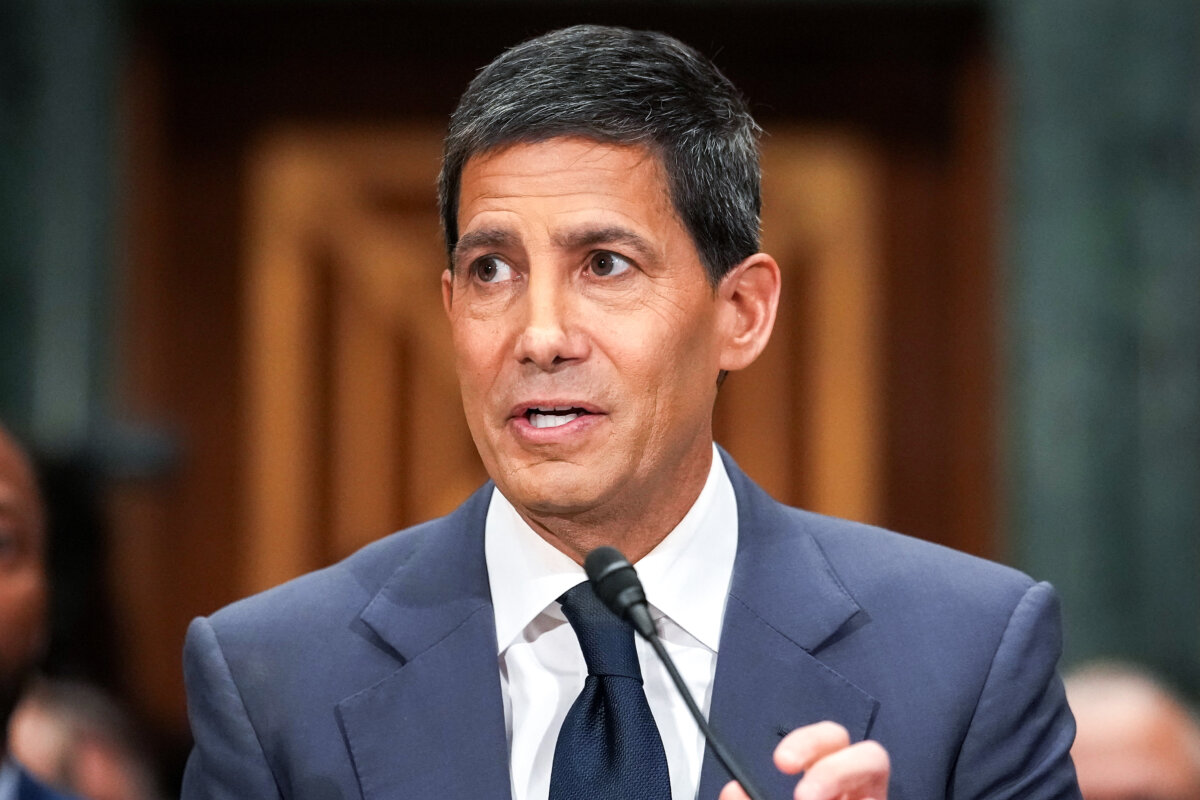
If confirmed in a full Senate vote, incoming Federal Reserve chair Kevin Warsh will likely be met with inflation threats, the Iran war, and political pressure. His first policy meeting as chair would be held in June.
GDP, Inflation, and Jobs
Outgoing chair Jerome Powell told reporters on April 29 that the U.S. economy is “quite resilient.”
In the first quarter, economic growth came in at 2 percent, a rebound from the anemic shutdown-driven 0.5 percent expansion in the previous three-month span.
Using the Fed’s dashboard of metrics, Warsh sees the labor market at “full employment.” Hiring indicators have been mixed, but the economy has been in a low-fire mode for some time.
Applications for unemployment benefits plummeted to their lowest level since 1969, for example.
The good news has been offset by renewed business and consumer price pressures.
The inflation flame is at risk of being rekindled as the headline numbers—from the consumer price index to the Fed’s preferred personal consumption expenditures (PCE) price index—have surged since the start of the war in Iran, which is nearing its 10th week.
March’s annual PCE price index climbed to 3.5 percent from 2.8 percent in the previous month. Excluding the volatile energy and food categories, the 12-month core PCE rate jumped to 3.2 percent from February’s 3 percent.
Based on the Cleveland Fed’s Nowcasting model, the consumer price index is projected to rise in April and May, with the annual rate edging up to 3.6 percent and 3.9 percent, respectively.
Cutting rates at a time when the U.S. marketplace is still absorbing the administration’s tariffs and wrestling with higher energy costs could backfire, potentially leading to the same policy missteps from a few years ago.
“We are still dealing with the legacy of the policy errors in 2021 and 2022,” Warsh said in front of the Senate Banking Committee. “Once you let inflation take hold in the economy, it’s more expensive and harder to bring it down.”
Trump in the Background
President Donald Trump has pressured the Fed to lower interest rates, a move that could give the broader economy a modest boost and lower the federal government’s debt-servicing payments.
Even in his first term, Trump had regularly urged Fed Chair Jerome Powell to cut interest rates as he raised the benchmark federal funds rate four times in 2018.
Warnings that Fed independence could be weakened under Trump’s nominee have been widespread among Democrats. Sen. Elizabeth Warren (D‑Mass.) even called him the president’s “sock puppet,” an assertion that Warsh has consistently pushed back on.
“I take my responsibility to be an independent leader of the Federal Reserve very seriously, if confirmed by this body. I take the integrity of the office and my personal integrity very seriously,” he told members of the upper chamber.
But Trump has indicated that he would be disappointed if Warsh did not start reducing rates.
“We should have the lowest interest rate in the world,” the president said on CNBC’s “Squawk Box” on April 21.
In the past, Warsh has expressed sympathy for the White House’s position, arguing that the disinflationary forces arising from artificial intelligence (AI), robotics, and other technological advancements would support a low-rate environment.
“AI is going to make almost everything cost less,” Warsh told CNBC this past summer.
“We’re in the early innings of a structural decline in prices.”
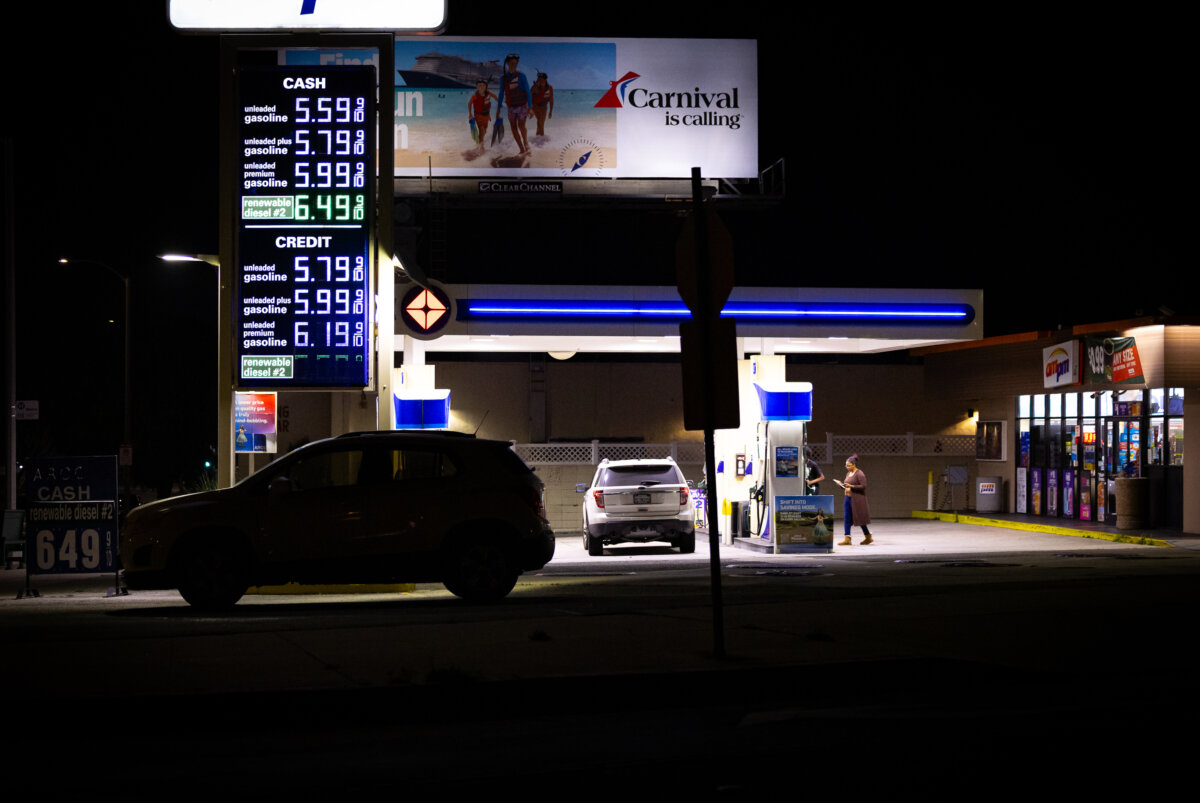
While this may be true in the future, near-term inflation risks have been ubiquitous in the data, stemming from the Iranian conflict’s energy price shock, which has driven oil to more than $100 per barrel and gasoline to more than $4 per gallon.
Convincing 11 People
With 11 other voting members, it could be harder to loosen policy and cut interest rates, especially as he is taking the reins amid policy divergence unseen in decades.
The April Federal Open Market Committee concluded with an 8–4 vote for the first time since 1992.
Fed board member Stephen Miran pushed again for a quarter-point rate cut. Cleveland Fed President Beth Hammack, Minneapolis Fed President Neel Kashkari, and Dallas Fed President Lorie Logan agreed to keep the policy rate unchanged but opposed maintaining an easing bias in the statement.
Still, the wide array of views is what Warsh wants, telling the Senate Banking Committee during his confirmation hearing that a “messier” and “good family fight” leads to better policy outcomes.
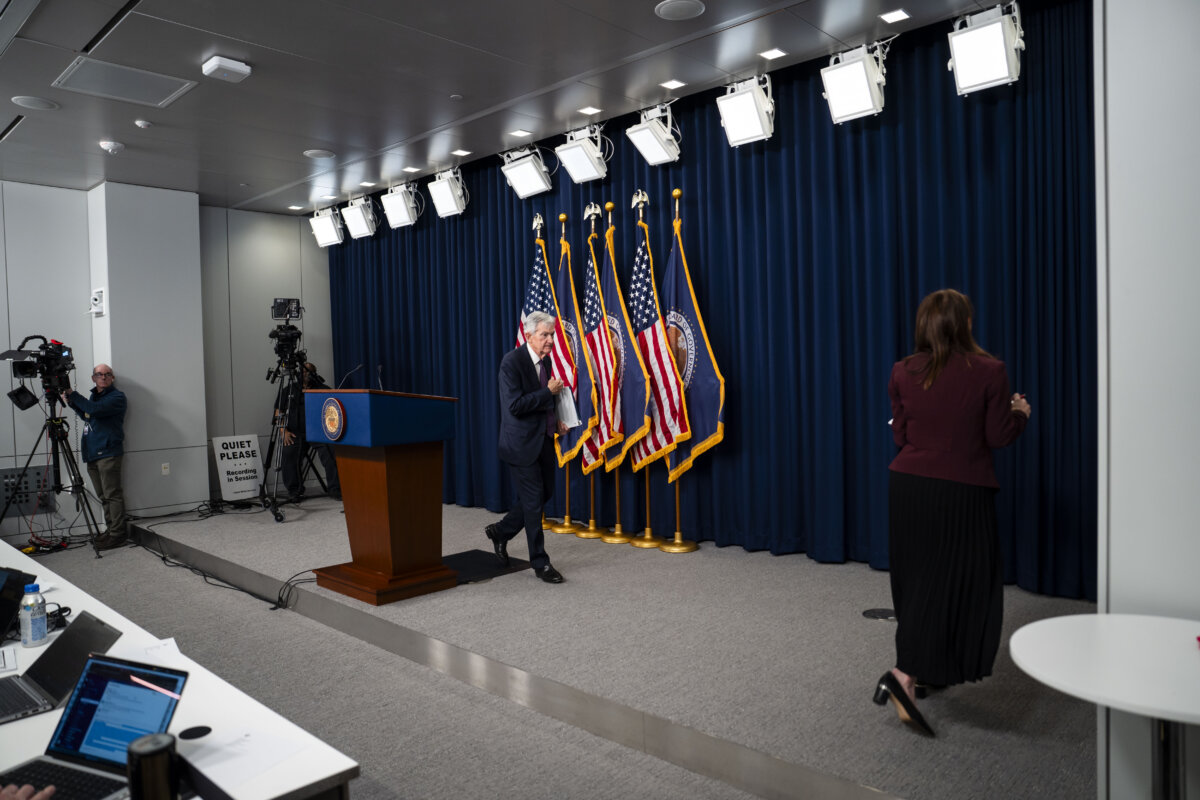
As he heads the 113-year-old institution and implements his reform agenda, there could be one guest at the table who could capture the attention: outgoing chair Jerome Powell.
Powell confirmed this week that he will stay in his seat on the Fed board for a little longer, until he is confident the investigation into his handling of the Fed’s renovations is over.
The decision was not welcomed by the administration.
Trump said on Truth Social that “Powell wants to stay at the Fed because he can’t get a job anywhere else.”
In an April 29 interview with Fox Business, Treasury Secretary Scott Bessent called the move “highly unusual,” saying that it violates “all Federal Reserve norms” and insults Warsh and Fed board members Michelle Bowman and Christopher Waller.
National Economic Council Director Kevin Hassett told Bloomberg Television that he is “disappointed,” urging Powell to “move on.”
Powell said during his post-meeting press conference that “his intention is not to interfere” but rather to facilitate a “very normal, standard kind of a transition process.” He also dismissed the suggestion of being a “shadow chair” lurking in the background.
“I’m going back to being a governor. I respect the role of chair,” he said. “I have real sympathy for how hard it is to get that group to a consensus. And I always felt like, I don’t want to add to that unnecessarily.”
Since the 1950s, Fed chairs have traditionally resigned from the Fed board upon leaving the top job.
 Friends Read Free
Copy
Facebook
Tweet
Friends Read Free
Copy
Facebook
Tweet