David Belasco (1853–1931) lay deathly ill in the house of a clown. He was no more than 10 years old, and he, too, was a clown. His life had taken an adventurously humorous and now deadly turn. He had run away from school in Victoria, British Columbia, to join a traveling circus. There, he learned to ride horses bareback and was taught the tenets of being a modern jester; the objective above all things was to ensure people were entertained. But as fever wracked his young body, it appeared his days of entertaining crowds would be over almost before they had begun.
A Director Is Born
David Belasco was born on July 25, 1853, in San Francisco, to Humphrey and Reina Belasco, who had both immigrated from London to America during the Gold Rush. Humphrey earned a modest living as a shopkeeper. When the family moved to British Columbia around 1858, young Belasco was sent to the town of Colonial for his education. The school was run by a brutish Irishman, and Belasco’s parents soon transferred him to the Anglican Collegiate School.
According to Belasco’s biographer William Winter, 7-year-old Belasco’s brimming intelligence came to the attention of an 86-year-old priest who convinced the Belascos to send their son to study at the local monastery. Despite being a devout Jewish family, they consented.
Belasco remained under the priest’s tutelage, but, as Winter suggested, due to his “gypsy temperament and a roving propensity, he became discontented with seclusion, and suddenly, without special cause and without explanation, he fled from the monastery and joined a wandering circus.”
His wanted adventure and he wanted to entertain. It took a debilitating fever to slow down the young. The elderly clown who cared for Belasco caught the fever and succumbed to it just as the boy was starting to recuperate. Thankfully, Humphrey had traced his son’s location and brought him back home.
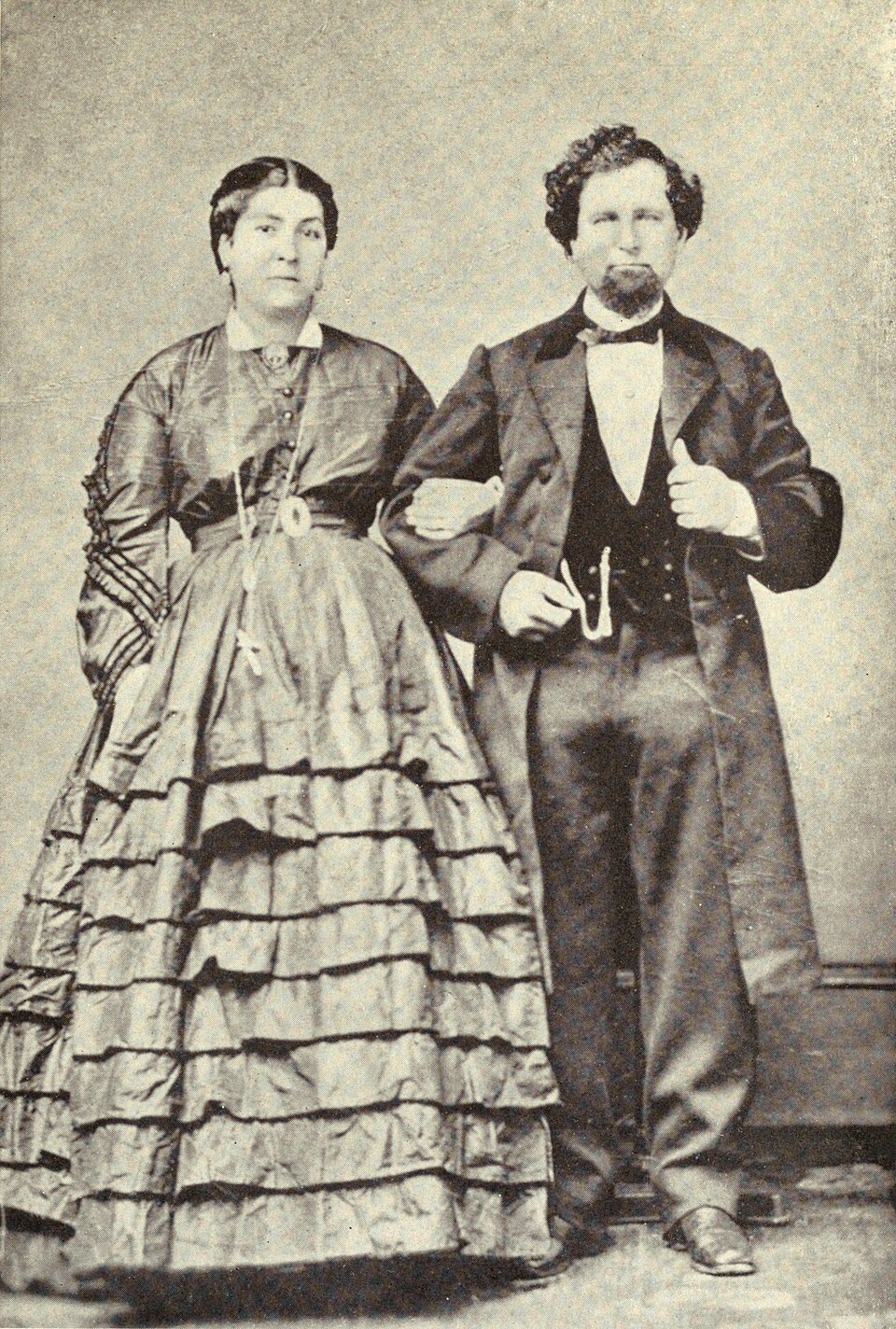 Reina and Humphrey Belasco, parents of David Belasco, before 1900. (Public Domain)
Getting His Start
He was no longer in the circus, but David Belasco was committed to being an entertainer. In 1864, he made his theatrical debut as the Duke of York in William Shakespeare’s “King Richard III.” Many of his early theatrical appearances took place in San Francisco. He was awarded a gold medal from the Lincoln Grammar School for his performance of Matthew Gregory Lewis’s poem “The Maniac.”
Thanks to his acting and successful stage management, Belasco soon became a familiar face in San Francisco for his acting and as a successful stage manager. Shortly after graduating from Lincoln, he toured with a theater troupe along the West Coast. He married Cecilia Loverich in 1873, they had two daughters, and remained married until her death in 1925.
Along with acting, he became a stage manager for San Francisco theaters, such as the exquisite Baldwin, a local hotel and theater. He also began writing and directing plays in the early 1880s. This was during a time that the theatrical industry internationally was moving from melodramatic works toward realism. Belasco’s plays, however, leaned toward melodrama. He did, however, adopt realism for his production sets. His efforts became more and more elaborate over time as his control over his productions increased.
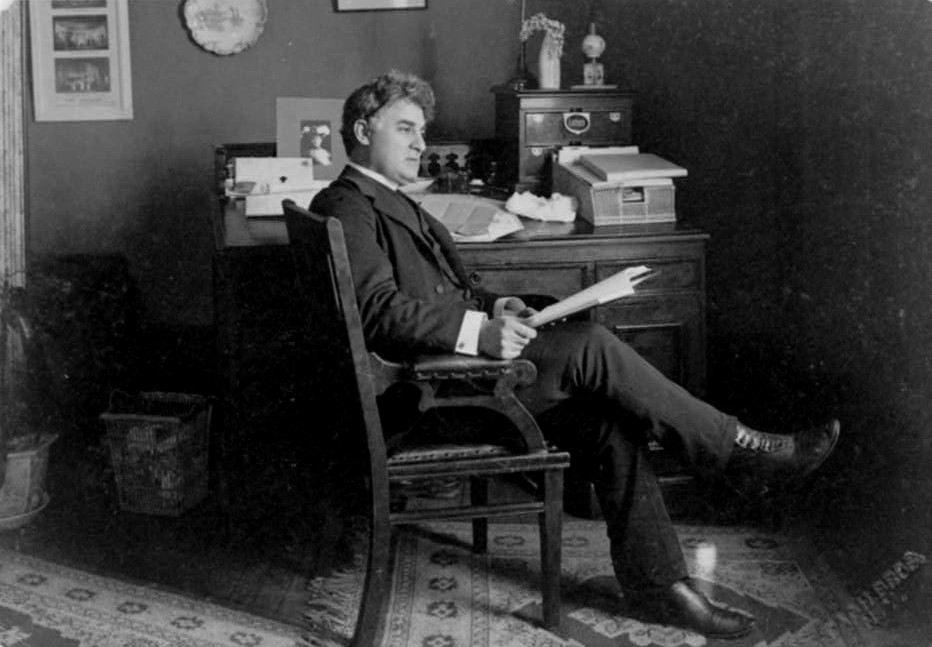
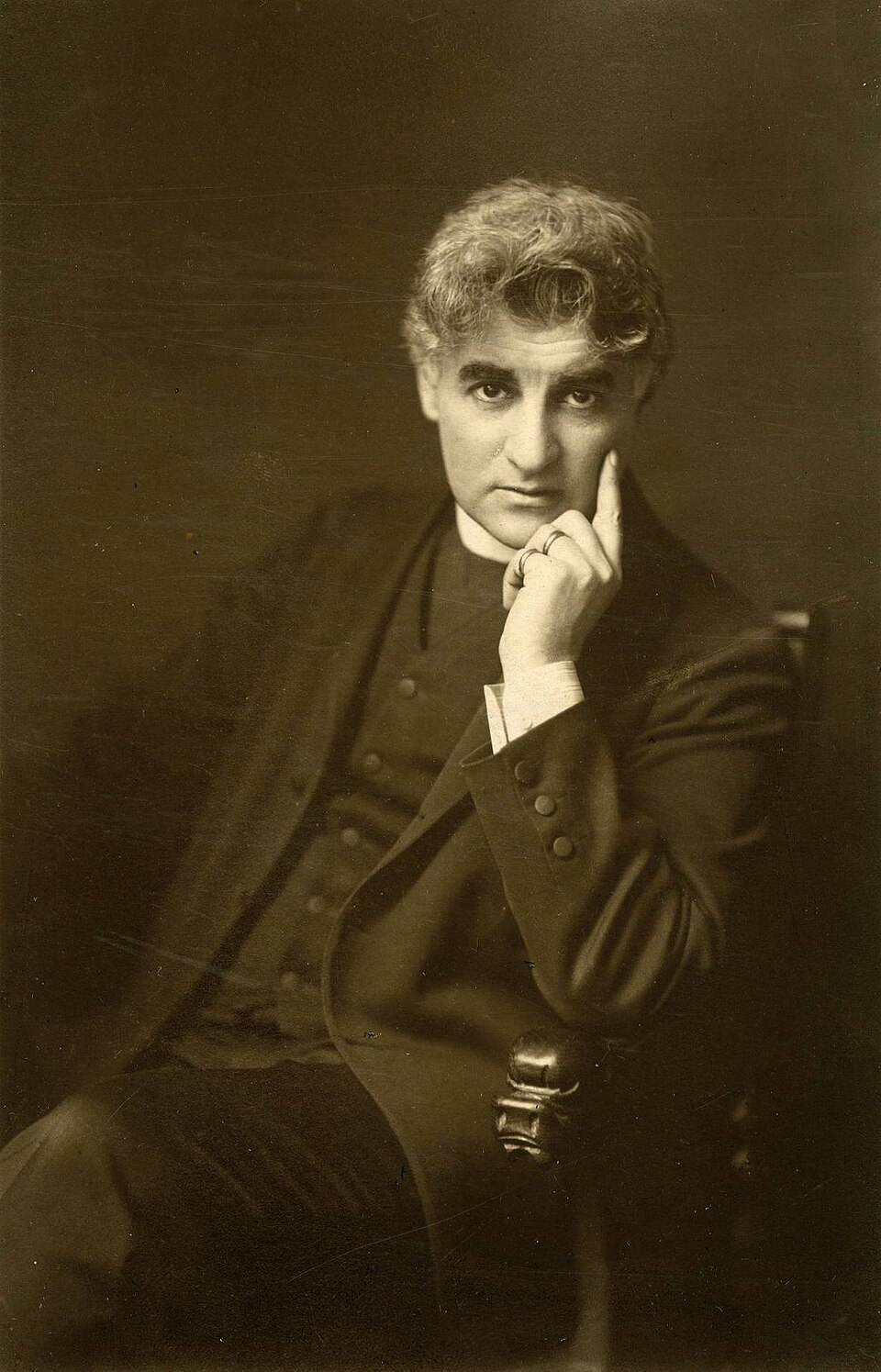 David Belasco in 1909. (Public Domain)
Hitting His Stride
His success in California had spread far and wide, and he soon moved to New York City where he was hired by George and Marshall Mallory, the owners of Madison Square Theatre. The Mallory brothers wanted to produce American-made plays, as well as produce works that would “elevate the moral tone of the American stage.”
That working relationship lasted a few years, but Belasco, seeking more creative freedom, left in 1885. He joined the efforts of some of New York’s industry leaders, like Steele MacKaye, who had actually worked for the Mallorys and had built an innovative double-stage that decreased the transitioning time between acts.
He also worked for renowned theatre producer, Daniel Frohman, at both the Madison Square Theatre and later at the Lyceum Theatre. During this time, he collaborated with Cecil B. DeMille, who became one of the giants of the early Hollywood film industry.
Belasco began hitting his stride during the late 1880s and early 1890s as a writer, director, and producer. By 1890, he branched out independently. His works created opportunities for some of the era’s best performers to become established. Leslie Carter, the fiery redheaded divorcée reached stardom under his direction. His first major hit, an 1895 Civil War drama entitled “The Heart of Maryland,” was written with Carter in mind. His next production, “Zaza,” was another success.
Arguably his most well-known production was “Madame Butterfly,” which established another actress, Blanche Bates. The play was based on the short story written by John Luther Long, who adapted it for Belasco’s stage production in 1900. That summer, the play’s London production was seen by one of the great Italian composers, Giacomo Puccini. He was so moved by the production that he supposedly “went backstage and begged for the rights.” Belasco consented, and it became one of Puccini’s most popular operas.
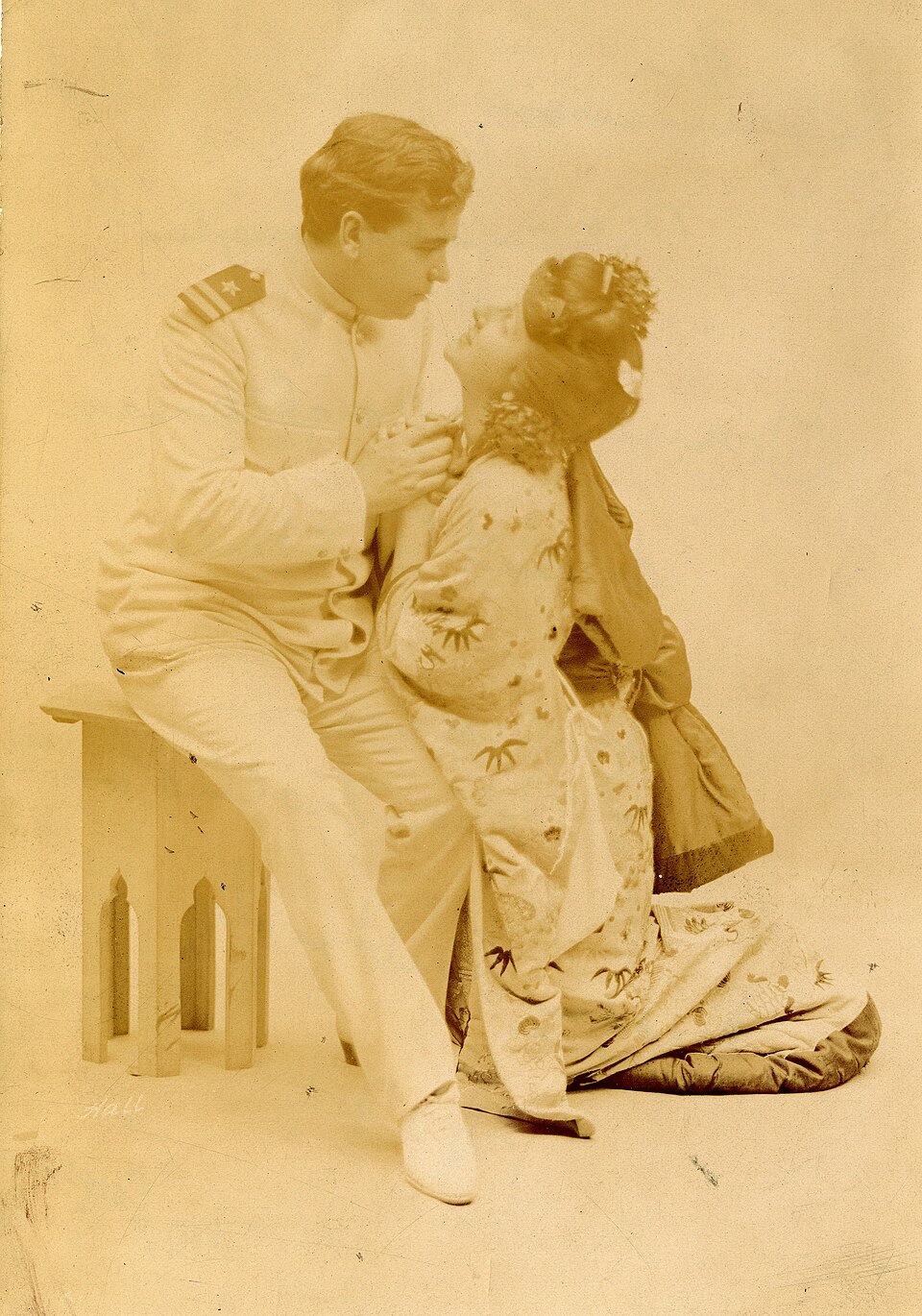 A scene from “Madame Butterfly,” which opened Feb. 28, 1907, at the Grand Opera House in Seattle. (Public Domain)
Leaving a Visual Legacy
The following year, he began a working relationship with David Warfield, whose acting career would soar under Belasco’s guidance. In 1902, Belasco opened the first of his Belasco Theatres. The theater location, owned by Oscar Hammerstein, had initially been opened as the Republic in 1900. Between 1902 and 1907, Belasco wrote, directed and produced “The Music Master,” “Adrea,” and the very successful “The Girl of the Golden West,” which Belasco later turned into a novel and Puccini turned into an opera. In 1938, it was made into a movie.
During this period, Belasco and many other produces were under the thumb of Marc Klaw and Abe Erlanger. With others, including Frohman, Klaw and Erlanger had organized a group called the Theatrical Syndicate. It dominated the nation’s bookings for 16 years. Belasco was one of the main players who pushed back against the Syndicate. His 1904 lawsuit was a success and was able to loosen, at least to some degree, the Syndicate’s stranglehold.
In 1907, Belasco and Warfield collaborated to open the Stuyvesant Theatre. It was renamed the Belasco Theatre in 1910, and is still in operation. Many actors and stagehands have reported seeing Belasco’s ghost.
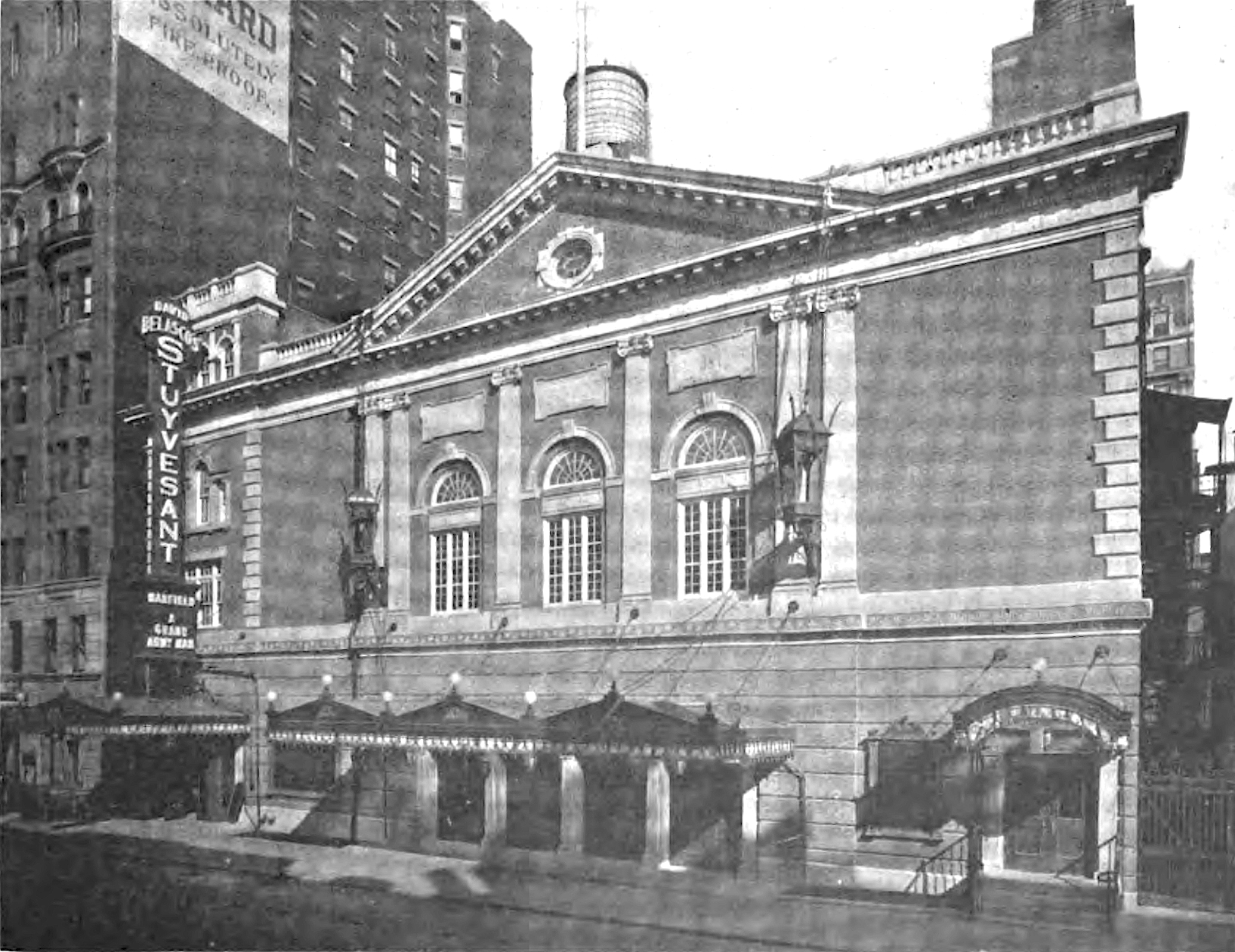 The Belasco Theatre in 1907. (Public Domain)
Along with his gift for directing and an eye for talent, the most important aspect of his work was his scenic and lighting design. His efforts at realism impressed audiences and critics alike, and forever changed stage design. He was known to purchase furniture, drapes, and create realistic backdrops. Arguably most impressive was Belasco’s innovative use of lighting, which produced movable spotlights as well as diffused and filtered lighting. Working in collaboration with his lighting engineer Louis Hartmann, he created the baby spotlight, which reduced the harsh glow of the footlights. The lighting and visual sets led to his nickname “The Wizard.”
Over the course of his career, he either wrote, directed, or produced more than 100 Broadway plays. His onstage success turned into film success, as more than 40 of his stage productions were made into films. When Belasco died on May 14, 1931, President Herbert Hoover issued a statement the following day:
“From his boyhood in San Francisco David Belasco brought to his national career an adventurous quality of imagination and a freedom from precedent that helped him to pioneer those new paths in the world of the theatre which were so distinctly his contribution to the art of the theatre. His vivid personality will be deeply missed by the whole country.”
What arts and culture topics would you like us to cover? Please email ideas or feedback to features@epochtimes.nyc