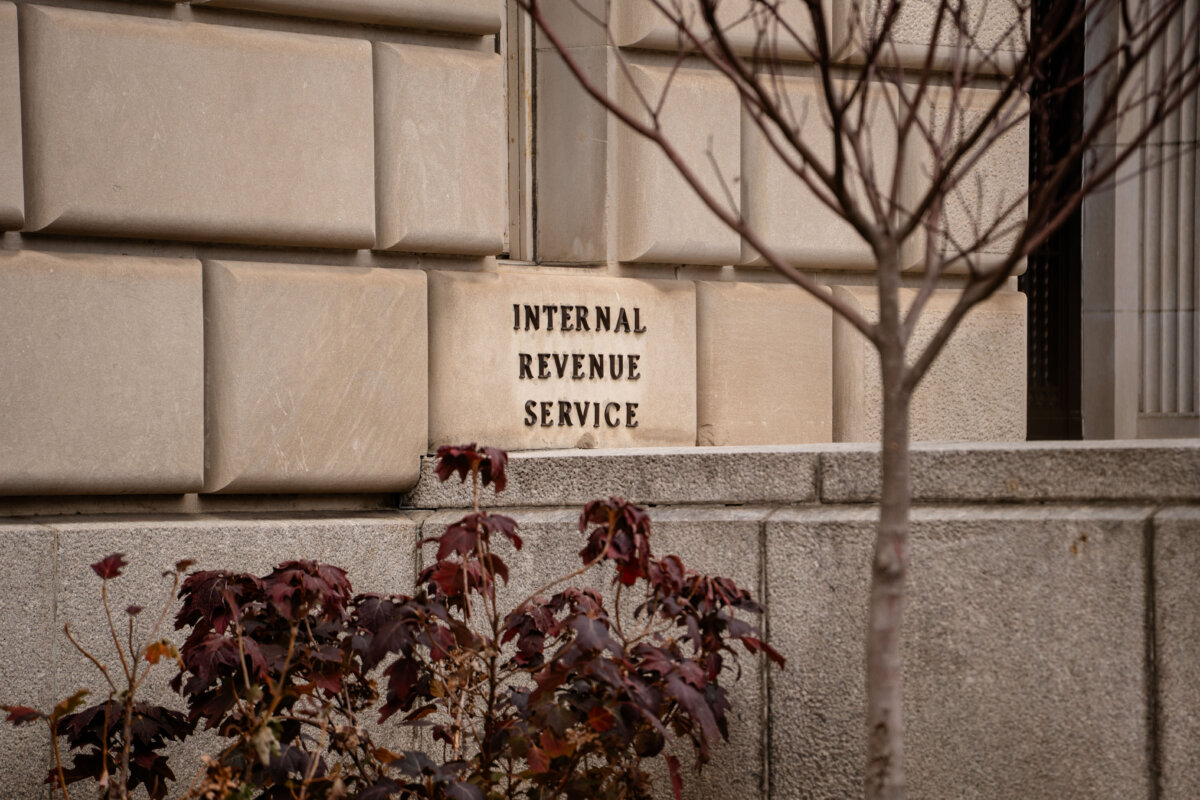

The Internal Revenue Service (IRS) enhanced its Tax Withholding Estimator tool to include updates to new credits and deductions made under the One Big Beautiful Bill, the agency said in a March 12 statement.
The Tax Withholding Estimator is a free tool for workers and retirees to estimate the federal income tax that must be withheld from their paychecks for the upcoming tax year.
The One Big Beautiful Bill, signed into law by President Donald Trump in July, introduced several provisions that expanded tax deductions for various taxpayers, including seniors, workers receiving tips or overtime pay, and individuals who pay interest on car loans.
For workers earning overtime pay, the bill provides an annual deduction of up to $12,500, while for employees receiving tips, the deduction limit is $25,000.
Seniors aged 65 and older can now claim an annual deduction of $6,000 on their taxes, which is over and above the standard deduction already available to them. Taxpayers who bought cars with loans may be eligible for an annual deduction of $10,000 for the interest paid.
These changes have now been incorporated into the IRS Tax Withholding Estimator to better reflect withholding amounts. The tool also incorporates other related changes tied to charitable giving, homeownership, and family-related credits.
“The estimator guides taxpayers step-by-step through entering income, withholding, credits, and deductions, and takes around 25 minutes on average (less for those with simpler financial situations),” the IRS said.
“By entering information about income, dependents, deductions, and multiple jobs, taxpayers receive a personalized recommendation on whether to adjust withholding. If changes are recommended, the tool helps taxpayers complete a new Form W-4, Employee’s Withholding Certificate, or Form W-4P, Withholding Certificate for Periodic Pension or Annuity Payments, to submit to their employer or pension provider.”
Besides taxpayers who directly benefit from the One Big Beautiful Bill, there will be others who find the tool beneficial, such as those have more than one job; experience a major life change recently, such as a marriage or childbirth; receive income without automatic tax withholding, when engaged in freelance or gig work, for example; and claim credits such as the Child and Dependent Care Credit or Adoption Credit, the agency said.
“Withholding that closely matches a taxpayer’s anticipated tax liability can help prevent unexpected tax bills and potential underpayment penalties. It can also help taxpayers avoid over-withholding and increase take-home pay throughout the year,” the IRS said.
“To get the most accurate results, taxpayers should gather recent pay statements and a copy of their latest federal income tax return before using the estimator.”
The 2026 filing season to submit tax year 2025 returns began on Jan. 26 and is scheduled to end on April 15, roughly a month from now. The White House has said it expects Americans to receive “significantly larger tax refunds” this season due to the One Big Beautiful Bill provisions.
According to the Tax Withholder Estimator webpage, taxpayers need to prepare the most recent pay stub for their job, pension, or annuity to use the tool.
If the individual has other sources of income or plans to itemize deductions, they must also keep on hand the most recent federal tax return, records of expenses in case they plan to itemize deductions or claim adjustments, and payment records for self-employment, gig work, and Social Security.
While provisions in the One Big Beautiful Bill provide benefits to taxpayers, the IRS has chosen not to update some of the related filing processes for the tax year 2025.
In August, the agency clarified there would be no changes to individual information returns or tax withholding tables for the 2025 tax year while the bill’s provisions are implemented in a phased manner.
Information returns documents, which businesses file with the IRS, report transactions such as wages paid to employees, while IRS withholding tables detail amounts needed to withhold from an employee’s paycheck for taxes, Social Security, and Medicare.
“These decisions are intended to avoid disruptions during the tax filing season and to give the IRS, business, and tax professionals enough time to implement the changes effectively,” the agency said at the time.
 Friends Read Free
Copy
Facebook
Tweet
Friends Read Free
Copy
Facebook
Tweet