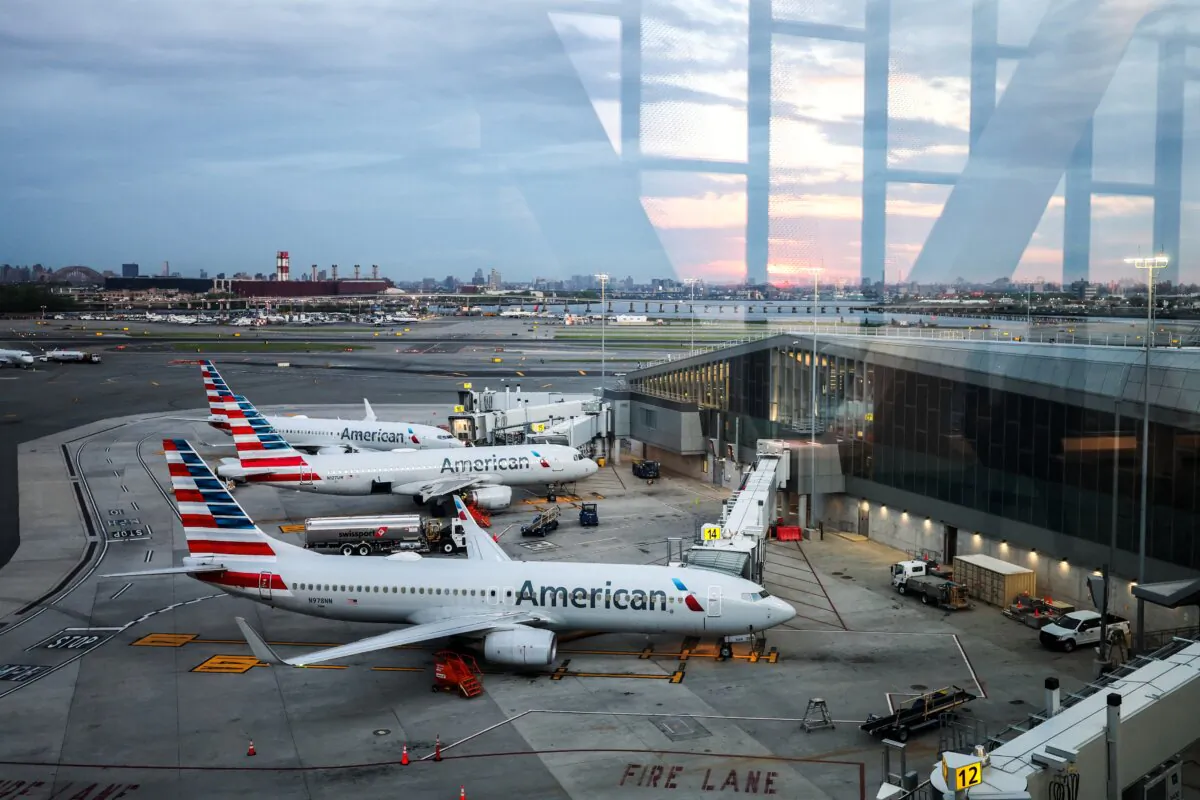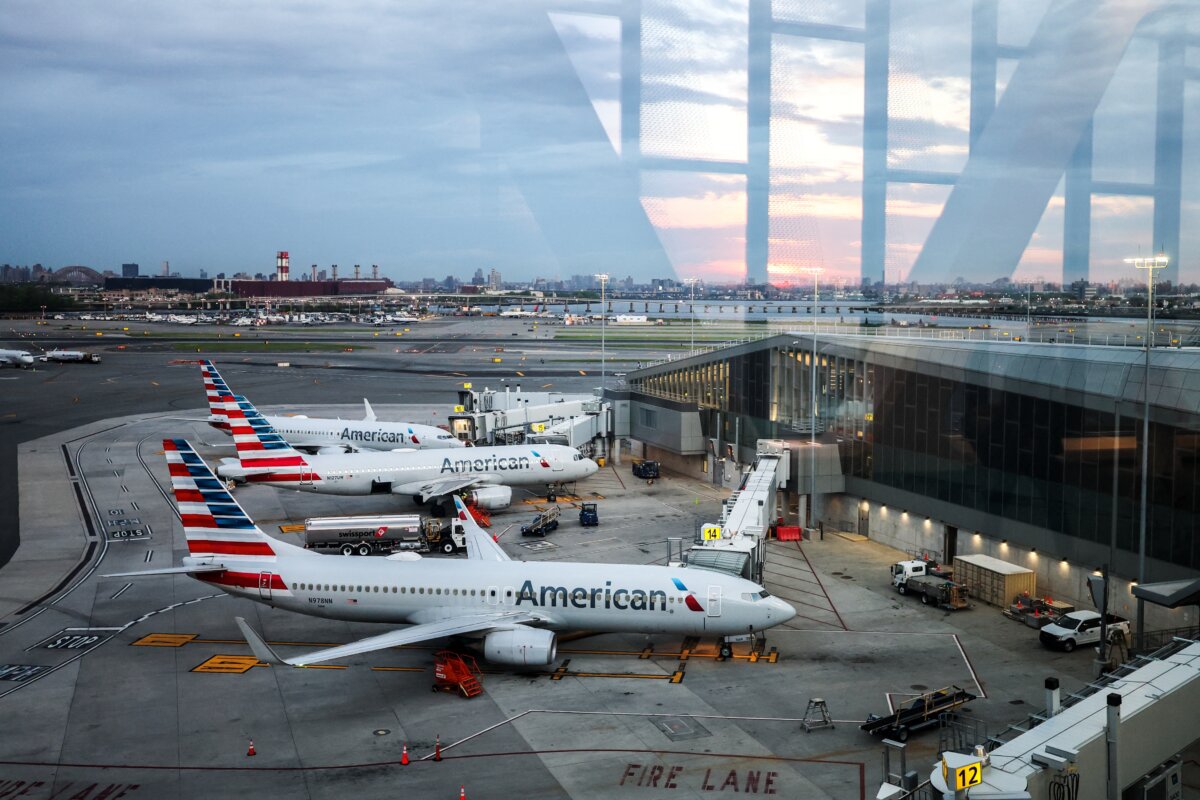

The U.S. Supreme Court declined to hear American Airlines’ appeal of a lower court ruling that struck down its Northeast Alliance with JetBlue Airways, bringing a formal end to a high-profile legal dispute over airline competition in the northeast.
On June 30, the justices rejected the petition without comment. This leaves in place a decision from the First U.S. Circuit Court of Appeals that upheld a 2023 ruling made by U.S. District Judge Leo Sorokin of the District of Massachusetts. The court found that the partnership between the two carriers, the largest and sixth-largest passenger airlines, violated federal antitrust law by eliminating competition in key markets, including Boston and the New York City area.
The Supreme Court’s denial ends the case without setting a national precedent. Nevertheless, it leaves in place a ruling that may shape how airline partnerships are viewed under federal antitrust law going forward.
The Northeast Alliance between American Airlines and JetBlue allowed the airlines to coordinate schedules, share revenue, and offer reciprocal loyalty benefits on flights departing from Logan International Airport in Boston and from John F. Kennedy, LaGuardia, and Newark Liberty airports in the New York area. Travelers could book itineraries on either airline that included legs operated by both carriers.
The alliance, announced in 2020 and approved by the Department of Transportation in early 2021, was short-lived. The Biden-era Department of Justice (DOJ) filed suit later that year, arguing the agreement unlawfully reduced competition and could lead to higher fares and fewer choices for consumers.
In 2023, Sorokin agreed with the DOJ and issued a permanent injunction dismantling the alliance. JetBlue withdrew from the partnership in 2023 as it sought to win approval for its failed $3.8 billion merger with Spirit Airlines.
American Airlines, however, continued its legal challenge. The appeal process went as high as the Supreme Court.
In its appeal, American Airlines argued that the court misapplied antitrust law and warned that the ruling could deter pro-competitive collaborations across industries. Furthermore, the carrier claimed that the alliance had improved service in the region and allowed it to compete more effectively with leading passenger airlines Delta Air Lines and United Airlines. American Airlines also said that the district court’s injunction would prevent it from pursuing similar partnerships for up to 10 years. [delete]
The DOJ argued that the Supreme Court’s review was unnecessary. It said JetBlue had already exited the alliance and that any decision would have limited real-world impact. The DOJ also maintained that the lower courts had applied well-established antitrust principles in concluding that the partnership harmed competition.
In May, JetBlue and United Airlines announced a new program called Blue Sky that includes some aspects of the now-defunct Northeast Alliance. Along with a joint loyalty program, Blue Sky will grant United access to slots at JFK International Airport for as many as seven daily round-trip flights as early as 2027. JetBlue and United will exchange eight flight timings at Newark, the companies said in a joint statement published on May 29.
As of May, the BlueSky agreement was still pending regulatory approval.
In a statement shared with The Epoch Times, American Airlines said it is “disappointed but appreciates the Supreme Court’s consideration.”
“The Northeast Alliance was designed to increase competition and expand customer options in the Northeast, which it clearly did during the time it was allowed to operate,” the airline said. “We will continue to build American’s network organically and through growth and investment in these partnerships.”
 Friends Read Free
Copy
Facebook
Tweet
Friends Read Free
Copy
Facebook
Tweet