
Have you ever wondered how some people defy their chronological ages, appearing remarkably youthful? The body’s biological age, a measurement of health and vitality based on the body’s condition, can often differ from one’s chronological age, the number of years lived. This distinction holds true for organs as well.
In a study published in Nature Medicine in April 2023, researchers discovered that our organs and tissues can age at varying rates, giving further evidence that our biological age does not align precisely with our chronological age.
The researchers observed a connection between the aging of different organ systems. For instance, if someone’s heart seems younger than his or her actual age, his or her other organs likely share this youthful vitality. Conversely, advanced organ age significantly heightens the risk of chronic illnesses.
To delve deeper into this intriguing phenomenon, researchers used a tool called the “organ age clock” to evaluate the health and functionality of essential organs such as the brain and heart. This opens the door to uncovering the secrets of organ aging and this kind of aging’s effect on overall well-being.
Why Younger Organs Are Less Prone to Diseases
Aging is commonly associated with declining cellular, tissue, and organ function, leading to old age, diseases, and mortality.
Younger organs are better able to heal and recover, making them more resistant to diseases and damage, because of their stem cells. Stem cells throughout the body play a crucial role in maintaining and repairing tissues and organs.
As we age, stem cells also age, leading to a deterioration in their functions. This age-related decline is a major cause of organ function loss and disease onset. Additionally, the number of stem cells tends to decline with age, according to the stem cell theory of aging, contributing to diminished regenerative capacity and impaired tissue maintenance in older people.
Furthermore, younger people have less wear and tear and less accumulated exposure to toxins and pollutants, Dr. Kezia Joy from the UK-based online health care platform Welzo told The Epoch Times. As a result, younger organs usually exhibit enhanced cellular functions, such as better metabolism, energy production, and waste removal, contributing to decreased susceptibility to diseases, and younger people have more robust immune systems.
Worn Out Hearts
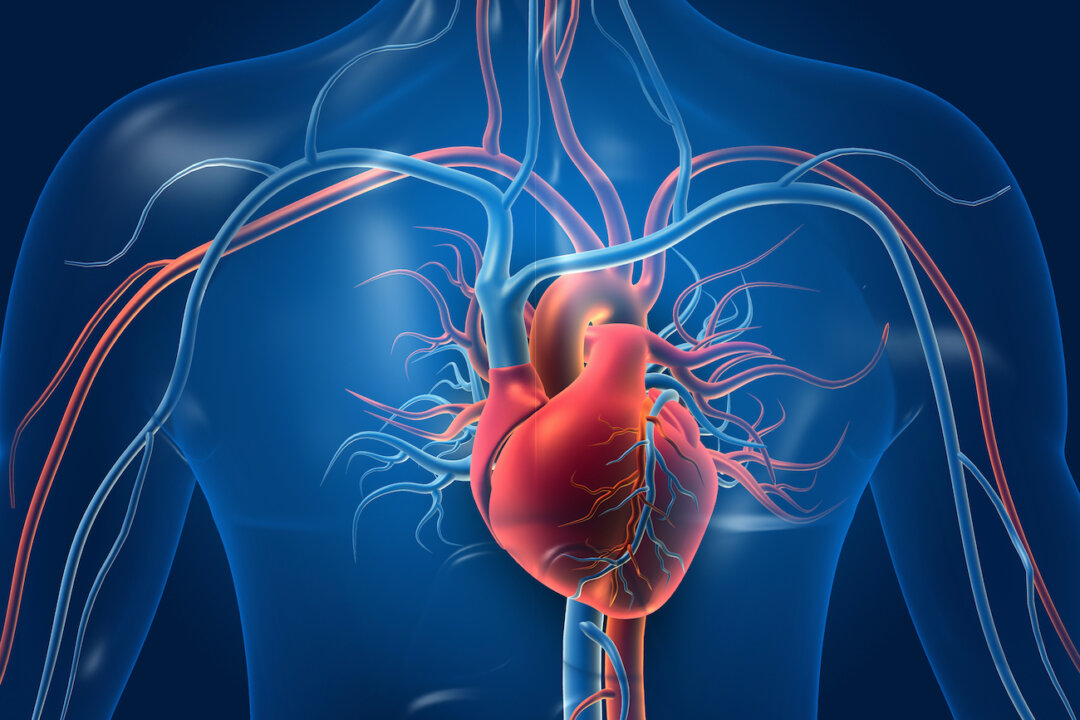
About 75 percent of American adults have a heart age surpassing their actual ages, according to the U.S. Centers for Disease Control and Prevention (CDC). The average New York City adult’s heart is six years older than his or her actual age. If you’re between 35 and 75, you can determine your heart age using a online heart age calculator that uses your age, weight, height, and blood pressure to calculate your heart age.
“Heart age” refers to the estimated age of your cardiovascular system based on risk factors such as high blood pressure, smoking, diabetes, and body mass index. Those with a heart age exceeding their chronological age face a higher risk of heart attacks and strokes.
To keep their hearts young, people should follow a heart-healthy lifestyle.
Fortunately, there are several ways to decrease the biological age of your critical organs—including your heart.
Stay Young At Heart
To keep your heart young, it’s critical to eat well and avoid activities that hurt your heart. When it comes to keeping your heart healthy, exercise is key.
Exercise Regularly
Regular exercise aids in removing harmful LDL cholesterol, preventing its buildup in blood vessels. Engaging in aerobic exercises of low to moderate intensity can significantly reduce total cholesterol levels.
Furthermore, exercise improves blood circulation, enhances blood vessel elasticity and density, and regulates blood pressure, all contributing to lowering the risk of cardiovascular disease.
A study published in the Journal of the American College of Cardiology discovered that just six months of training and running one marathon, even at low intensity, could reduce vascular age by four years. Vascular age is measured by assessing arterial stiffness and is a predictive indicator of potential heart, brain, and kidney damage. The study also found that older, slower participants exhibited greater rejuvenation after completing a marathon.
As we age, the production of new heart muscle cells, known as cardiomyocytes, diminishes. This loss is a leading cause of heart failure. However, a study of mice that was published in Nature Communications revealed that adult mice could generate new heart cells and rejuvenate their hearts after eight weeks of running exercise.
Avoid Cigarettes and Sugar
Smoking and obesity are both risk factors for cardiovascular diseases. In addition to avoiding smoking, it’s crucial to monitor sugar consumption.
A model based on data from U.S. National Health Surveys and scientific literature indicates that reducing added sugar intake by 20 percent over 20 years could decrease incidence of Type 2 diabetes by 19.9 cases per 100,000 people and of coronary heart disease by 9.4 per 100,000 people.
Consume Whey Protein
A comprehensive review using PubMed, a vast biomedical literature database with more than 35 million citations and abstracts, found that consuming whey protein may have several beneficial effects.
These include a reduction in one’s risk of developing obesity, improvements in glucose levels and insulin response, reductions in blood pressure and arterial stiffness, and enhancements in lipid profile. These positive outcomes collectively contribute to a lowered risk of cardiovascular disease.
Manage Stress
Managing stress and avoiding chronic stress is crucial for keeping organs young because when we experience stress, our bodies release stress hormones such as cortisol, which can damage various organ systems when elevated over a prolonged period.
Excessive stress can impair the body’s immune system and ability to repair and regenerate cells, leading to accelerated aging and organ deterioration. Moreover, psychological stress can indirectly influence the repair process by encouraging the adoption of unhealthy behaviors.
Maintain Your Brain
New treatments have shown promise in reversing age-related cognitive decline.
For instance, researchers at the University of California–San Francisco discovered that a drug-like small-molecule integrated stress response inhibitor can restore cognitive abilities and rejuvenate brain cells in aged mice.
Methods to help reverse brain aging include the following.
Engage in Aerobic Exercise
Aging-related changes in the hippocampus can cause cognitive decline in older adults due to reduced generation of new neurons.
A study at the Salk Institute for Biological Studies showed that aged mice that exercised grew more new neurons than sedentary mice. After one month of running, older mice generated up to 50 percent as many new neurons as young mice, effectively reversing age-related mental decline.
Additionally, a study involving more than 160 people aged 55 and above, who were divided into exercise and non-exercise groups and into groups based on whether they adopted the heart-healthy Dietary Approaches to Stop Hypertension (DASH) diet or not, showed that regular aerobic exercise can reverse brain aging effects and reduce the risk of dementia. These positive effects were observed even in the group not following the DASH diet.
Eat Foods Rich in Omega-3s, Antioxidants, and Magnesium
Consuming omega-3 fatty acids in foods such as salmon, tuna, and shellfish can enhance learning, memory, cognitive well-being, and cerebral blood flow. However, the American Heart Association generally doesn’t recommend omega-3 supplements for people not at high risk of cardiovascular disease.
Including antioxidant-rich foods such as blueberries, spinach, and strawberries in your diet can improve cognitive function and contribute to the preservation of brain health.
Foods rich in magnesium, such as green leafy vegetables, legumes, nuts, seeds, and whole grains, can help regulate metabolism and support the integrity of the blood-brain barrier. In a randomized trial, older participants with early cognitive impairment took a magnesium salt supplement daily for 12 weeks, which had promising results in reducing brain age.
Renew Your Skin
Skin, the body’s largest organ, is vital to maintaining our health and well-being. Significant research has been dedicated to combating skin aging, with the global skin care industry valued at about $130 billion.
Approaches to slowing down and potentially reversing skin aging include the following.
Use Vitamin A Products
The topical retinoid tretinoin, a vitamin A derivative commonly used for acne treatment, has proven efficacy in promoting cell growth, clearing clogged pores, and normalizing sebum production.
Whether used alone or in combination with antibacterial agents, it has shown promising results in reducing signs of premature skin aging caused by UV exposure, such as wrinkles, loss of elasticity, and pigmentation.
Use Certain Skin Care Products
Skin care products with retinol, carotenoids, flavonoids, or peptides may help combat skin aging.
Vitamin A and its derivatives are approved by the U.S. Food and Drug Administration as anti-wrinkle agents that improve skin texture and have anti-aging effects.
Carotenoids provide photoprotection, improve skin elasticity, hydration, and texture, and reduce wrinkles and age spots.
Flavonoids have excellent antioxidant properties that can prolong the skin’s youthful appearance.
Peptides support collagen production, improve skin texture, and diminish wrinkles.
Consume Specific Foods
To slow skin aging, you can consume certain foods rich in essential vitamins and nutrients:
- Retinol, or vitamin A, can be found in meat, dairy products, and fish.
- Carotenoids are abundant in carrots, bell peppers, leafy green vegetables, eggs, broccoli, and tomatoes.
- Flavonoids are present in fruits, vegetables, and tea.
- Peptides can be obtained from milk, soy, oats, and eggs.
- Omega-3 fats are found in sardines, salmon, nuts, and seeds.
Protect Your Skin
Using sunscreen may be necessary on days on which you will be overexposed to the sun, as approximately 80 percent of visible facial aging signs are caused by UV exposure. However, sunlight is also important for vitamin D production, among other things, so it isn’t wise to always slather on sunscreen. Avoid too much sunlight when the sun is at its peak, and wear protective clothing instead of sunscreen whenever possible. Moderate amounts of sun exposure are important for overall well-being.
Enhance Your Liver
The liver is responsible for metabolism, detoxification, and bile secretion. It has the unique ability to regenerate itself even after significant surgical removal, returning to its original size.
One German study found that, regardless of a person’s age, the liver usually remains less than three years old because of its constant self-regeneration.
Yet there appears to be a way to make the organ even younger. Research involving the use of the “Yamanaka factors,” a group of proteins that deliver instructions to specific regions of DNA highly active in embryonic stem cells, can effectively make liver cells younger through in vivo cellular reprogramming. This process facilitates faster healing of damaged liver tissues, enhancing the organ’s overall rejuvenation.
To maintain a healthy liver, there are simple steps you can take without using advanced technologies:
- Avoid alcohol, smoking, and exposure to toxins.
- Maintain a healthy weight to prevent fatty liver and liver diseases.
- Steer clear of substances such as marijuana, cocaine, heroin, and certain painkillers that can contribute to various liver disorders.
Recognizing the varying rates at which our organs age emphasizes the significance of preserving their vitality to improve our well-being. By adopting healthy habits and reversing the aging process in our organs, we can diminish the risk of chronic diseases and extend our lifespans.