
Commentary
Voter concerns about the economy ring loud and clear. There’s no shortage of ambitious solutions floating around. Yet, if Congress wants to have a real impact on affordability, it should focus on helping the backbone of the U.S. economy: small businesses. Unfortunately, one category of small business—franchises—faces enormous threats from Washington.
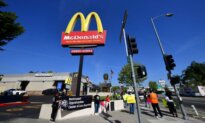
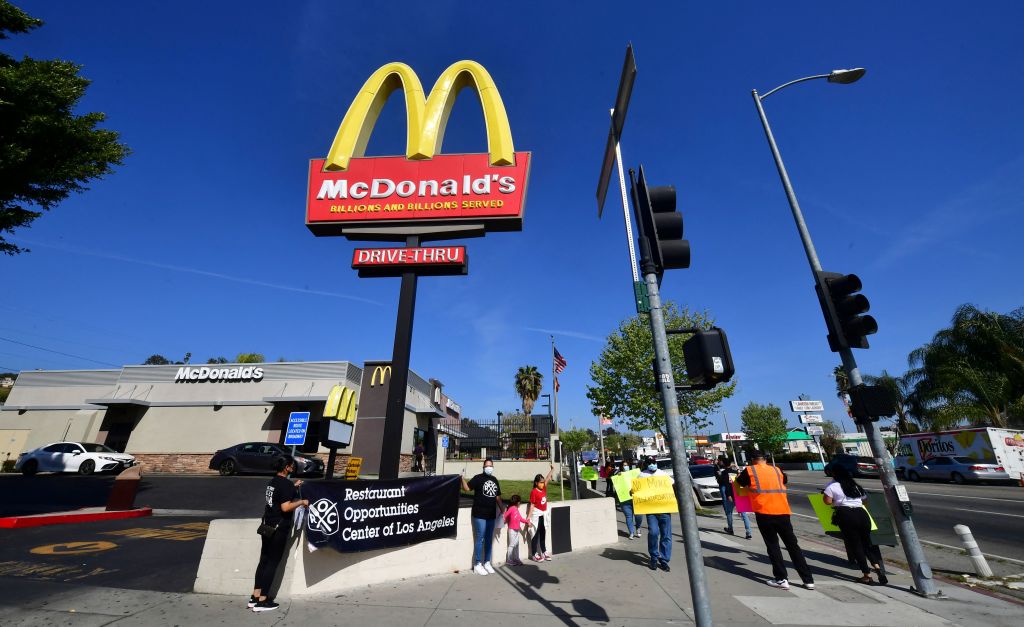
The franchise business model plays a pivotal role in sustaining the dynamism of the U.S. economy. Licensing the branding and operational systems of franchisors—including big companies such as McDonald’s, Planet Fitness, and Marriott—allows aspiring entrepreneurs to scale proven business models while keeping control over their day-to-day operations, such as hiring and training employees. Combining the expertise of established brands with the initiative, local know-how, and capital of small business owners has fueled prosperity across the nation for decades.
While traditionally viewed through the narrow lens of fast food establishments, franchises have become a fixture of the modern economy, spanning industries as diverse as hospitality, home services, and personal fitness, to name a few. Today, there are roughly 850,000 franchise establishments throughout the country. Run by about 250,000 owners, these businesses employ approximately 9 million people and account for about 3 percent of the overall economy.
Leave it up to Washington to upend a perfectly sound system. In recent years, the National Labor Relations Board (NLRB) has put the success of the franchise business model at risk by recklessly expanding something called the “joint employer standard.” This change means that the franchisor and the franchisee can both be held responsible for the same local employees.
What sounds like a legal technicality actually carries profound consequences for local franchise owners and workers alike. Supporters of an expanded standard argue that it is meant to protect workers by ensuring that big companies can’t avoid legal liability when they control employment conditions. Yet this one-size-fits-all approach undermines the clear division of labor that has always made the franchise model work so well.
If franchisors are forced to share legal liability for local workplace decisions, they will invariably reduce the local franchise owner’s autonomy just to avoid lawsuits. This nullifies the productivity gains franchising has to offer. That’s precisely why local franchise owners want to retain clear liability over their employees. Without the ability to actually hire, train, and manage their workforce, independent business owners are relegated to being mere store managers.
We don’t need to speculate about how misguided this approach is. According to the International Franchise Association, the NLRB’s decision to expand the joint employer standard in 2015 resulted in more than $33 billion in lost economic output, a whopping 93 percent increase in lawsuits filed against franchise businesses, and about 376,000 lost job opportunities. So much for worker protection!
Under the first Trump administration, the NLRB ultimately overruled the 2015 decision and restored a standard that was in line with longstanding precedent. The Biden administration’s attempt to change the law fortunately failed in court. But simply reversing course with each new administration isn’t a durable solution. The whipsaw effect of different administrations issuing conflicting rules in a partisan back-and-forth leaves small business owners unable to plan for the future. Fortunately, Congress has the opportunity to fix this problem once and for all.
Introduced by Reps. Kevin Hern (R-Okla.) and Don Davis (D-N.C.), the American Franchise Act would permanently codify a clear joint employer standard for franchises into law. This bill clarifies that a franchisor may be considered a joint employer of the employees of a franchisee only if the franchisor possesses and exercises “substantial direct and immediate control” over one or more essential terms of employment. With more than 100 co-sponsors, this bipartisan bill is exactly the kind of good-government legislation that franchise owners and workers need following years of regulatory uncertainty.
Notwithstanding the campaign-season demagoguery surrounding labor issues, the American Franchise Act does not strip workers of legal protections or make them more vulnerable. Federal and state labor laws regarding workplace safety and wage and hour requirements still apply to franchises. All this bill does is clarify who is responsible for employment decisions and preserve liability where real control exists.
At a time when affordability remains a widespread concern among the American people, Washington should be focused on fostering a regulatory environment that gives economic actors the confidence to take risks and expand their businesses. The lame-duck session offers Congress an opportunity to finally end the regulatory whiplash and save the franchise business model.
Views expressed in this article are the opinions of the author and do not necessarily reflect the views of The Epoch Times.
 Friends Read Free
Copy
Facebook
Tweet