
Commentary
The Food and Drug Administration recently approved a groundbreaking new medicine for the treatment of pancreatic cancer, a disease that kills seven out of eight patients within five years. This is progress, but it’s far from enough. Millions of Americans still battle cancer, which is the second leading cause of death in the United States.
For decades, Washington focused on enabling and funding scientists to discover and develop medicines to treat cancer after it caused symptoms. Thankfully, President Donald Trump, his administration, and the Make America Healthy Again (MAHA) movement at large have realized that if we really want to defeat cancer and save countless lives, we must prevent cancer and diagnose it earlier than ever.
Through the Make America Healthy Again Commission, Trump is taking direct aim at some of the leading causes of cancer. Excess body weight, poor diet, physical inactivity, and alcohol are related to nearly one in five cancer cases, and poor lifestyle factors are associated with 40 percent of cancer diagnoses and half of cancer deaths. Tackling these root causes will help reduce cancer rates and improve the health of millions of Americans. But even the healthiest lifestyle cannot eliminate cancer diagnosis entirely. That is why prevention and early detection must go hand in hand. Our president knows this, which is why he is looking to strengthen our nation’s prevention and screening diagnostics. By harnessing artificial intelligence to accelerate cancer research and working tirelessly to bring innovative, cutting-edge technology to Americans, Trump is doubling down on his commitment to patients.
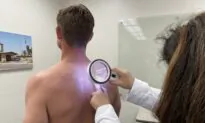
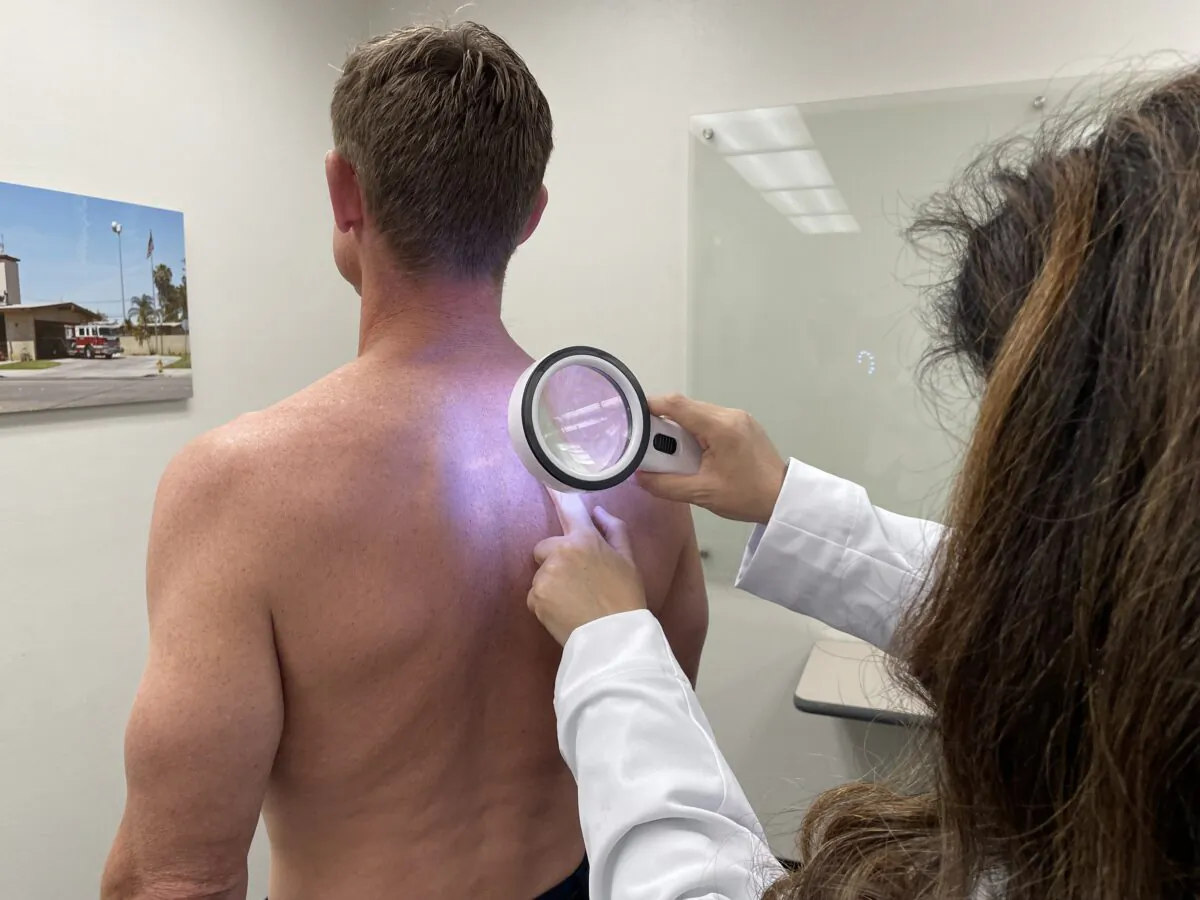
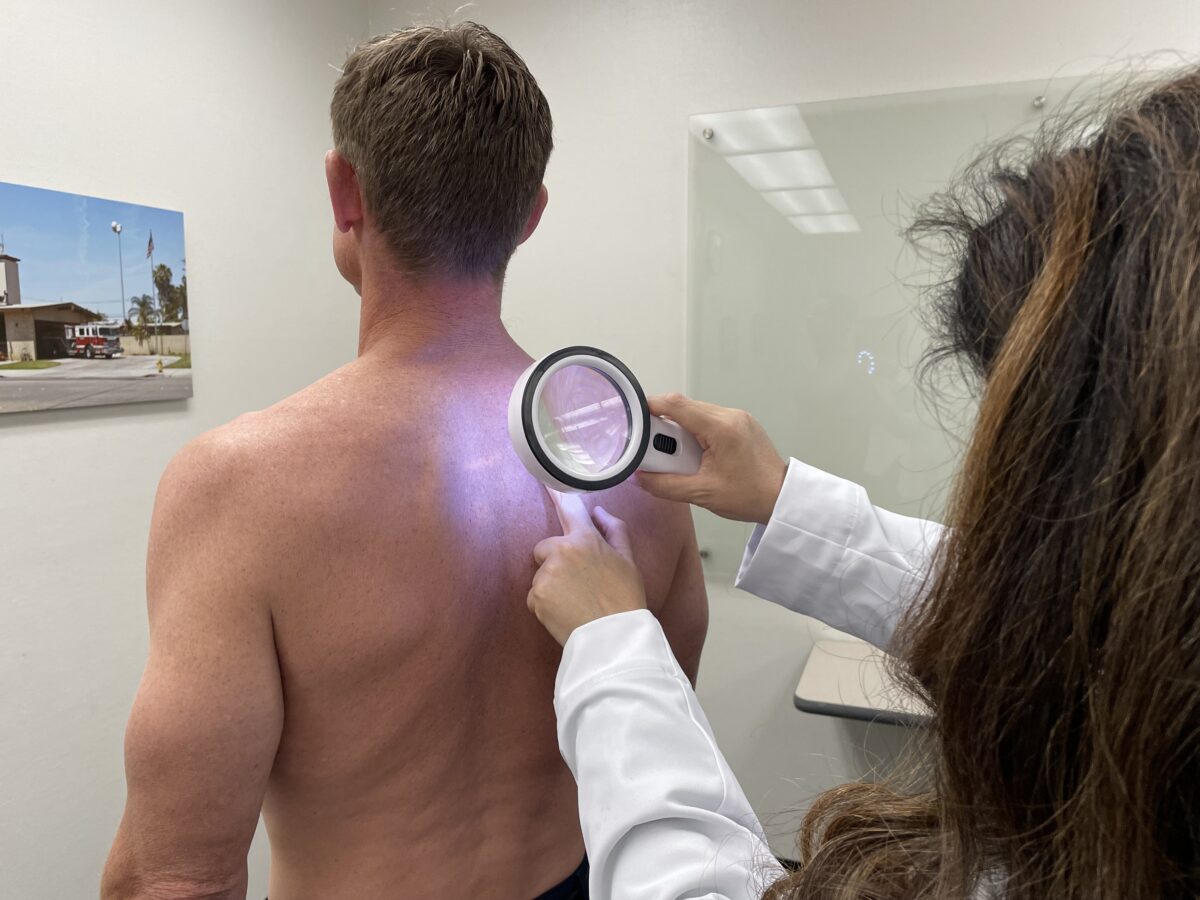
The administration understands the importance of identifying disease earlier and relying on rigorous science to guide public health decisions. Health Secretary Robert F. Kennedy and the Department of Health and Human Services are looking to update screening guidelines to reflect “exploding” rates of colon cancer among young people, and the secretary has fought to improve patients’ access to early Alzheimer’s testing. Better screenings facilitate early detection, which gives patients dramatically better odds of survival and grants them additional valuable time with loved ones. Additionally, as our population ages and healthcare costs balloon, early detection can lower the demand for costly late-stage care, easing the burden on families, taxpayers, and the healthcare system.
Fortunately, thanks to Trump and the MAHA movement’s emphasis on screening technology, the FDA is testing innovative new technologies that could revolutionize cancer detection.
Called multi-cancer early detection tests, they look for tiny pieces of DNA or other markers shed by tumor cells into the bloodstream, often before traditional symptoms manifest, and in many cases, prevent the need for painful biopsies. When combined with traditional cancer screenings, they can catch cancer in its early stages when it is more likely to respond to available treatments.
These tests have already looked for and found cancer signals for hundreds of thousands of patients, but before Trump took office, many insurers would not pay for them. Today, thanks to the president and MAHA leadership, any test that receives FDA approval—the true mark of a test that meets the “gold standard” of American science—will be covered by Medicare.
Now, for the first time ever, the FDA is considering approving one of these tests.
An FDA advisory committee will meet this month to evaluate the safety and effectiveness of GRAIL’s Galleri test. The independent experts will thoroughly review the data, ask the tough questions, and vote on whether to recommend the test for approval.
FDA approval of the Galleri test would help unlock access for millions of Americans through Medicare and, eventually, private insurance plans. The Trump administration, in its mission to restore trust in public health, understands that Americans deserve new medical technologies that are safe, effective, and supported by strong evidence. The FDA approval process exists to provide exactly that assurance.
The MAHA movement was founded on the principles of giving Americans the tools they need to live longer, healthier lives. Preventing cancer should remain a top priority. But when prevention falls short, Americans deserve access to reliable technologies that can find cancer earlier, when it is most treatable. Thanks to Trump, Kennedy, and the FDA, the pathway to that access is finally in place.
Views expressed in this article are the opinions of the author and do not necessarily reflect the views of The Epoch Times.
 Friends Read Free
Copy
Facebook
Tweet