Commentary
I named my ranch Sovereignty Ranch for a reason. Not because it sounded good or looked right on a sign, but because I was trying to name something I was only just beginning to understand.
Sovereignty is not something you grasp from a distance. It is something you feel when your life begins to depend on the land beneath your feet, when your food, your water, your daily rhythm all tie back to something real. Something that does not shift with headlines or markets. It changes you. It makes you harder to move, harder to convince, and harder to buy.
I recently came across a clip of a woman named Delsia Bare and her mother in Kentucky, and I found myself watching it more than once. They were offered more than $26 million for their farmland in Mason County, land that has been in their family for generations. Not land that was recently acquired or treated as an investment, but land that has been worked, relied on, and protected through seasons most of us will never experience.
This is land that fed people through the Great Depression. Land that stayed intact while other families were forced to sell. Land where cattle were raised, crops were grown, and a way of life was preserved, not because it was easy, but because it mattered. You can feel that kind of history in a place. It is not just acreage. It is memory, discipline, and continuity layered over time.
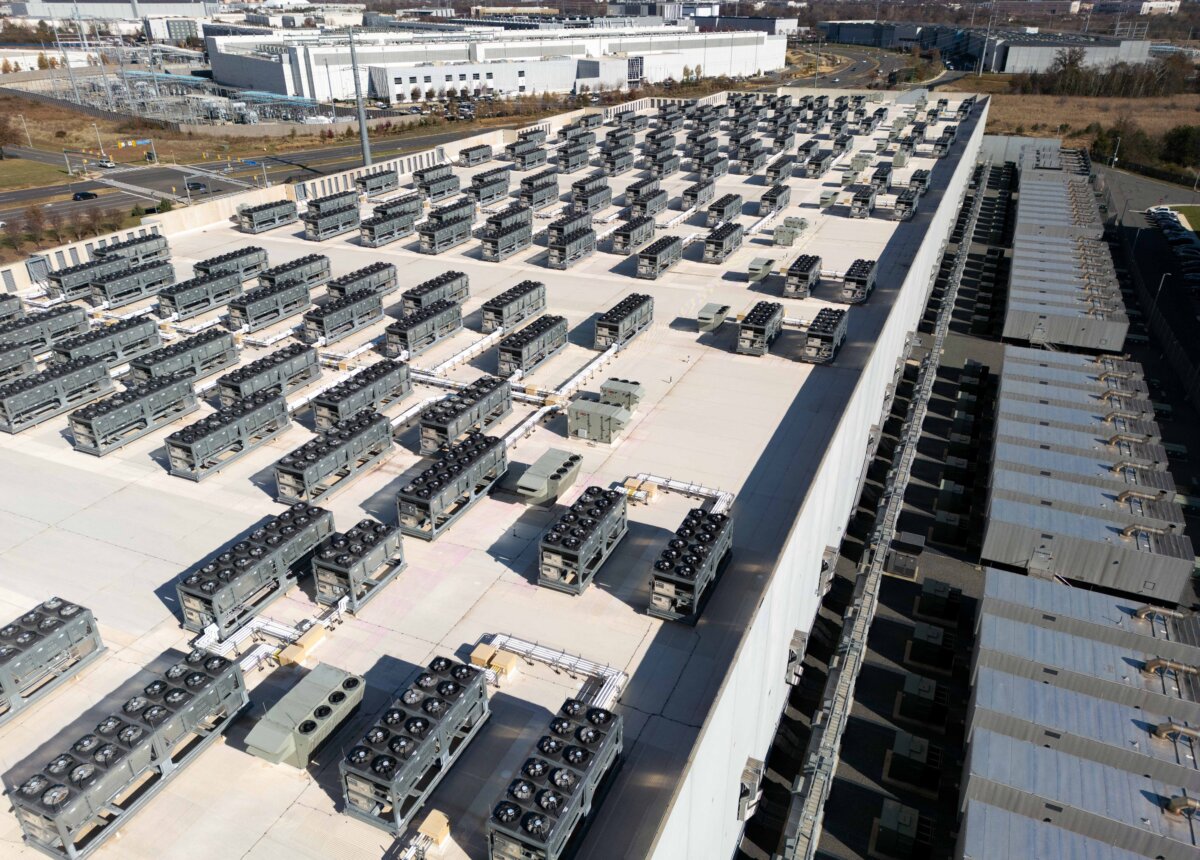
The offer they received was not a casual one. It was several times higher than what the land would typically sell for. The goal was to turn it into part of a massive artificial intelligence data center campus, the kind of development that comes with promises of jobs, infrastructure, and economic growth.
And they said no.
Not loudly or dramatically, just clearly. “Twenty-six million dollars doesn’t mean anything,” Bare said.
It is easy to admire a statement like that. It is harder to be honest about it. Of course, it means something. It would change most of our lives overnight. It would solve problems, create options, relieve pressures many of us carry quietly. I run a ranch and a business that depend on land, weather, people, and timing, and I know what it feels like to look at numbers and wonder what would make things easier. So I do not pretend I am above it.
But what Bare and her mother have is something that changes the equation. They have sovereignty. Not the kind debated online or argued in politics, but the real kind that comes from knowing your land, feeding people from it, and understanding that what you are holding is not simply yours to sell. It was handed to you, and your responsibility is to hand it forward.
That responsibility does not end with us. It extends to how we raise our children. We have to show them the honor of caring for the land, not just the hardship of it. If all they see is how hard it is, why would they choose it? Why would they step into it with faith, with purpose, with commitment?
That kind of inheritance is built slowly, in seasons and chores, in the way we speak about the land, and in whether we treat it as a burden or as something worth protecting. Because if the next generation does not choose it, what we say about it will not matter.
And right now, that choice is getting harder. Across the country, farmland is being converted into something else—data centers, warehouses, infrastructure for a digital world that most of us participate in without ever seeing the physical cost. I am not anti-technology. I use it every day. But I also understand what it replaces.
It replaces land that feeds people.
Once a piece of land goes urban, it does not quietly return to farmland. It does not go back to producing food. That decision is permanent, and we are making that trade faster than most people realize. It is easy to justify. It sounds efficient. It sounds modern. It sounds like progress. But it is also a one-way decision.
What struck me most about that clip was not just that they turned down the money, but how simple the decision seemed to them. There was no long explanation, no hedging, just clarity. That kind of clarity comes from being rooted long enough to know who you are and what your role is.
I think about that often. What would I do? I want to believe that I would make the same decision, that I would hold the line, think long term, and choose the land. But I also know enough to admit that I am not entirely sure.
What I do know is this. The more disconnected we become from the land, the easier it is to sell it. The more rooted we are in it, the harder it becomes to let it go.
Sovereignty does not announce itself. It does not trend. It does not scale easily. But it may be one of the last things standing between a world that feeds itself and one that forgets how. And once that knowledge is gone, no amount of money will bring it back.
Views expressed in this article are the opinions of the author and do not necessarily reflect the views of The Epoch Times.
 Friends Read Free
Copy
Facebook
Tweet
Friends Read Free
Copy
Facebook
Tweet