
Commentary
While Beijing brags that China has held up well economically despite the pressures imposed on it by Washington, news from local governments suggests that not all is well.
Almost all local governments and many state-owned enterprises report difficulties in meeting their expenses and financial obligations generally. These failures, the result of the ongoing property crisis and the general slowdown in China’s economy, will feed back to exacerbate these more general financial and economic problems and compound Beijing’s difficulties in recapturing the nation’s once-great growth momentum.
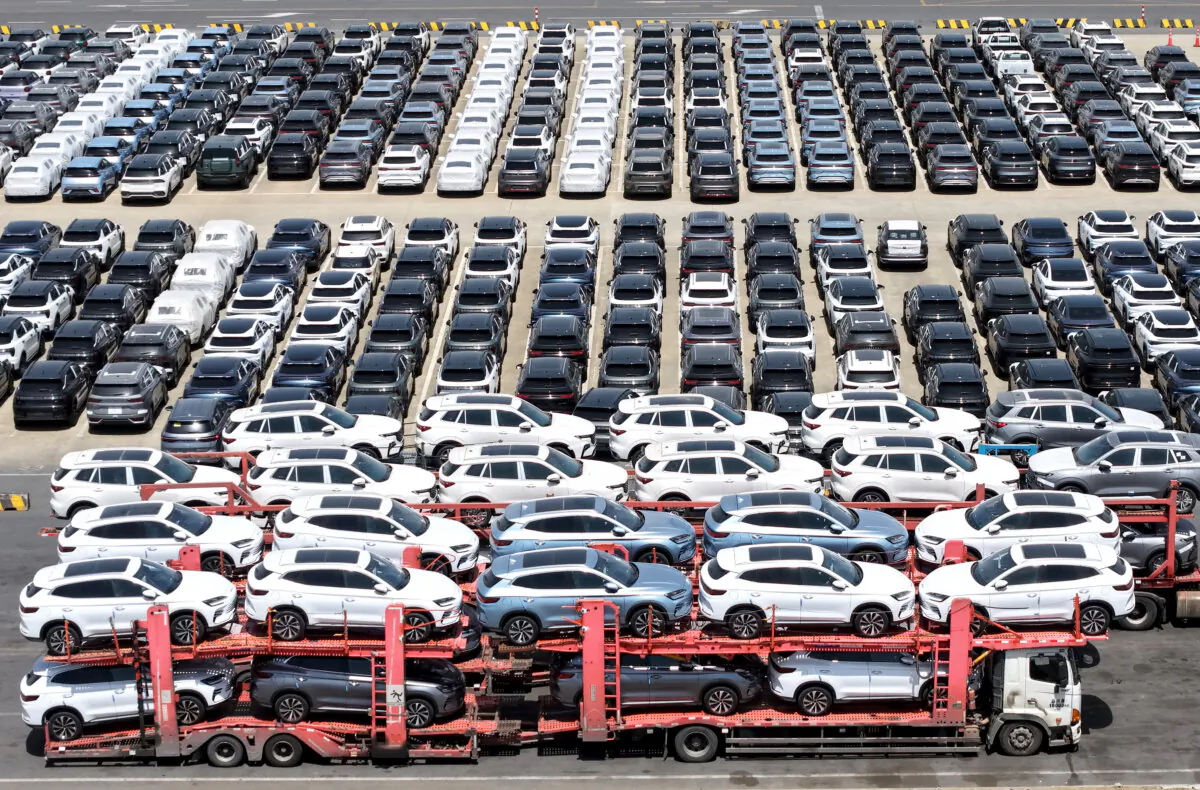
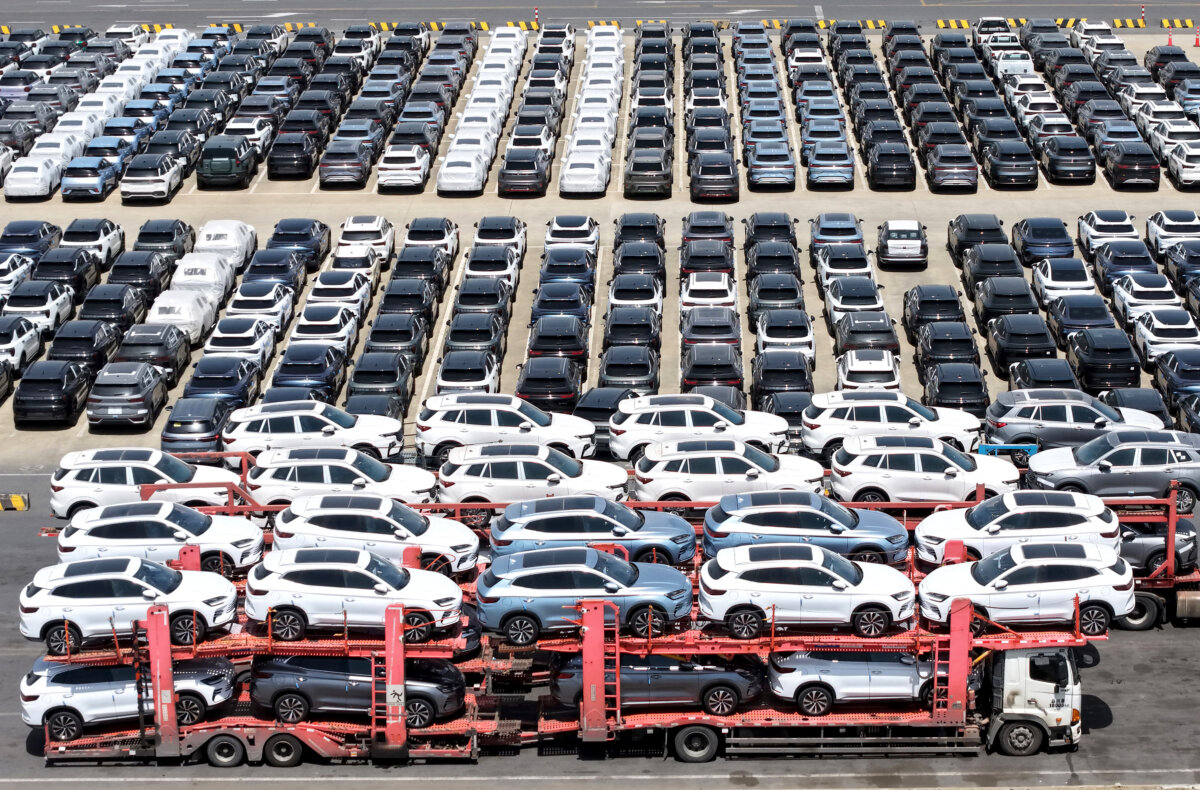
Local financial problems have even begun to scuttle Beijing’s special program to stimulate consumer spending. A big part of this effort involves what might be called a subsidized trade-in program for automobiles and durable household appliances. In something of an imitation of the “cash for clunkers” program that the Obama administration instituted to help the United States recover from the 2009 recession, Beijing has asked local governments to subsidize trade-ins of used cars, washers, dryers, and other household appliances to get people to buy new ones.
However, in many cases, local government funds have simply run out, and this has occurred much faster than expected. According to recent reports, at least six cities and municipalities across China have entirely halted the trade-in program.
Most of the local authorities blame Beijing for a lack of support. In this, officials in Zhengzhou and Luoyang stand out. Other cities, such as Shenyang and Chongqing, have used less inflammatory excuses. Whatever blame-shifting that these officials prefer, the fundamentals come down simply to a lack of funds, raising questions about the future of the 4 million car-specific trade-in applications tallied by Beijing’s Ministry of Commerce.
Still more significant are the pay cuts and layoffs that local governments, as well as state-owned enterprises, have had to implement because of this shortage of funds. Employees across China’s entire public sector have suffered wage declines, including even at the China Development Bank.
According to the Caixin media group, some 27 government-owned financial companies have had to implement pay cuts. While there is no authoritative tally of the extent and degree of these cuts, anecdotal information suggests that the pay reductions are on the order of 30 percent. For some, this year’s cuts are the second in the past three years.
Because approximately 23 percent of China’s workforce is employed in the government, and between 5 percent and 16 percent of workers are employed in state-owned enterprises, this downward pay pressure goes a long way to explaining why Beijing has had little to no success promoting the economy’s needed increase in consumer spending so far.
Worse still for the central planners in Beijing is the fact that these problems are in many respects self-inflicted. For years, Beijing’s heavy promotion of residential property development generated a substantial revenue stream for local governments through land sales and direct partnerships with development companies. That lavish income, in turn, promoted a heavy use of debt to expand local projects and to support Beijing’s lavish infrastructure spending.
When, just before the COVID-19 pandemic, Beijing suddenly withdrew its support for residential development, it precipitated not only the by-now famous property crisis but also a sudden impoverishment of local governments and some state-owned enterprises. Since then, these companies and local governments have struggled to support essential services, pay off the debts they had previously accumulated, and also advance new projects promulgated by Beijing.
Beijing already faces a huge chore overcoming the direct and secondary consequences of the property crisis, such as deflationary pressures, which themselves are a consequence of other planning errors. It must now also address these, shall we say, tertiary effects in local governments and state-owned enterprises. It must now find ways to replenish local government coffers so that they can meet their debt and policy obligations as well as sustain wages for their own employees.
If Beijing’s problem is not insolvable, it is clearly complex enough and imposing enough to tax the policy imagination of any government, perhaps especially the rigid Chinese Communist Party.
Views expressed in this article are the opinions of the author and do not necessarily reflect the views of The Epoch Times.
 Friends Read Free
Copy
Facebook
Tweet
Friends Read Free
Copy
Facebook
Tweet