
The Small Business Administration (SBA) issued a policy notice banning non-citizens and foreign nationals from receiving small business loans guaranteed by the agency, according to a March 9 statement.
The notice applies to the administration’s microloan program, which provides loans of up to $50,000 to help small businesses, as well as to start-up and expansion of certain not-for-profit childcare centers.
In fiscal year 2025, the SBA approved 3,358 loans for small businesses owned in part by lawful permanent residents, largely during the Biden administration. These loans made up 4 percent of the SBA’s total 85,000 loan approvals that year.
SBA’s latest decision comes as demand for capital among businesses hit a record, the statement said.
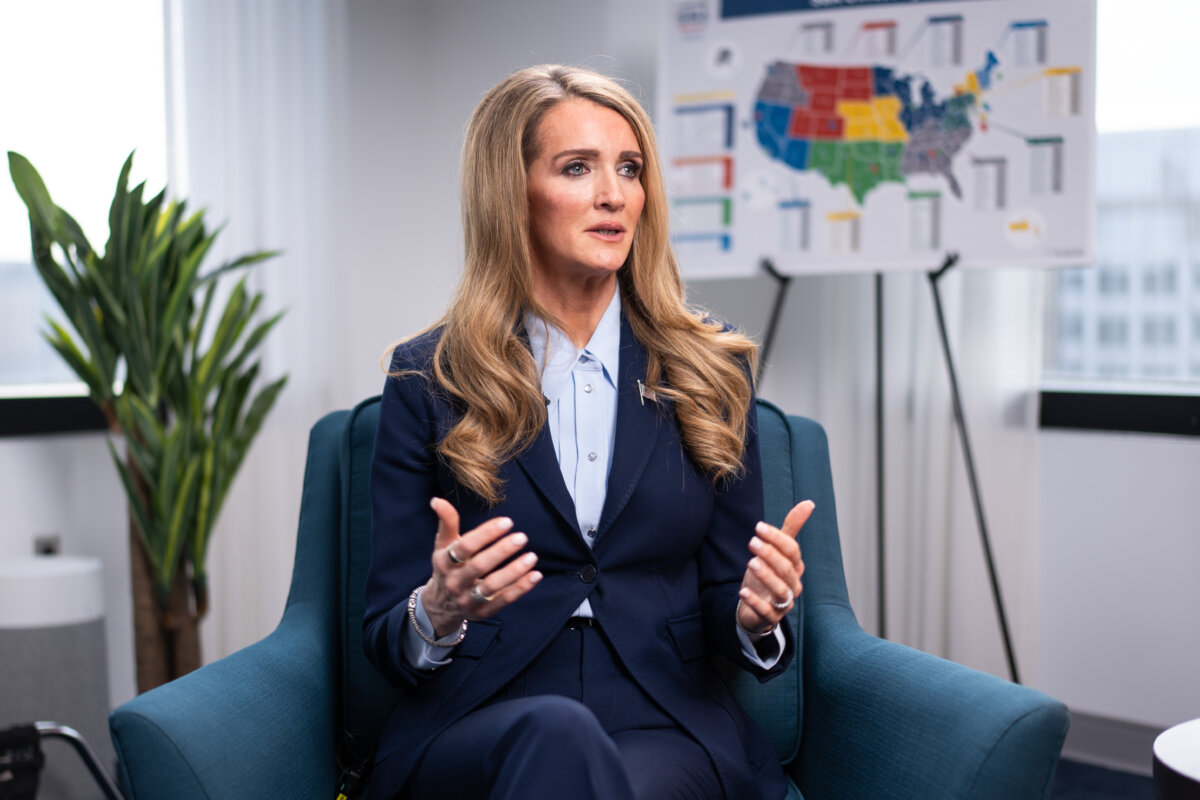
“Last month, we made it clear that SBA would not allow foreign nationals to access our core small business loan programs—and today, we are expanding that policy to include all SBA-guaranteed loans,” SBA Administrator Kelly Loeffler said.
“With our lending authority capped annually by Congress and amid record demand for access to capital, our responsibility is clear: the limited resource of SBA financing must prioritize American citizens who are building businesses and creating jobs here at home,” she added.
“The Trump SBA is committed to driving economic growth and job creation for American citizens.”
In addition to microloans, non-citizens and foreign nationals are banned from accessing the Surety Bond program.
Surety bonds are issued by the SBA to small businesses for guarantees that the work undertaken by these businesses will be completed as agreed. Surety bonds make it easier for small businesses to win contracts.
The new lending policy will come into effect 30 days from the publication of the policy notice. It builds upon another policy change implemented earlier this month, under which small businesses owned wholly or partly by foreign nationals were deemed ineligible for the SBA’s 504 and 7(a) loan programs.
Last month, Rep. Grace Meng (D–N.Y.), chair of the Congressional Asian Pacific American Caucus, denounced the Trump administration’s policy to block immigrants from SBA loans, according to a Feb. 10 statement from the caucus.
“America has long stood as the land of opportunity, where hard work opened the door to a better life for you and your family. The SBA’s decision to deny hard-working legal immigrants the capital they need to start or grow a business will effectively lock millions of Asian American, Native Hawaiian, and Pacific Islander (AANHPI) families out of the American Dream,” Meng said.
“There are more than 3 million AANHPI-owned small businesses across the country that are responsible for nearly a trillion dollars in economic activity. This cruel decision is rooted in xenophobia and will only weaken our economy, hurt job creation, and stifle the spirit of entrepreneurship that makes our country great.”
Meng’s criticism came after the SBA published a notice on Feb. 2, revising its loan program guidance, the statement said.
The notice clarified that 100 percent of all direct and/or indirect owners of small business loan applicants must be U.S. citizens or U.S. nationals with a principal residence in the United States, its territories, or possessions.
SBA said the policy was consistent with a Jan. 20, 2025, executive order signed by Trump, titled “Protecting the American People Against Invasion.”
In the order, Trump wrote that all agencies must identify and stop the provision of any public benefits to illegal immigrants not authorized to receive them.
Moreover, the SBA has focused on making loans available to support U.S. manufacturers. In a Feb. 2 statement, the agency said it had delivered over $150 million in new lending under the s 7(a) Working Capital Pilot (WCP) Program since the inception of the initiative, with more than $125 million approved under the Trump administration.
“The success of the program is driven largely by small manufacturers, who make up 98 percent of all U.S. manufacturers and who are experiencing a resurgence thanks to the Trump economic agenda that is restoring American industrial dominance,” SBA said.
 Friends Read Free
Copy
Facebook
Tweet
Friends Read Free
Copy
Facebook
Tweet