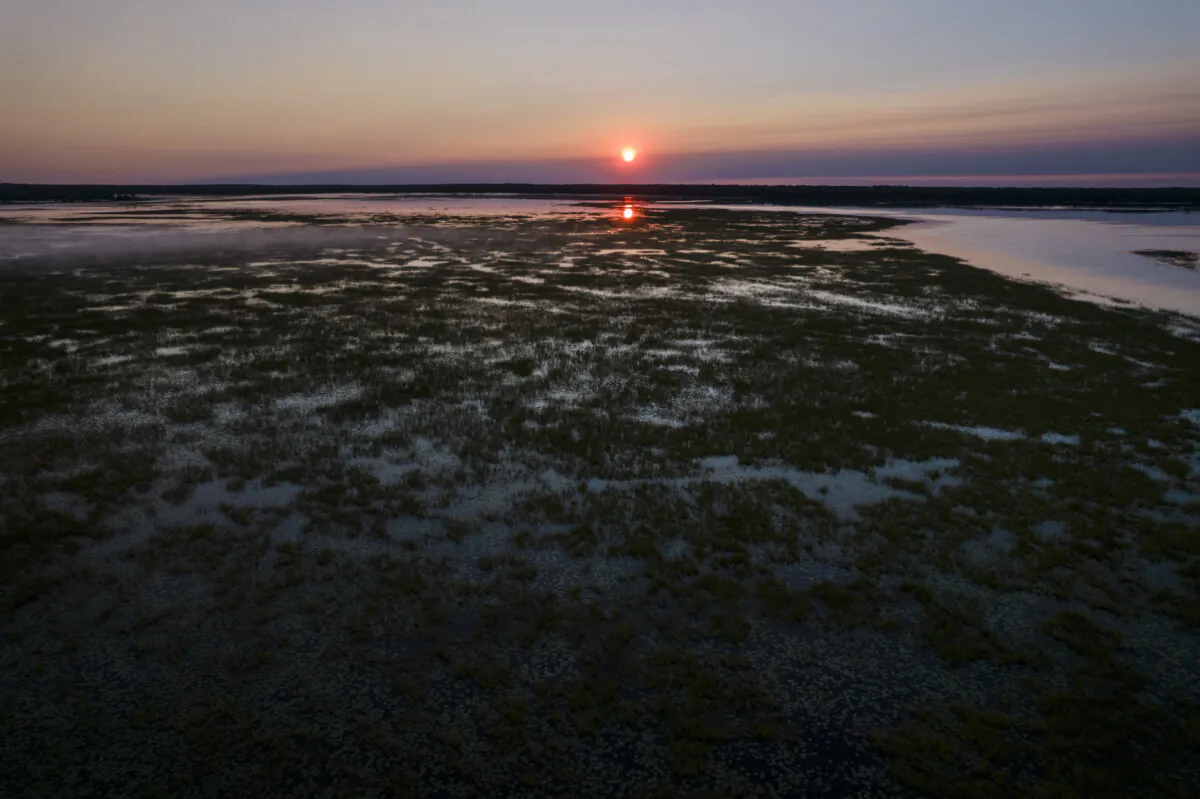

More than $67 million has been approved in two separate funding grants for conserving 190,457 acres of wetlands used by migratory birds in the United States, the Department of the Interior (DOI) said in a May 19 statement.
The first grant involves the approval of $44.8 million in North American Wetlands Conservation Act (NAWCA) funding by the Migratory Bird Conservation Commission. The funds will go to the U.S. Fish and Wildlife Service and its partners to conserve, restore, or enhance 185,203 acres of wetlands and upland habitats for migratory birds.
NAWCA program partners will match the $44.8 million grants with $89 million in funds for 16 projects in 16 states. These partners include private landowners, conservation organizations, land trusts, and state, tribal, and local governments.
NAWCA is the only federal grant program dedicated to conserving wetland habitats for migratory birds.
In addition to benefiting migratory birds, NAWCA projects help reduce flooding risks, improve water quality, enhance ecosystems, and minimize coastal erosion.
NAWCA has disbursed more than $7.2 billion since 1991 to conserve wetland habitats and associated wildlife. These funds have benefited more than 33.1 million acres of habitats across the United States, Mexico, and Canada. More than $2.2 billion came from federal grants, while more than $4.5 billion came from partner contributions.
“The North American Wetlands Conservation Act is among our most successful tools for the conservation of migratory birds throughout the United States,” Secretary of the Interior Doug Burgum said. “These grants support public-private partnerships that help ensure healthy, productive wetland ecosystems that benefit wildlife and people.
“These projects will enhance or establish areas for hunting, fishing, and birdwatching, uplift local economies, and improve access to outdoor recreation opportunities on public lands for all Americans.”
The second grant, valued at more than $22.6 million, was approved by the Migratory Bird Conservation Commission to conserve 5,254 acres across three national wildlife refuges in three states—Moody National Wildlife Refuge in Texas, Rappahannock River Valley National Wildlife Refuge in Virginia, and Emiquon National Wildlife Refuge in Illinois.

The $22.6 million in funding comes mainly from the sale of Federal Migratory Bird Hunting and Conservation Stamps, popularly known as Duck Stamps, and from duties on imported arms and ammunition.
The Migratory Bird Conservation Commission was established in 1929 to protect wetlands used by migratory birds and is chaired by the interior secretary.
In September 2025, the DOI announced more than $54 million to conserve more than 21,000 acres of waterfowl habitats and increase public access to wildlife refuges.
A month earlier, in August 2025, the department set aside $102.9 million to conserve or restore 548,242 acres of critical wetland habitats.
According to a July 2025 post by the Environmental Protection Agency (EPA), wetlands are one of the most productive ecosystems in the world, comparable to coral reefs and rainforests.
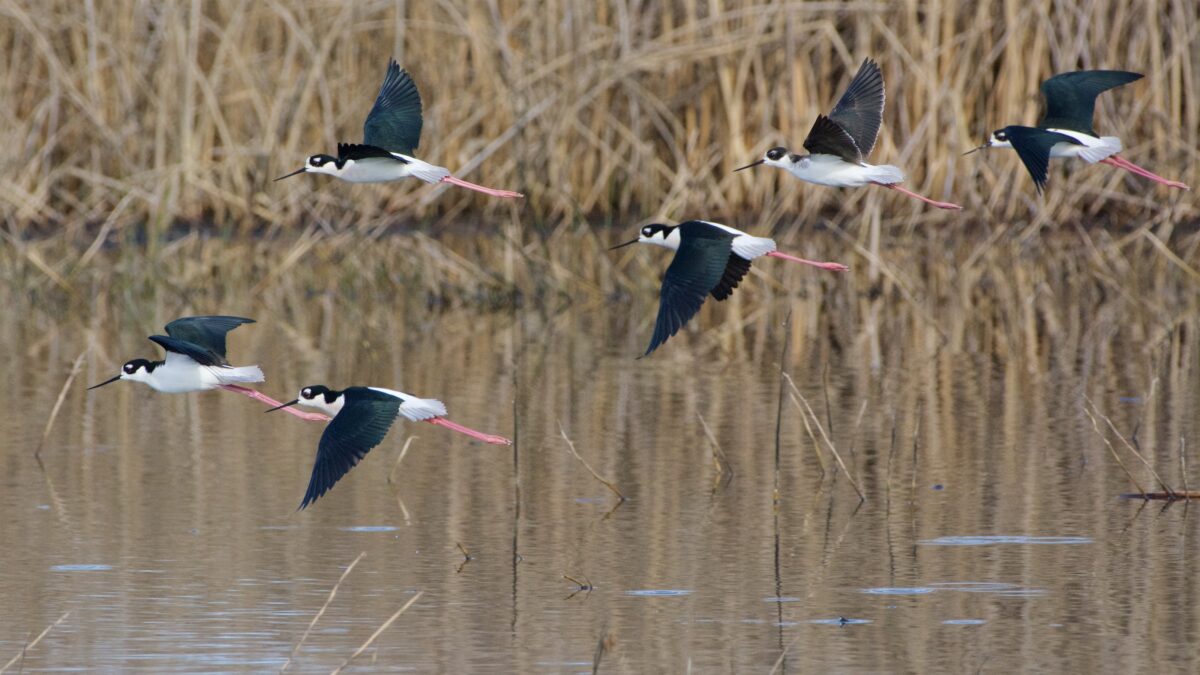
“Many of the U.S. breeding bird populations—including ducks, geese, woodpeckers, hawks, wading birds and many song-birds—feed, nest and raise their young in wetlands,” the EPA said in the post. “Migratory waterfowl use coastal and inland wetlands as resting, feeding, breeding or nesting grounds for at least part of the year.
“An international agreement to protect wetlands of international importance was developed because some species of migratory birds are completely dependent on certain wetlands and would become extinct if those wetlands were destroyed.”
The habitats of migratory birds face degradation risks from human activity, with millions of acres of such lands degraded or lost annually through agriculture, forestry, and development, the Fish and Wildlife Service states on its website.
Millions of birds are killed by human-caused sources, such as collisions with structures like communication towers and windows.
“Birds in every habitat will be affected by human-caused sources, so conserving migratory bird populations requires a multi-faceted, coordinated approach by governments, conservation organizations, industry, and the general public,” the agency stated.
 Friends Read Free
Copy
Facebook
Tweet
Friends Read Free
Copy
Facebook
Tweet