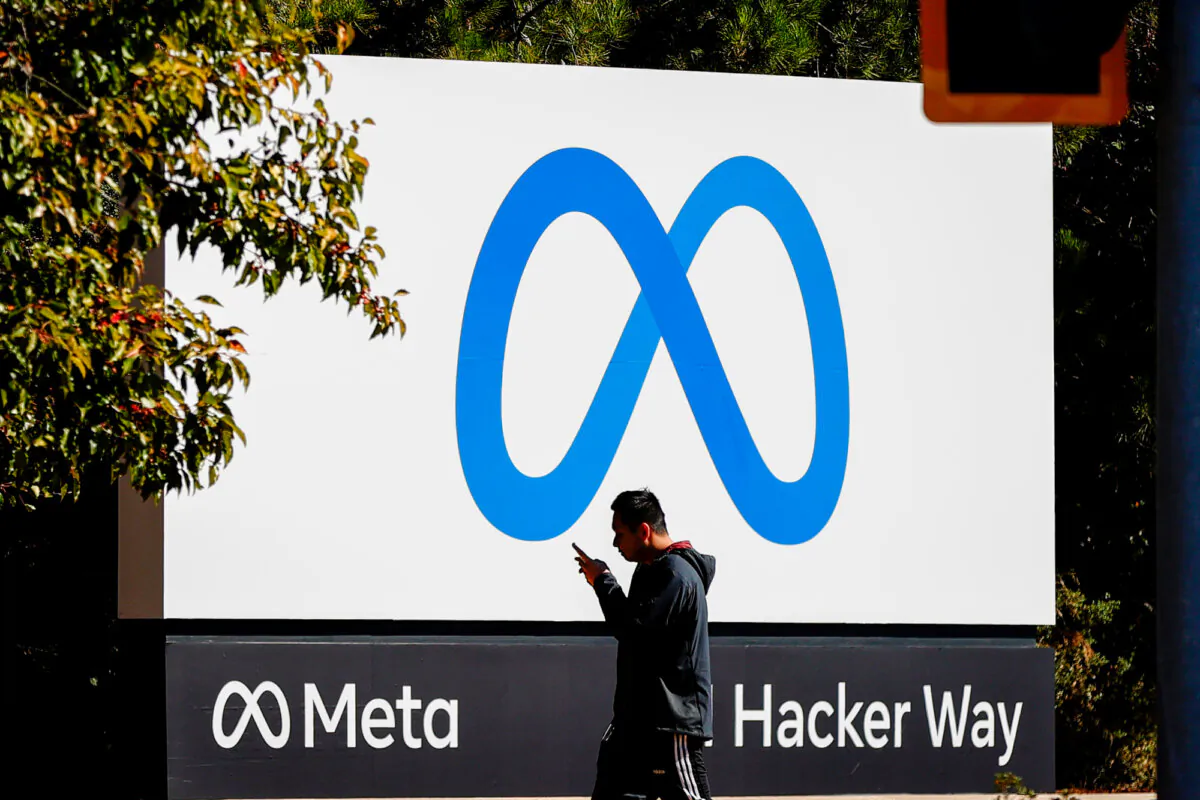

Meta—the parent company of Facebook, Instagram, and WhatsApp—has stopped allowing firms to post advertisements recruiting people as plaintiffs for lawsuits against social media companies over social media addiction.
A Meta spokesperson told The Epoch Times in an email on April 10 that the company is actively defending itself against the lawsuits, which include thousands of cases in state and federal court, and is removing the ads.
“We will not allow trial lawyers to profit from our platforms while simultaneously claiming they are harmful,” the spokesperson said.
A New Mexico jury on March 24 said Meta violated state law by failing to warn about the risks its platforms posed to children. Jurors decided on a $375 million fine.
Just one day later, a jury in California found Meta and Google liable for $6 million for psychological problems suffered by a 20-year-old plaintiff after becoming addicted to their products.
“Because of companies like Meta and YouTube, our attention spans and the reward systems in our brains have become monetized and exploited like never before,” Morgan & Morgan founder John Morgan and attorney Emily Jeffcott, who represented the plaintiff, said in a statement.
“This approach of addicting people to social media platforms to make more profit—at the expense of our mental health—has been especially harmful to the minds of our children. We’re pleased the jury recognized the magnitude of this issue and held Meta and YouTube accountable for their actions.”
Those are two of thousands of lawsuits filed against Meta and other social media companies, alleging that the companies knew their products were addictive but did not take adequate action, such as issuing warnings to users.
The companies have denied the allegations and say they take extensive steps to keep teens and young users safe on their platforms.
Addiction to social media can include not being able to limit social media use and using social media so much that it negatively impacts one’s work.
People can sue the companies if they were routinely on social media for several hours a day as children and suffered as a result.
Morgan & Morgan, which represents plaintiffs in the litigation and was part of the trial team that won the Los Angeles case, is among the law firms that placed ads on Facebook.
Morgan & Morgan attorney Emily Jeffcott said in a statement that Meta’s resources would be better spent improving user safety.
“Blocking the ads doesn’t make the harms go away. It just makes it harder on victims,” Jeffcott said.
Companies that seek to connect potential clients with law firms, such as Tennessee-based White Heart Legal, are also advertising the litigation on social media, according to X Ante, a company that tracks mass tort advertising.
White Heart Legal did not respond to a request for comment by the time of publication.
X Ante founder Rustin Silverstein said social media has become an increasingly popular place for advertisers seeking potential law clients in mass tort litigation, but accounts for only a portion of the ads that have been airing this year for the social media cases.
A total of 671 television ads promoting social media claims aired nationwide in March—more than in any month since July 2024, Silverstein said. The number of radio ads in March nearly tripled to 20,000 after the verdicts, he said.
Reuters contributed to this report.
 Friends Read Free
Copy
Facebook
Tweet
Friends Read Free
Copy
Facebook
Tweet