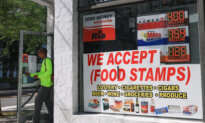

States and federal officials are tightening rules on food purchases made with benefits, aiming to steer spending toward healthier options.
Here’s a breakdown of the changes ahead.
New Purchase Limits Starting in 2026
Nearly a dozen states plan to bar recipients from buying soda, energy drinks, and candy with their benefits in the coming months.
Eight more states—Arkansas, Colorado, Missouri, Montana, Ohio, North Dakota, South Carolina, and Virginia—will roll out the restrictions during 2026, with Colorado’s start delayed until October, according to the U.S. Department of Agriculture.
Kansas, Nevada, and Wyoming will follow within the next two years. By 2028, nearly half the states will have such rules in place.
The changes arrive through waivers approved by the U.S. Department of Agriculture. Arkansas Gov. Sarah Huckabee Sanders submitted one such waiver last year.
“President [Donald] Trump and his administration have put a laser focus on solving America’s chronic disease epidemic and reforming our food stamp program is a great place to start,” she said in a statement at the time.
“Banning soft drinks and candy from food stamps will remove some of the least-healthy, most-processed foods from the program and encourage low-income Arkansans to eat better. Arkansas leads the nation in common-sense, conservative reforms and I was proud to work with Secretary [of Agriculture Brooke] Rollins to make this move and take a strong first step toward broader changes to our food stamp program.”
Impacts on Retailers, Consumers
Federal rules will also target stores.
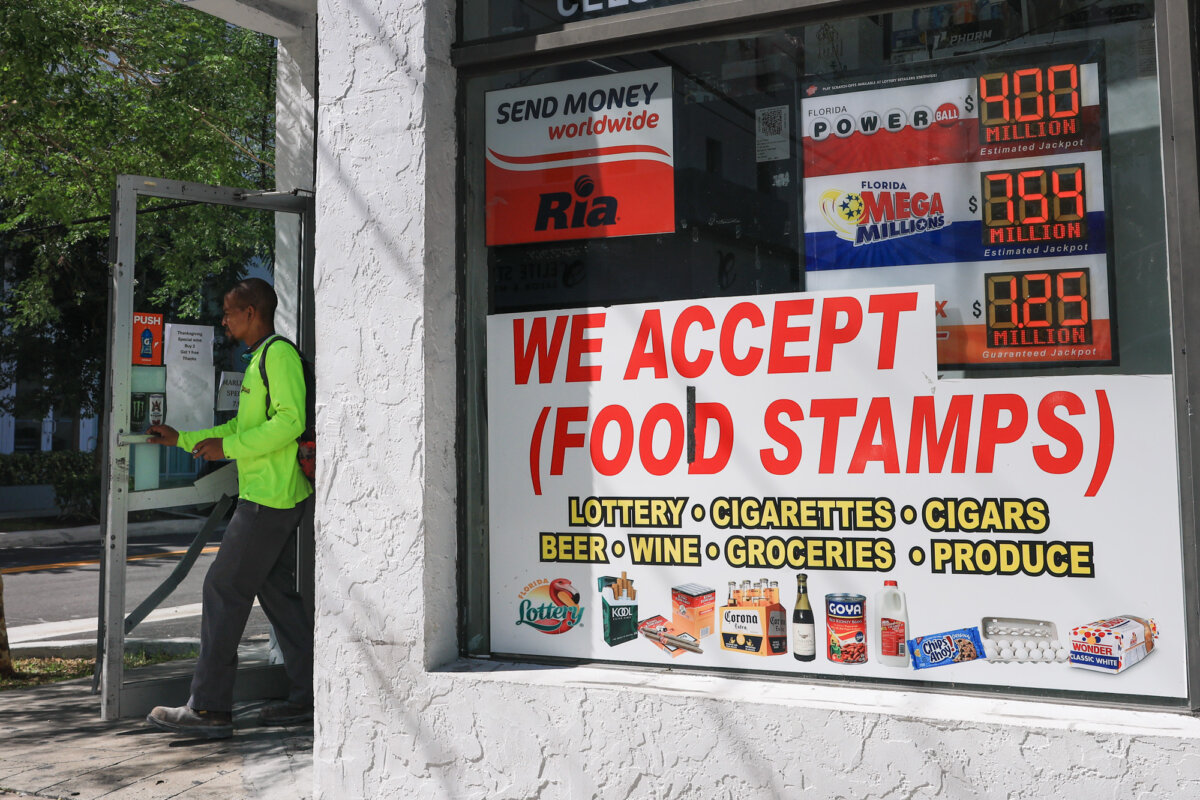
Starting this fall, SNAP-authorized retailers must stock more nutritious items across four categories: protein, grains, dairy, and produce.
“SNAP authorized retailers accept over $90 billion a year, or $236 million a day, in taxpayer dollars—USDA is making sure they’re actually in the business of selling food,” Rollins said of the decision in May.
The program serves roughly 1 in 8 Americans.
The push builds on actions already taken by several states in 2025. Indiana, Iowa, Nebraska, Utah, and West Virginia began limiting soda and candy purchases on Jan. 1, 2026. Louisiana, Idaho, and Oklahoma followed with their own curbs.
Officials in those states, along with the Trump administration, say that the limits promote better nutrition and help fight chronic disease.
SNAP provides a monthly debit-card benefit for groceries to low- and no-income households. Benefits cannot be used for alcohol or tobacco, and new state rules add sugary drinks and sweets to the banned list.
Retailers in waiver states must adjust their inventories or risk losing authorization to accept the cards.
The USDA administers the program nationally while states handle day-to-day operations. Recipients should check their state’s exact list of prohibited items before the deadlines, because enforcement will fall to grocery stores at checkout.
SNAP Limits Evolving
Congress created SNAP in the 1960s to fight hunger and poverty. Over decades, lawmakers have added basic restrictions—no hot foods, for example—to keep benefits focused on groceries prepared at home. The current wave of state waivers marks a turn toward nutrition standards.
States will also shoulder more administrative expenses under recent federal updates.
The new restrictions are scheduled to take effect on the timelines announced. Recipients can visit their state human-services website or the USDA Food and Nutrition Service page for the latest details.
 Friends Read Free
Copy
Facebook
Tweet
Friends Read Free
Copy
Facebook
Tweet