
An estimate released by the Congressional Budget Office (CBO) on June 4 said that nearly 11 million people would lose insurance in 2034 under a major budget bill backed by the White House and Republicans.
In a statement attached to a spreadsheet released by the CBO on June 4, the office said that enacting the One Big Beautiful Bill Act “would increase by 10.9 million the number of people without health insurance in 2034.” That would include about 1.4 million illegal immigrants, or individuals “without verified citizenship, nationality, or satisfactory immigration status,” who would lose coverage in state-only funded programs, the CBO said.
A subsection of the CBO spreadsheet found that the loss in health care would be driven primarily because of cuts to Medicaid, the federal program that provides insurance to adults and children with limited resources and income. More than 7.8 million fewer people would be enrolled in the program, which has been targeted by Republicans who said the cuts were a way to remove fraud, waste, and abuse.
Another 1.3 million people would lose their health care by 2034 because of the bill’s changes to the Affordable Care Act, or Obamacare, the CBO estimated.
But the measure would also “lower gross benchmark premiums, on average, in marketplace plans established by the Affordable Care Act by an estimated 12.2 percent in 2034,” according to the report.
The bill is the centerpiece of President Donald Trump’s legislative agenda so far and would extend $4.5 trillion in expiring tax cuts, spend more money on immigration and border enforcement, and find savings by slashing funding to Medicaid, food stamps, and climate-related investments.
The Energy and Commerce portion of the package would save $1 trillion over the next decade. Most of that comes from savings enacted to Medicaid, according to the CBO.
The CBO said on June 4 that the spending package would add $2.4 trillion to the U.S. national debt over 10 years, a figure slightly higher than what it had projected when it evaluated an earlier version of the bill last month. In all, the CBO and the Joint Committee on Taxation said that over the decade, the bill would decrease federal government revenues by $3.7 trillion while cutting net spending by $1.3 trillion.
Republicans and the White House have been largely dismissive of the CBO’s previous estimates on the bill, and GOP lawmakers on June 4 bristled at the latest report. Some have argued that the CBO is ignoring the economic growth that would stem from their bill.
“This bill will actually reduce the deficit if you recognize the historical economic growth that has always been there,” House Majority Leader Steve Scalise (R-La.) said at a news conference on June 4.
Despite the criticism, the CBO’s findings will likely be weighed by lawmakers and others seeking to understand the budgetary effects of the 1,000-page-plus package.
The report comes on the heels of Tesla CEO and former White House adviser Elon Musk’s criticism of the measure in a series of social media posts on June 3, in which Musk described it as a “disgusting abomination” that he believes will significantly increase the national debt.
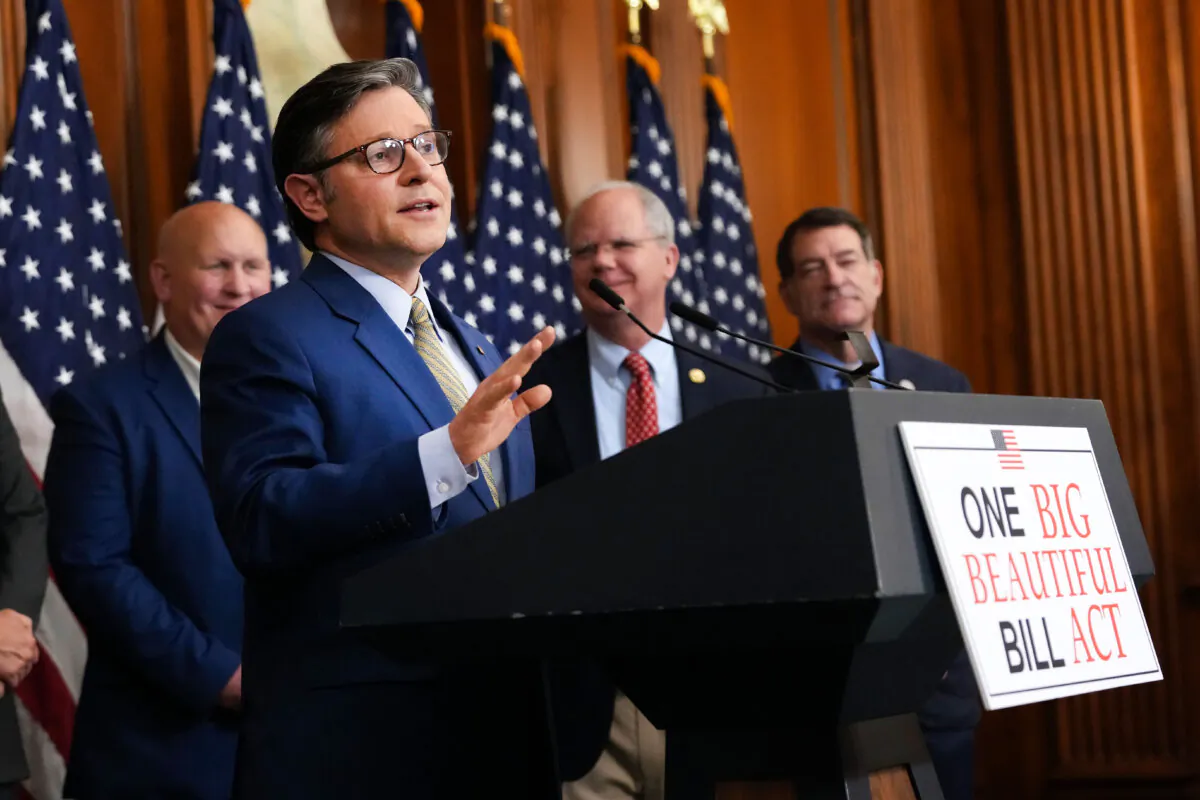
In response, House Speaker Mike Johnson (R-La.) said he had spoken with Musk over the phone in recent days and said the Tesla chief executive’s comments may be in response to a section of the bill that eliminates electric vehicle tax credits.
“I know that the EV mandate is very important to him; that is going away because the government should not be subsidizing these things as part of the Green New Deal,” Johnson told reporters on June 3. “I know that has an effect on his business, and I lament that. We talked about the ramp-down period on that and how that should be duly considered by Congress.”
The White House, in response, said that Trump is supporting the bill and downplayed Musk’s comments.
The Associated Press contributed to this report.
 Friends Read Free
Copy
Facebook
Tweet
Friends Read Free
Copy
Facebook
Tweet