
Texas Gov. Greg Abbott on June 8 said he activated the state’s emergency response center after several cases of the flesh-eating New World screwworm were discovered in animals in recent days.
The U.S. Department of Agriculture (USDA) on June 8 confirmed two more cases—including one in a calf and another in a dog—in Texas. Later, the department said that the dog currently lives in New Mexico, while the veterinarian who reported that case is located in Texas.
Cases of screwworm, a type of fly that has parasitic larvae, had not been reported in Texas since the 1960s.
“I have activated the full use of all state resources to respond to the New World Screwworm threat,” Abbott said in a statement announcing the emergency response center.
“The protection of our ranchers, livestock producers, deer breeders, and the Texas economy from this pest is a top priority. We have eradicated this pest before, and we will do it again in close cooperation with our federal partners. Texans should stay alert, check animals daily for wounds, and report any suspected cases immediately.”
Later on Monday, Abbott indicated that sterile screwworm flies will be deployed to stop the spread of the insect in Texas, adding that he issued a disaster declaration to mobilize resources.
“Sterile flies are the well-established solution to the spread of the New World screwworm,” the governor said. “The USDA is importing and dispersing those flies across South Texas and will recalibrate to deploy those sterile flies wherever needed. Texas is resilient. It is critical to stay vigilant and stay informed.”
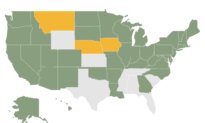
So far, there are five confirmed cases: three calves and a goat in Texas and a dog from neighboring Lea County, New Mexico. The dog had not traveled to Mexico or Texas, so authorities were investigating around the property where the pet lived.
The first two screwworm cases were discovered last week in calves a few miles apart in south Texas. A case was announced Monday in a calf in La Salle County, southwest of San Antonio, and in a goat in Gillespie County, west of Austin.
In each case, officials have set up a 12-mile quarantine zone to slow the parasite’s advance in the United States.
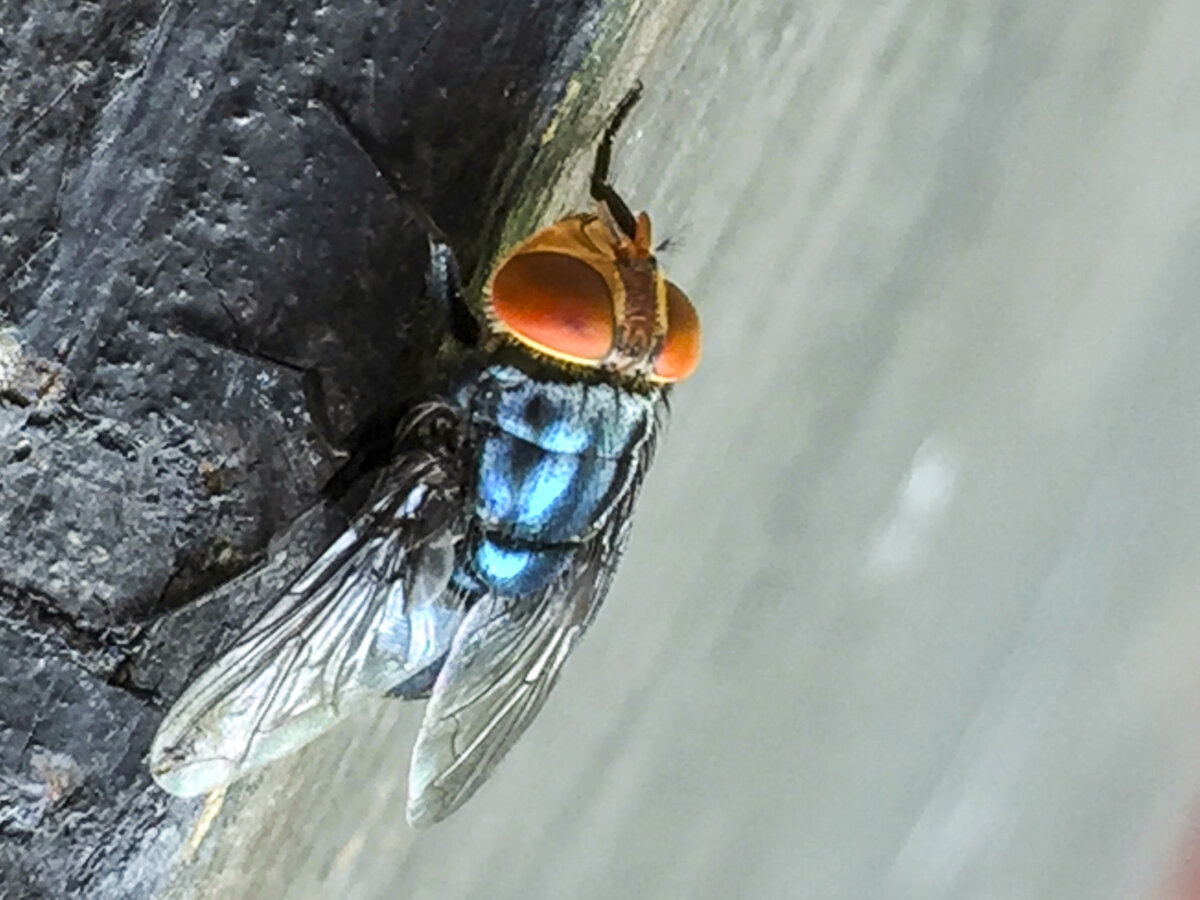
Screwworm gets its name from the maggots’ habit of burrowing into a wound, according to the USDA. The pest eats the flesh of the animal, further opening wounds and increasing the risk of deadly bacterial infections. Animals can die within a few weeks if not treated. There are a dozen government-approved medications to treat livestock.
USDA officials said the parasite can pose “a serious threat to livestock, pets, wildlife, and in rare cases, people,” and it can create “significant economic harm if not detected and treated quickly.”
In a news release on June 8, Abbott said that ranchers, livestock owners, and others should check their animals on a daily basis, treat wounds quickly, and take steps to reduce the screwworm fly population.
The Associated Press contributed to this report.
 Friends Read Free
Copy
Facebook
Tweet
Friends Read Free
Copy
Facebook
Tweet