
The White House on Sunday signaled it is waiting for the courts to issue guidance on whether tariff-related refunds are to be sent out after the U.S. Supreme Court struck down a number of the administration’s import levies last week.
In an interview on Sunday with ABC News, U.S. Trade Representative Jamieson Greer was asked about the Trump administration’s plans.
“Well, we need the court to tell us what to do. They’ve created a situation where they struck down the tariffs and gave zero guidance on this,” Greer told “This Week.” “Historically, you know, as a trade attorney, in my experience, courts will normally give you some instruction on what to do, when.”
In a 6–3 ruling on Feb. 19, the Supreme Court did not provide guidance on whether the Trump administration would need to provide refunds, and if so, if the repayments should be sent to companies or countries. The ruling stated that the imposition of the tariffs under the 1977 International Emergency Economic Powers Act (IEEPA) were unconstitutional, after President Donald Trump last year used the law to impose import duties on trading partners.
In a dissenting opinion, Justice Brett Kavanaugh chided the justices who formed the majority opinion for dodging the refund issue, writing, “The Court says nothing today about whether, and if so how, the Government should go about returning the billions of dollars that it has collected from importers.”
Greer on Sunday said that a lower court, such as the Court of International Trade, will likely “have to step in and give some direction on how they want that to be done, if at all; whether plaintiffs had to have made the claim or not.”
Last year, the trade court ruled against the tariffs, ultimately prompting the administration to appeal to the Supreme Court.
“We just need to have guidance from the court,” he said.
Also on Sunday, Treasury Secretary Scott Bessent was asked in an interview with CNN about what the administration plans to do in light of the Supreme Court’s decision, including on whether any refunds are being considered. The U.S. government collected $133 billion in IEEPA tariffs as of mid-December 2025.
“The Supreme Court didn’t even address that,” Bessent said, referring to the refunds. “The Supreme Court remanded it down to a lower court. And, you know, we will follow what they say, but that could be weeks or months when we hear them,” the secretary said.
Refunds are “not up to the administration, it is up to the lower court, let’s just be clear on that,” Bessent said.
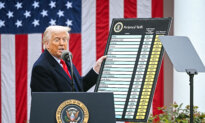
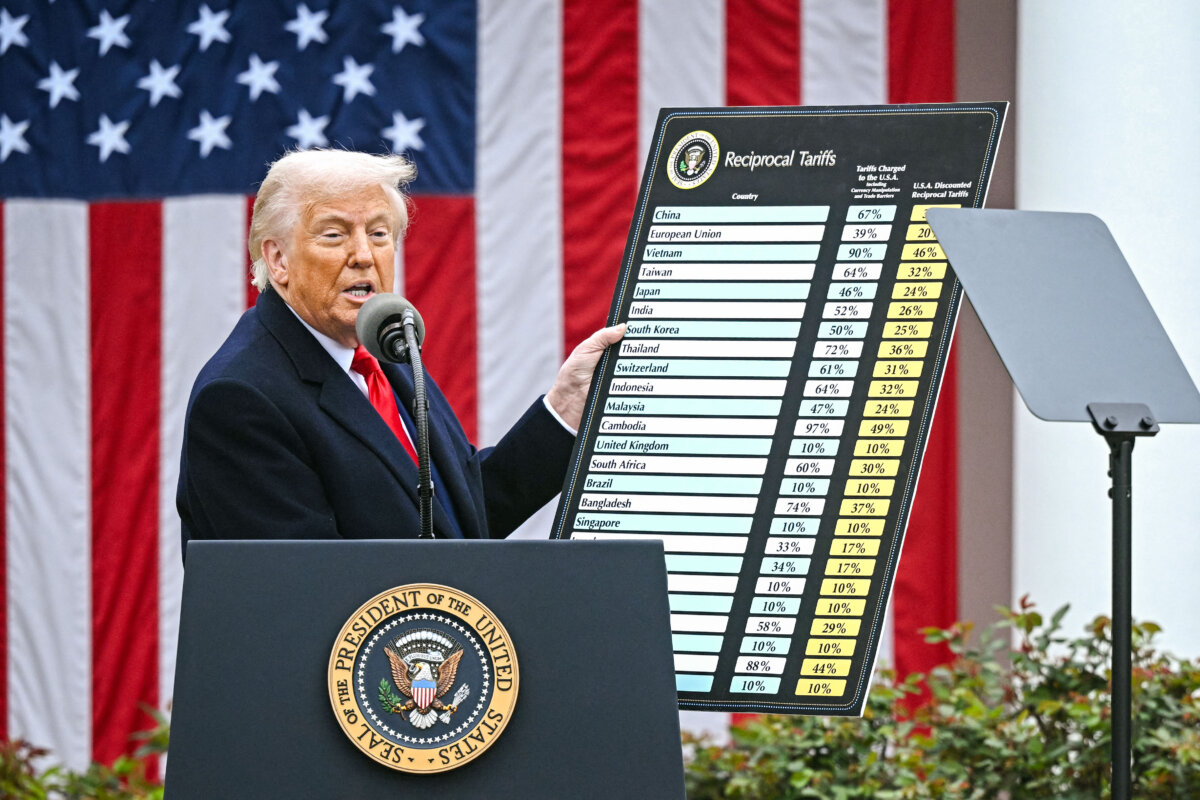
Hours after the Supreme Court ruling, Trump criticized the justices who ruled against his tariff policies and said that he has other legal authorities available on which to base his tariff policies. Trump also announced he was imposing tariffs under a separate law, raising the duties to 15 percent.
“I have the right to do tariffs, and I’ve always had the right to do tariffs,” Trump said at the news conference, adding that he doesn’t need Congress.
The Supreme Court’s ruling arose from a lawsuit filed by a number of companies, including Costco, Revlon, and canned seafood and chicken producer Bumble Bee Foods, who sought to obtain refunds of tariff payments from the government.
The Associated Press contributed to this report.
 Friends Read Free
Copy
Facebook
Tweet
Friends Read Free
Copy
Facebook
Tweet