
Four Canadians are included among the 149 passengers on a luxury cruise ship in the Atlantic Ocean where a rodent-borne illness is suspected of causing the deaths of three passengers and sickening others.
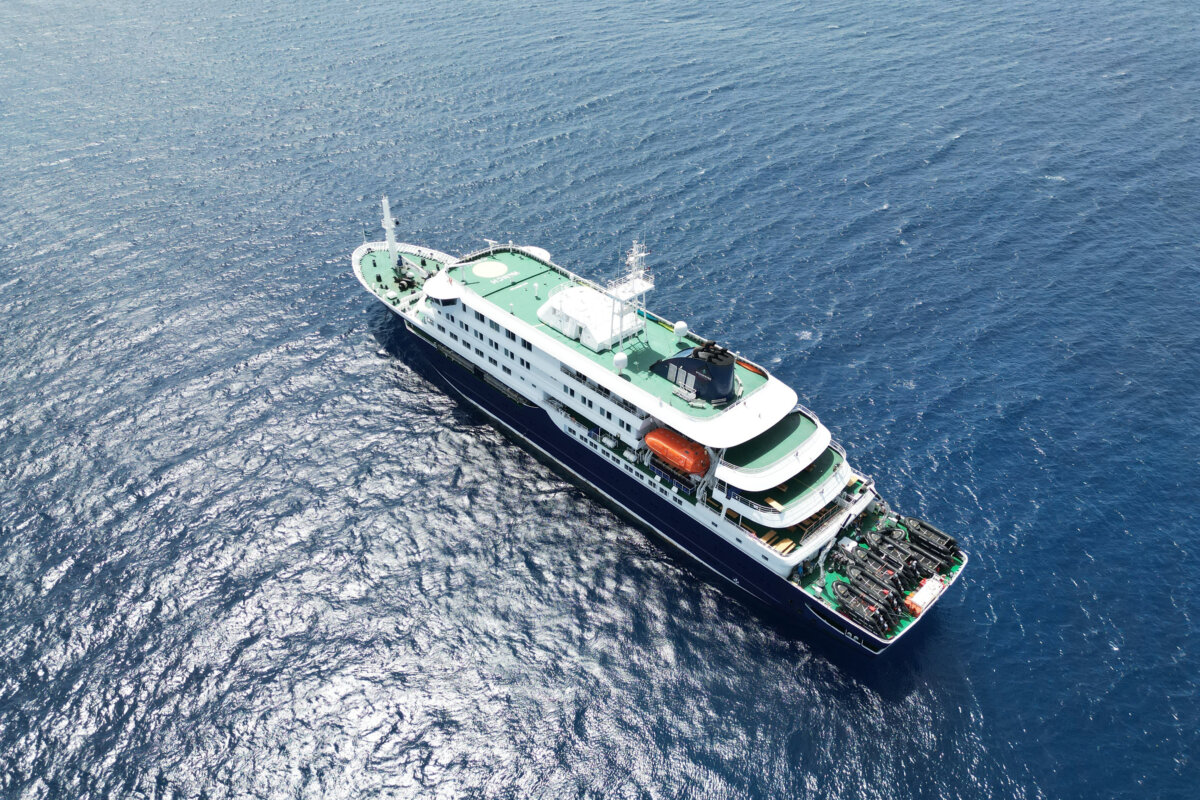
Seven cases of hantavirus have been identified by the World Health Organization (WHO) onboard an Oceanwide Expeditions vessel moored off the coast of Cape Verde in western Africa.
Two of the seven cases have been laboratory confirmed, and the remaining five are also suspected to be caused by the virus, the WHO said in a May 4 statement.
A Dutch couple and a German national have died and one critically ill patient is in the intensive care unit in Johannesburg, the WHO said. The organization said three additional individuals are reporting mild symptoms. None of the Canadian passengers appear to be among the sick.
Oceanwide Expeditions said precautions such as “isolation measures, hygiene protocols and medical monitoring,” have been implemented on board its ship—the MV Hondius—to address the suspected hantavirus outbreak.
“The disembarkation of passengers, medical evacuation and medical screening require permission from, and coordination with, the local health authorities,” the Netherlands-based cruise operator said in a May 4 press release. “Local health authorities have visited the vessel and assessed the situation.”
The cruise company said two of its crew members have exhibited acute respiratory symptoms, one mild and one severe, and require urgent medical care. Neither has been medically evacuated at this time.
Oceanwide Expeditions did not mention a third individual still onboard falling ill, but the WHO confirmed during a May 5 press conference that another person was exhibiting symptoms.
The cruise line is currently working with the WHO, the National Institute for Public Health and the Environment, local authorities, relevant embassies, and the Dutch Ministry of Foreign Affairs to determine what comes next, the company said.
“At the same time, preparations are being made for possible medical repatriation and next steps,” Oceanwide Expeditions said. “The option of sailing on to Las Palmas or Tenerife are being considered to be the gateway for disembarkation, where further medical screening and handling could take place.”
What Is Hantavirus?
Hantavirus is a respiratory virus transmitted to humans primarily through contact with infected rodent urine, droppings, or saliva. Human hantavirus infection is rare, but the disease is severe and can be deadly.
Most strains of the virus do not spread through person-to-person contact. The exception to the rule is the Andes virus, a specific species of hantavirus that is transmitted mainly by the long-tailed pygmy rice rat found in South America.
The WHO noted that the ship began it voyage in Ushuaia, Argentina, on April 1 and followed an itinerary across the South Atlantic, with multiple stops in ecologically diverse regions, such as mainland Antarctica, South Georgia, Nightingale Island, Tristan da Cunha, Saint Helena, and Ascension Island.
WHO’s chief of epidemic and pandemic preparedness and prevention Maria Van Kerkhove told reporters May 5 that “some human-to-human transmission” likely occurred among “really close contacts” like the Dutch husband and wife who were the first two patients to die.
She said officials believe they were not infected on the vessel, noting that people have been taking trips off board, such as bird watching expeditions, and that the cruise stopped at multiple islands off the African coast, including islands with “a lot of rodents.”
“There could be some source of infection on the islands as well for some of the other suspect cases,” she said.
Van Kerkhove noted that the risk to the general public is low, adding that the virus does not spread like the flu or COVID.
The two most common diseases caused by a hantavirus infection are hantavirus pulmonary syndrome, which is found in North and South America, and haemorrhagic fever with renal syndrome, found mainly in Europe and Asia.
Symptoms of hantavirus pulmonary syndrome manifest within one to six weeks of being exposed to the virus. They can include tiredness, dizziness, fever and chills, muscle aches and headaches, nausea and vomiting, stomach pain, and coughing. Shortness of breath and extreme difficulty in breathing are common in severe cases.
The WHO said those who became ill on the ship developed a fever and gastrointestinal symptoms, with a “rapid progression to pneumonia, acute respiratory distress syndrome and shock.”
Health Canada’s website says there are currently no treatments available for hantavirus, although care is given to treat symptoms. Helping patients to stay hydrated and maintain oxygen levels is key, the agency said.
“About 40 percent of those diagnosed with hantavirus pulmonary syndrome will not recover from their illness,” Health Canada said. “The sooner you get treatment, the better your chances for recovery.”
Illness Timeline
People began to fall ill aboard the ship between April 6 and 28, according to the WHO.
A 70-year-old Dutch man was the first to become sick. He developed symptoms of fever, headache, and mild diarrhea on April 6 and died on April 11 after developing respiratory distress.
His body, accompanied by his wife, was taken off the vessel on the British territory of Saint Helena on April 24.
His 69-year-old wife collapsed at a Johannesburg airport in South Africa while awaiting her husband’s repatriation. She died at a nearby hospital on April 26. The WHO said her case was confirmed as the hantavirus infection on May 4.
A seriously ill British man was taken off the ship on April 27 to receive treatment in a Johannesburg hospital, where he later tested positive for a variant of hantavirus. He is currently in intensive care, and is in a critical, but stable condition, according to Oceanwide Expeditions.
A German woman died aboard the ship on May 2 after becoming unwell on April 28. The passenger initially had a fever and felt unwell but was exhibiting symptoms of pneumonia before her death, the WHO said.
Passengers are being urged to practice maximal physical distancing and remain in their cabins whenever possible, the health agency said.
As passengers wait for permission to disembark, detailed investigations including “further laboratory testing, and epidemiological investigations” are ongoing, the WHO said.
In the meantime, Oceanwide Expeditions is in “close contact with those directly involved and their families,” the company said.
“We understand the considerable interest and concern and will share new information as soon as it has been verified.”
Reuters and Zachary Stieber contributed to this report.
 Friends Read Free
Copy
Facebook
Tweet
Friends Read Free
Copy
Facebook
Tweet