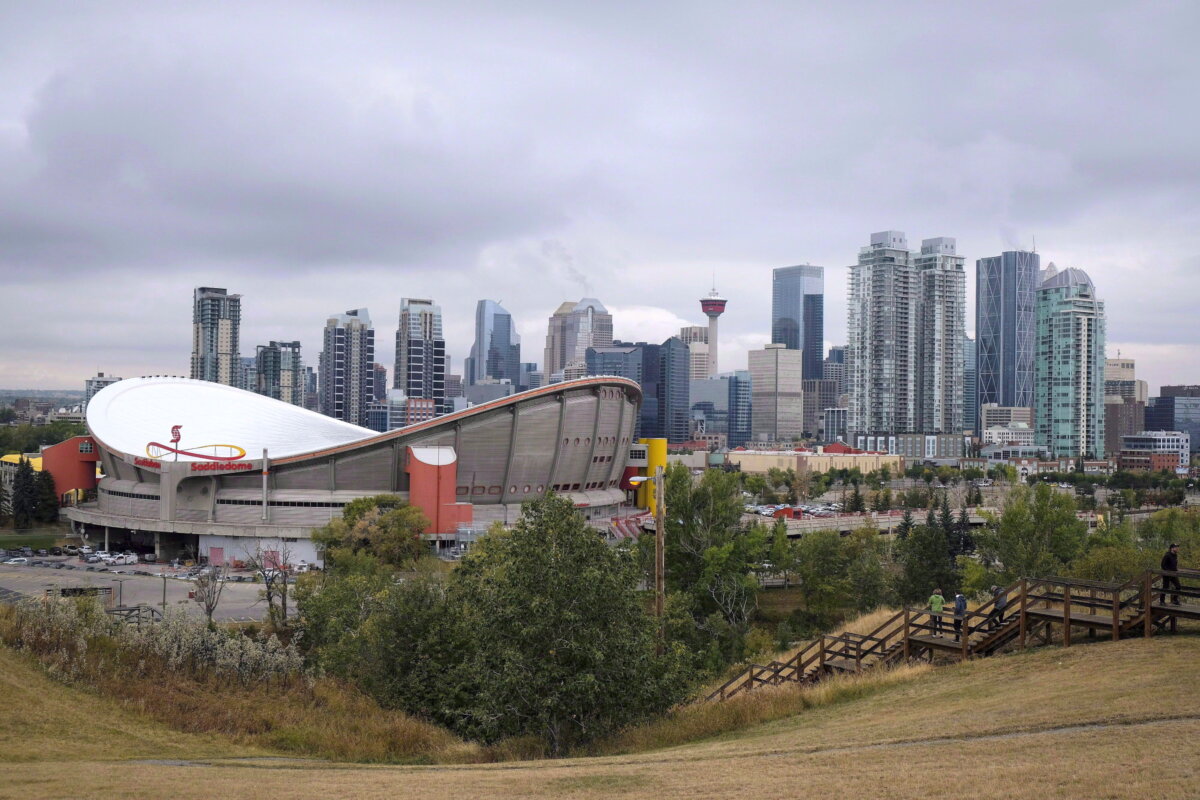

Calgary homeowners will pay a combined 8.1 percent increase in property taxes this year, mostly due to an increase in the provincial portion of taxes.
The rate includes a 1.2 percent hike in the municipal portion for both residential and non-residential properties, and a 19.8 percent increase in the provincial portion for residential properties, according to Calgary City Council data. The province will levy an 8.8 percent increase on non-residential properties.
The rise in the provincial portion of property taxes is due to a province-wide increase in the education property tax requisition, which is calculated based on municipal property values and which helps fund public education in Alberta. The share of province-wide education operating costs funded through the property tax is set to rise from 31.6 percent in the 2025–26 fiscal year to 33.4 percent in 2026–27.
Based on a median home value of $706,000 in 2026, this increase would translate to $387 higher property taxes per homeowner for the year, with $338 of that going to the province and $49 going to the city, the City Council website says.
The increase represents the second consecutive year that the provincial property tax rate has been raised by more than 10 percent, following a 15.6 percent increase—or $218 for a median-value property—in 2025.
The provincial government said the increase “will enhance Alberta’s ability to fund school operations, leading to better educational outcomes as student enrolment continues to grow.”
Calgary Mayor Jeromy Farkas has been outspoken against the provincial hike, adding that the City Council had worked to rein in spending.
“Our City Council team did the hard work. We lived within our means, we spent responsibly, and to see that massive increase in property taxes due to provincial government decisions—it’s extremely jarring,” he said during a press conference on March 31.
 Friends Read Free
Copy
Facebook
Tweet
Friends Read Free
Copy
Facebook
Tweet