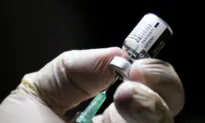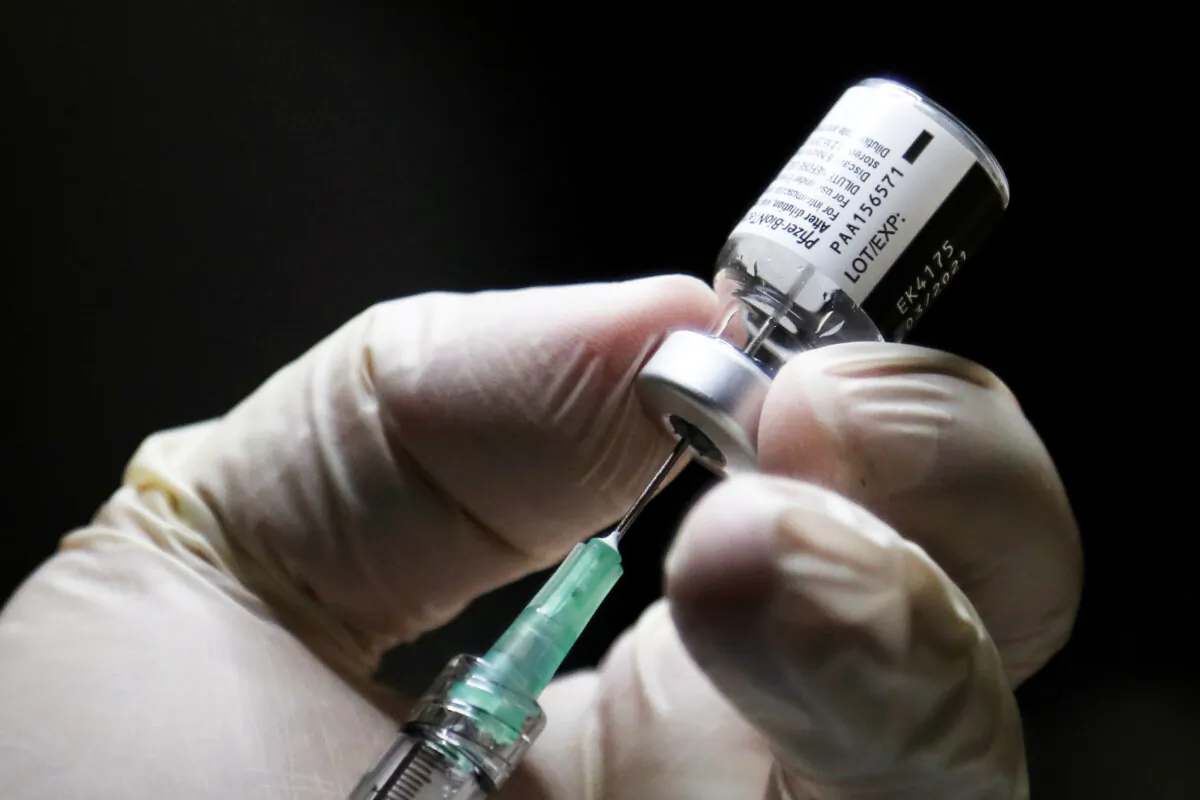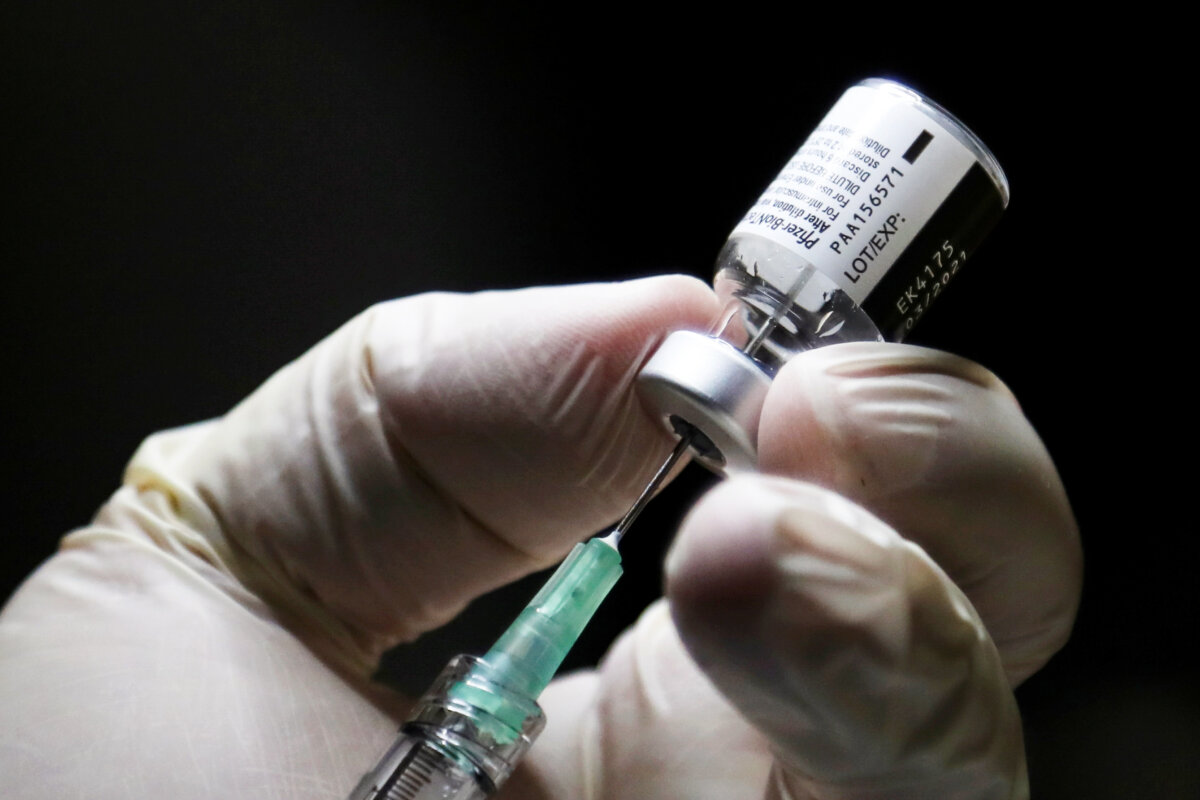

Conservative MPs on a federal health committee are calling for a special summer meeting within five days to review the Vaccine Injury Support Program (VISP) after a report raised concern about its efficiency.
A July 14 letter addressed to Liberal MP Hedy Fry, who serves as the chair of the House of Commons health committee, references reporting from Global News that found more than 1,700 of the 3,100 claims submitted to VISP remain unresolved.
The MPs also noted that although the company Oxaro was awarded a $50.6 million contract to administer the program, $33.7 million has been earmarked for administrative fees and only $16.9 million was allocated as compensation to Canadians.
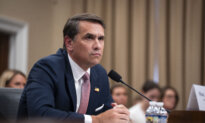
“This is more than mismanagement. It appears to be a blatant misuse of tax dollars,” reads the letter from Conservative MPs Dan Mazier, Burton Bailey, Helena Konanz, and Matt Strauss.
The letter says there was no “clear indication” that Oxaro had the health care and health-related claims experience necessary to be awarded the VISP contract that was launched in June 2021. Global News also reported that several employees had concerns with both the operations and professionalism in the workplace, it noted.
“Whistleblowers have revealed a workplace that sounds like a fraternity house rather than a professional organization responsible for administering health-related claims,” the letter said, citing employee reports of workplace drinking, ping-pong games, and Netflix watching.
The MPs questioned why the Liberals chose to award the contract to a separate company when they could have built it off an existing model. They noted that Quebec has had its own vaccine injury compensation program since 1985.
They also asked why Global News’ investigation revealed that the Public Health Agency of Canada coordinated responses to the media with Oxaro, despite the company being an independent third-party administrator.
Strauss added on the X social media platform that since consultants had taken $35 million to process just 1,400 claims, they had spent roughly $25,000 per case. Strauss, who was previously the acting medical officer of health for Haldimand and Norfolk, said he did similar work on adjudicating adverse vaccine events for public health records.
“I would estimate that an individual case would take me [about] $200 of professional time,” he said. “Charging 100x this amount per case suggests something worse than mere incompetence.”
A total of 3,317 claims have been received by VISP as of June 1. While 2,699 of those were admissible, 266 are pending eligibility, and 352 were rejected.
A total of 234 claims have been approved and are eligible for payment, while 420 Canadians have submitted appeals after their claims were rejected.
Canadians Speak Out About VISP
Several Canadians expressed their frustrations to The Epoch Times in 2024 regarding the VISP program, citing prolonged wait times, inadequate communication with staff, and insufficient or non-existent payouts for their injuries.
One Canadian who was diagnosed with myocarditis from the COVID-19 vaccine said VISP is underfunded and staffed by a limited number of employees who were overwhelmed by the number of applicants. He said the payout he received from VISP was not enough to cover a year’s worth of medical expenses.
Another VISP applicant who was diagnosed with Guillain-Barré syndrome told The Epoch Times that communication was poor and he knew of six other people going through the program who had similar experiences.
A third Canadian who was diagnosed with a neurological disorder following the vaccine said she went through three case workers who were “dismissive and rude,” and was frustrated with the months-long wait times.
A VISP spokesperson previously told The Epoch Times in a statement that the timelines for deciding the eligibility of vaccine-injured Canadians is determined by the complexity of the claim, noting that they are all verified by medical experts. If claimants disagree with the decision reached, a separate panel of experts will re-examine the claim, the spokesperson said.
There were 11,702 “Adverse Events Following Immunization Reports” for COVID-19 vaccines that were deemed “serious,” according to Health Canada data last updated in January 2024. An additional 47,010 were deemed “non-serious.”
 Friends Read Free
Copy
Facebook
Tweet
Friends Read Free
Copy
Facebook
Tweet