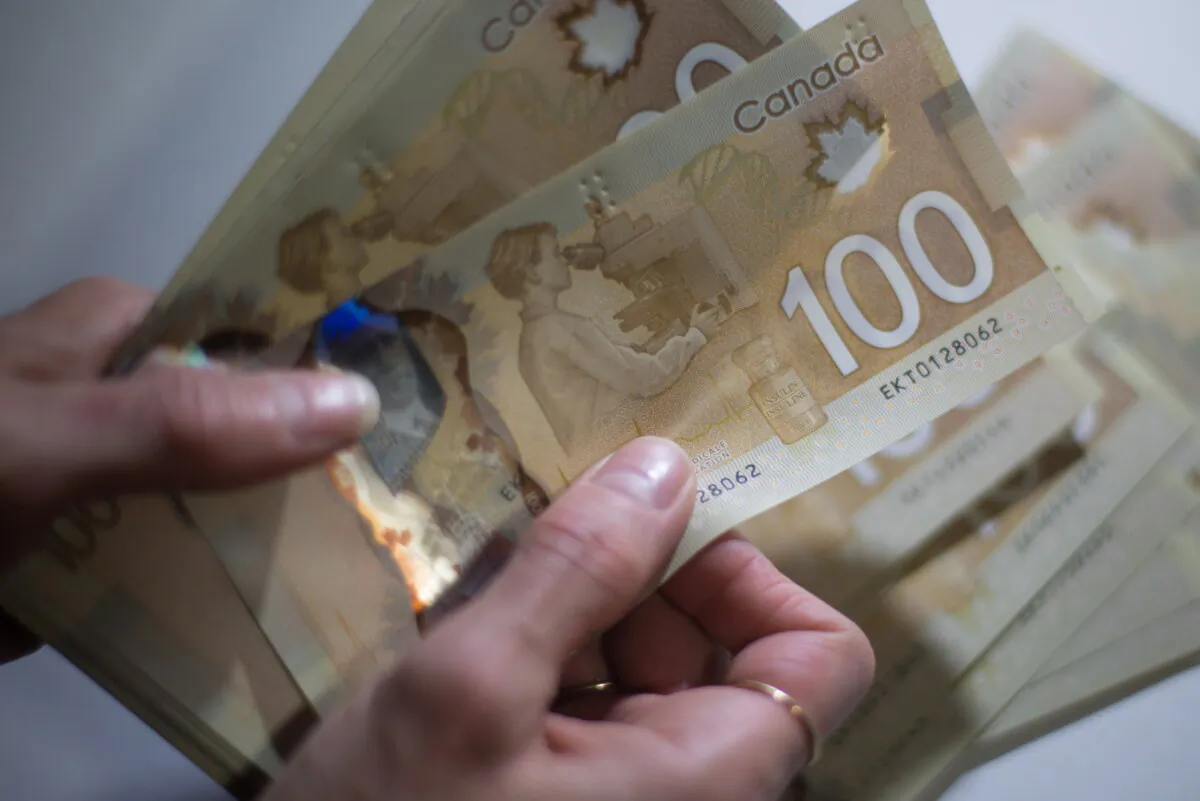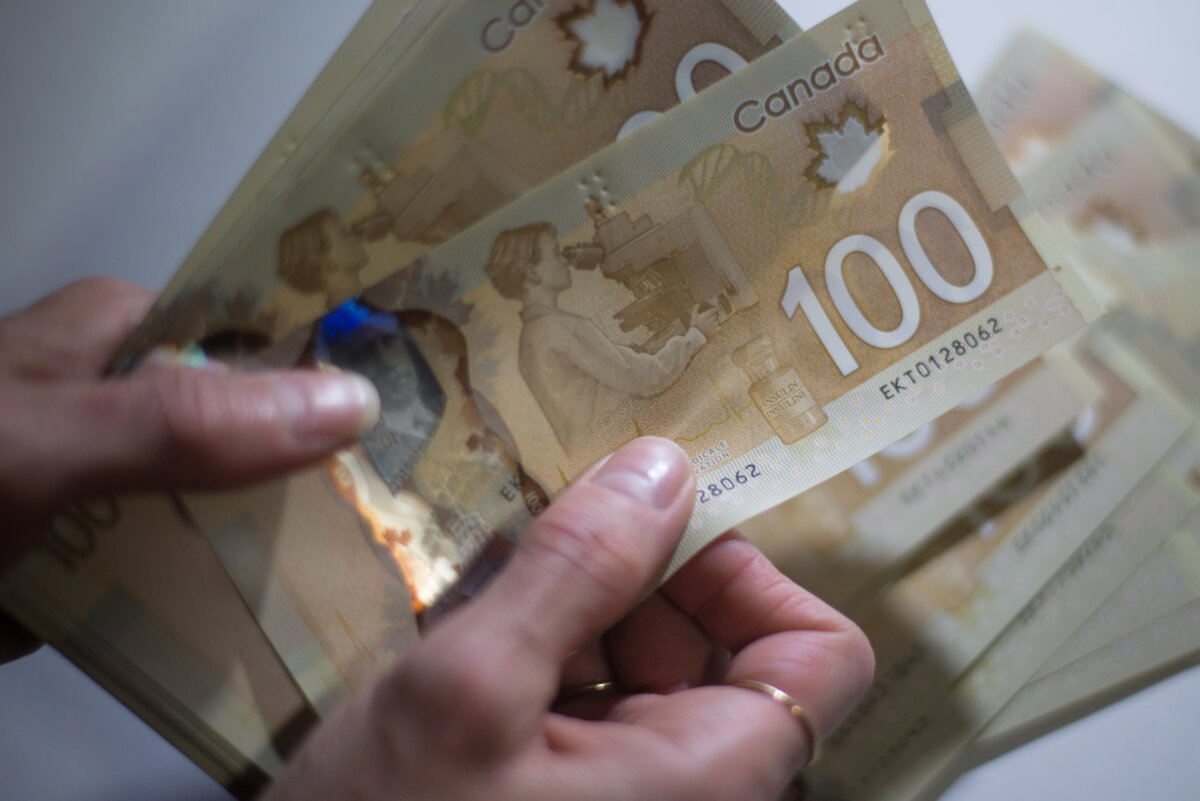

A 2009 change to the equalization program meant to control costs has instead led to a $10.5 billion increase in payments since 2018, according to a new study.
A “design flaw” in the federal program increases transfers to provinces such as Ontario, Quebec, and Nova Scotia every year even if their need for them decreases, according to a new report from the Fraser Institute.
This means that, since 2018, the “have-not” provinces have received approximately $10.5 billion more in equalization payments than they would have under a formula that adjusts to actual differences in provincial revenues, the report said. The result is that provinces including Alberta, British Columbia, and Saskatchewan shoulder more of the burden.
The equalization program is designed to transfer money to provinces that have a below-average ability to raise revenue. The government has described it as a way to ensure all provinces can provide reasonably comparable public services at similar tax levels. It’s funded by federal tax revenue and is meant to enable recipient provinces to deliver services such as health care and education without imposing prohibitive tax rates.
A formula known as the fixed growth rate (FGR) rule introduced into the program in 2009 resulted in the increase, according to Fraser Institute senior fellow and report co-author Ben Eisen.
The FGR rule requires an increase to the total size of the equalization program each year in line with economic growth. This means the overall pool of money must get bigger regardless of the circumstances. Payments rise even when recipient provinces become more similar in revenue-generating abilities and require less support.
“Canada’s equalization program should shrink when the ability of provinces to raise revenues—particularly between so-called have and have-not provinces—moves closer together,” Eisen said in a press release. “But instead, because of a design flaw, the program’s costs are required to grow every year.”
Alberta, Saskatchewan, and British Columbia do not receive equalization payments, but contribute significantly to the federal tax base that funds the program.
Equalization payments make up very different shares of revenue of recipient provinces, ranging from 0.2 percent in Ontario, and 1.7 percent in Newfoundland and Labrador, to 8.4 percent in Quebec, 19.3 percent in Manitoba, 20.5 percent in Nova Scotia, 20.7 percent in Prince Edward Island, and 23.6 percent in New Brunswick.
The report emphasized that more than 10 percent of the costs associated with the equalization program were due to increased payments resulting from a flaw in three separate years since 2018.
“There are a lot of interesting ideas for making equalization fairer and more responsive to changing fiscal and economic conditions, but as long as the program is required to keep growing, there are real limits to their potential effectiveness,” Eisen said. “In order to make real equalization reforms possible, policymakers will first have to fix the growth requirement flaw.”
Ottawa’s equalization program has been a persistent target of criticism in Alberta because contributions from the energy-rich province make up a large share of payments made to other provinces.
Alberta Premier Danielle Smith called on Ottawa to overhaul the equalization program last year, saying Alberta is propping up other provinces while receiving nothing in return. She has advocated for Alberta to receive the same per-capita federal transfers under the equalization payment program as Canada’s other large provinces.
Saskatchewan Premier Scott Moe has also been vocal about the issue, saying in a social media post last December that the equalization formula “disincentivizes economic growth.”
The post was accompanied by a map of Canada showing how much each province could expect to receive in fiscal 2026-2027. Saskatchewan, Alberta, and B.C. are not scheduled to receive any money under the program while Quebec is slated to receive the highest equalization payment, at $13.9 billion.
Manitoba will receive the second-highest payment, at approximately $5 billion, followed by Nova Scotia at $3.5 billion, New Brunswick at $3.3 billion, Prince Edward Island at $723 million, Ontario at $406 million, and Newfoundland and Labrador at $182 million.
Canada’s western provinces have not received any funding in the past 10 years, but all provinces have received equalization payments at one point or another since the program was implemented nearly 70 years ago.
 Friends Read Free
Copy
Facebook
Tweet
Friends Read Free
Copy
Facebook
Tweet