
Israel and the United States are discussing the possibility of a short ceasefire with Hezbollah in Lebanon, Israeli officials said, even as fighting continued on April 15 and Israeli leaders prepared to review the next phase of the campaign.
Senior officials in Jerusalem told Epoch Magazine Israel that the option under consideration is a ceasefire lasting about one week, potentially aligning with the current pause in fighting between Iran and Israel and the United States. They stressed that no decision has been made.
Israeli Prime Minister Benjamin Netanyahu is expected to convene his security Cabinet on April 15 to discuss military operations in Lebanon, the officials said.
The deliberations come a day after U.S. Secretary of State Marco Rubio hosted Israeli and Lebanese ambassadors in Washington for rare direct talks, the first publicly acknowledged meeting of its kind in decades. The U.S. State Department said the discussions were constructive but yielded no immediate agreement.
“All sides agreed to launch direct negotiations at a mutually agreed time and venue,” the department said in a readout.
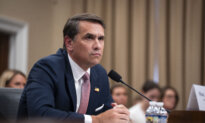
Rubio said the talks were aimed not only at ending hostilities but also at weakening Hezbollah, the Iran-backed group that Washington has designated as a terrorist organization.
“This is about bringing a permanent end to 20 or 30 years of Hezbollah’s influence in this part of the world,” Rubio said ahead of the meeting, describing the effort as a process rather than a single event.
Fighting Persists as Israel Pressures Hezbollah
Despite the diplomatic push, Israel’s public messaging has remained firm. Israeli government spokesperson David Mencer said there were no direct ceasefire discussions with Hezbollah itself.
“There is no ceasefire discussion with Hezbollah; a terrorist organization that continues to fire indiscriminately at Israeli civilians is not a partner for diplomacy,” Mencer said in an April 15 briefing. “Indeed, it is the central obstacle to it.”
Mencer said that the broader objective of the talks was to disarm Hezbollah and dismantle its infrastructure to create conditions for lasting peace between Israel and Lebanon.
“The next discussions will take place … brokered by the State Department and Marco Rubio,” Mencer said.
Despite the diplomatic push, hostilities showed no immediate sign of easing.
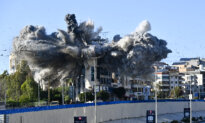
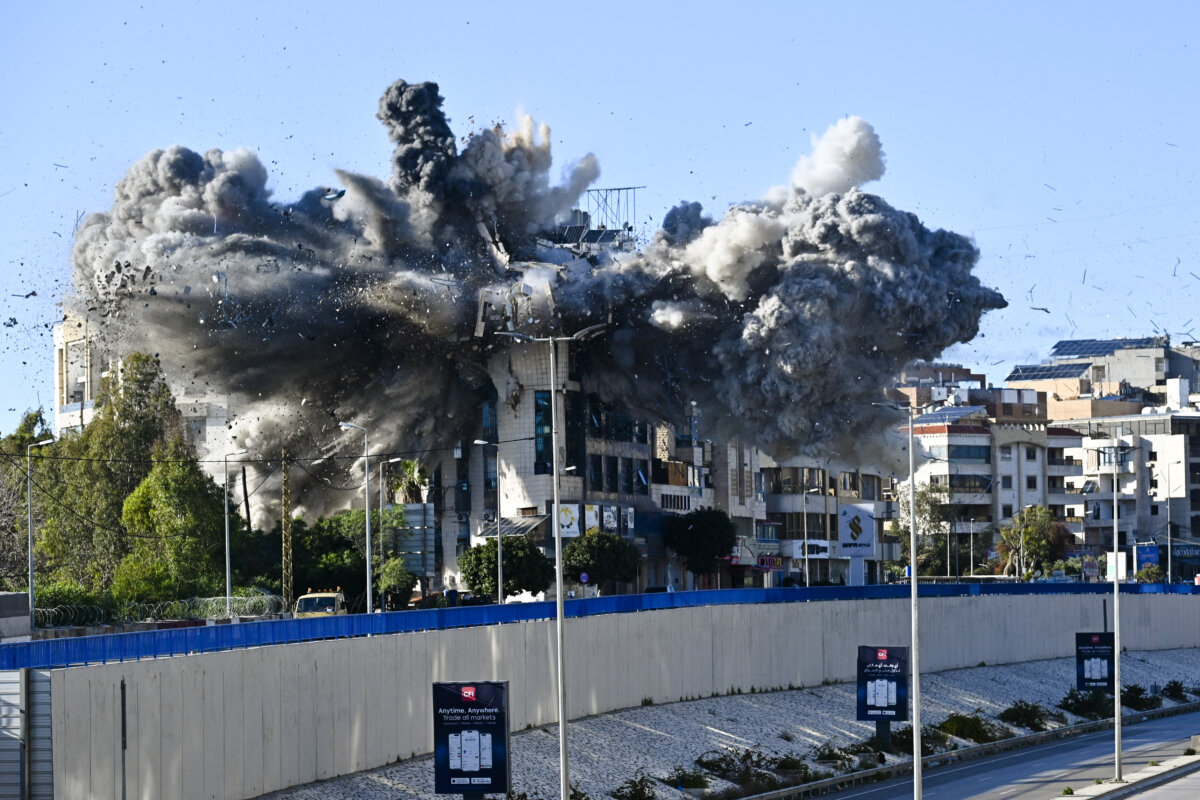
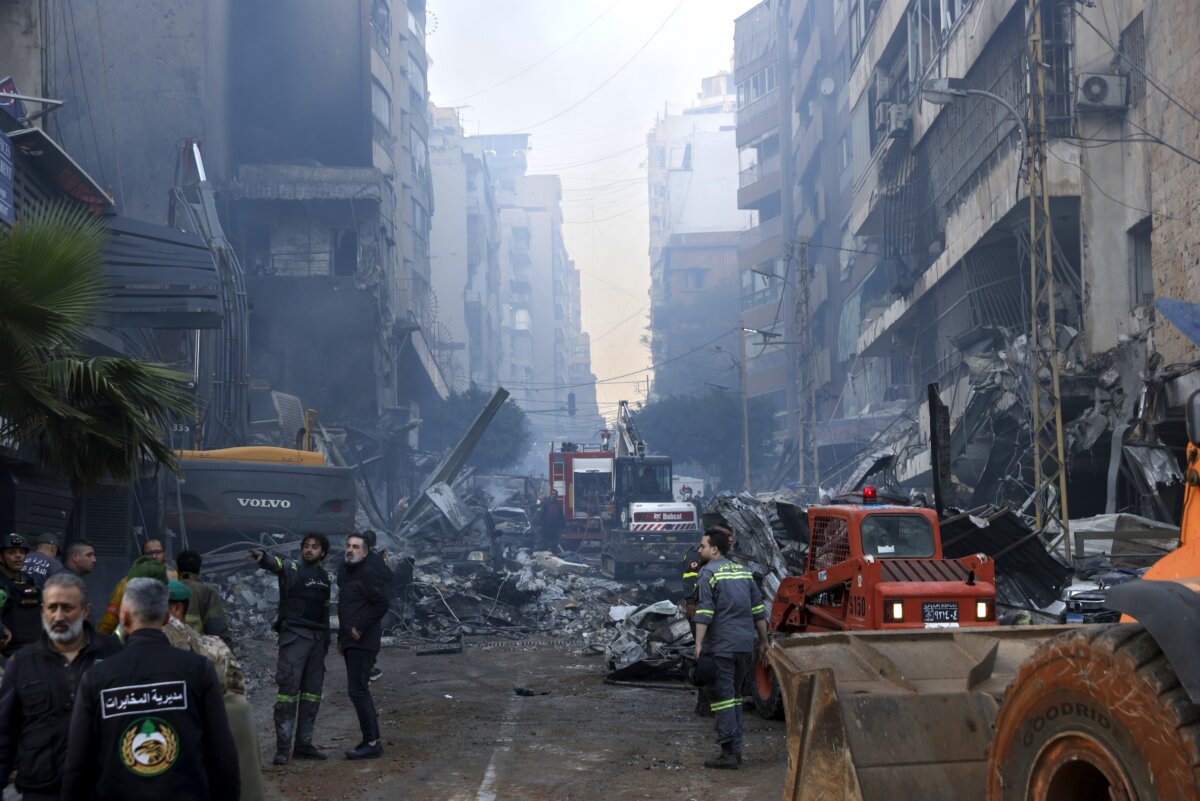
Plumes of smoke were seen rising over southern Lebanon on April 15, and there were reports of explosions and gunfire as clashes continued. Mencer said Hezbollah had fired 40 rockets into northern Israel earlier in the day.
Israel’s offensive in Lebanon began on March 2 after Hezbollah carried out attacks in support of Iran following U.S.–Israeli strikes on Iranian targets.
Lebanese authorities say more than 2,000 people have been killed and about 1.2 million displaced since then. The Epoch Times is unable to verify the figures.
The conflict in Lebanon has become increasingly entangled with the broader regional war. U.S. President Donald Trump has suggested that the Iran conflict could end soon and has urged Israel to scale back strikes in Lebanon to avoid undermining a fragile ceasefire with Tehran.
Iran has insisted that any broader agreement must include an end to Israel’s campaign against Hezbollah, while Washington has rejected linking the two tracks.
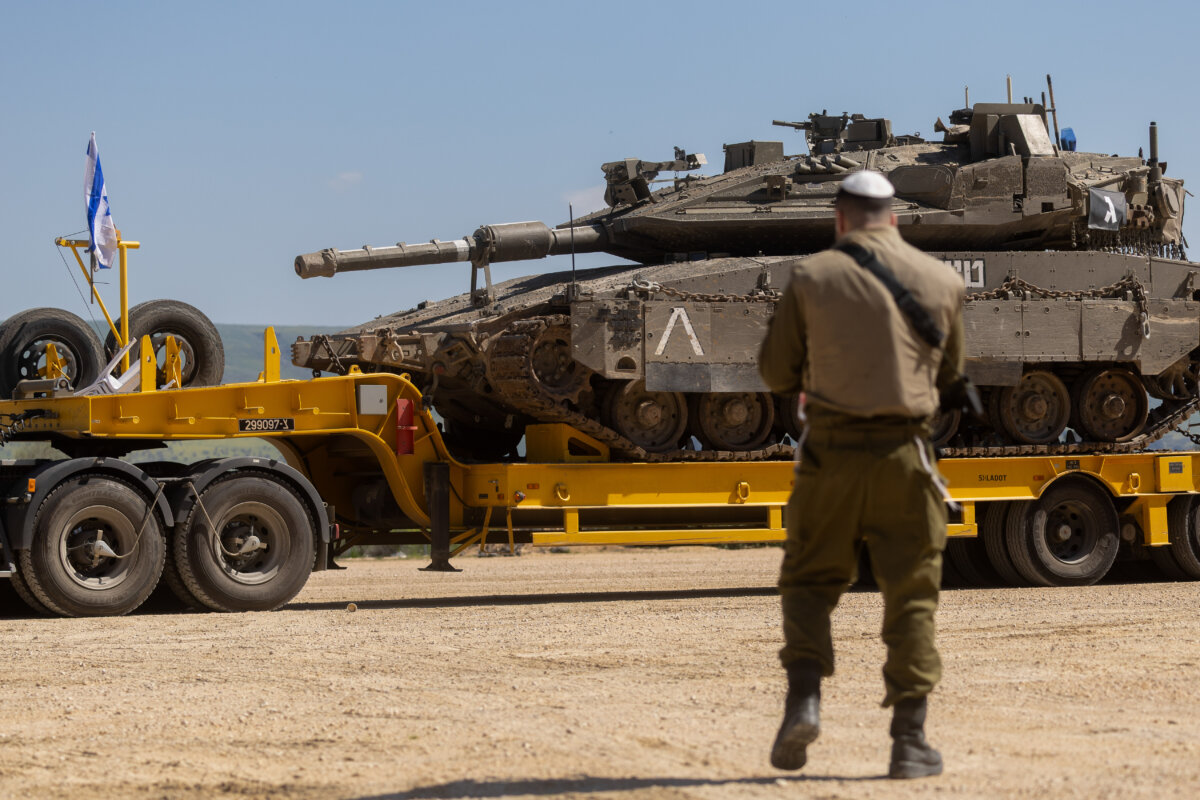
Israeli officials who spoke to Epoch Magazine Israel said that, at Washington’s request, the scope of Israeli strikes has been reduced in recent days by largely confining operations to southern Lebanon and halting operations in Beirut.
In Lebanon, obstacles to diplomatic efforts were evident. Hezbollah on April 15 condemned Lebanon’s participation in talks with Israel as a “national sin,” suggesting that internal tensions within Lebanon persist over the path forward.
The U.S. State Department has described the negotiations as an opportunity to build on a November 2024 ceasefire between Israel and Lebanon and potentially expand it into a broader agreement, including reconstruction support for Lebanon’s struggling economy and investment opportunities for both countries.
Lebanese Ambassador to the United States Nada Hamadeh Moawad described the talks as constructive and called for a ceasefire, the return of displaced civilians, and increased humanitarian assistance.
Israeli Ambassador Yechiel Leiter said he was encouraged by what he described as shared opposition to Hezbollah, adding that the group had been weakened.
“This is the beginning of a very strong and fortified, consistent battle against Hezbollah,” Leiter said.
Ryan Morgan, Reuters, and The Associated Press contributed to this report.
 Friends Read Free
Copy
Facebook
Tweet
Friends Read Free
Copy
Facebook
Tweet