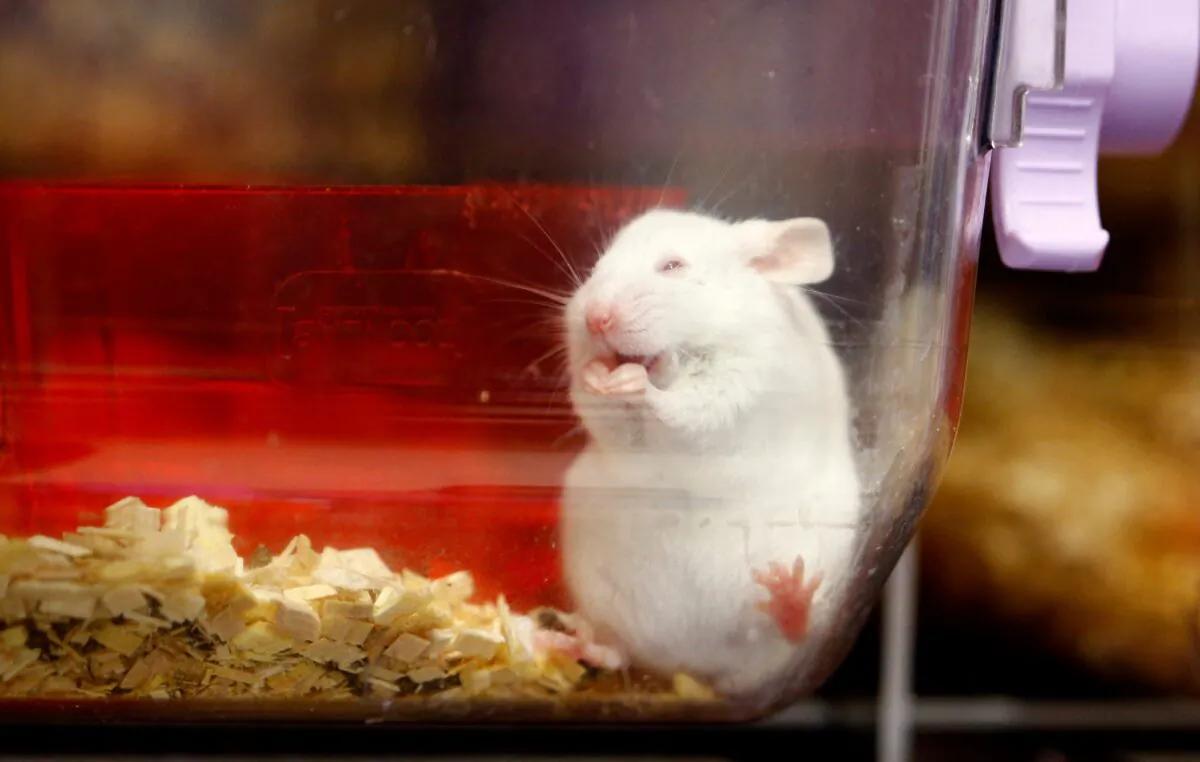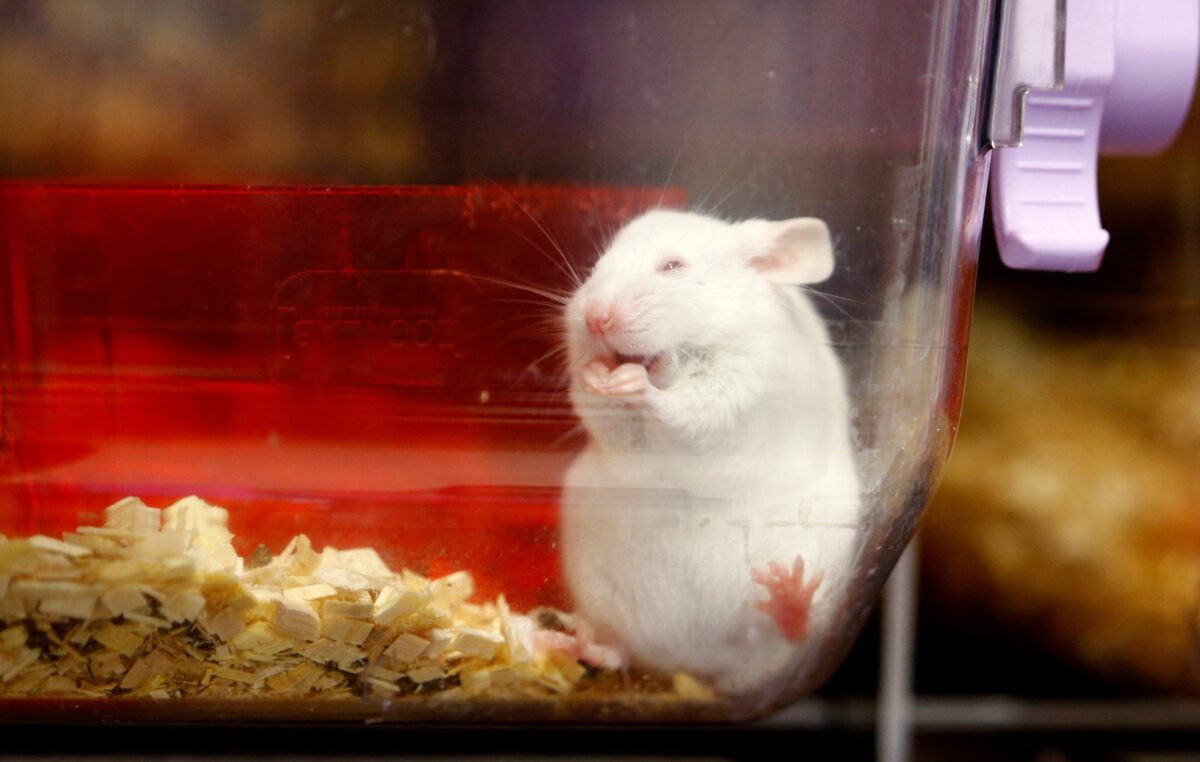

Humans may be luminous beings—literally—according to researchers at the University of Calgary who authored a new study.
Examining mice and plants, the researchers in a cross-disciplinary study found that tiny amounts of light are being emitted from living specimens as part of their metabolism. The study suggests all lifeforms, including human beings, have a similar “glow” that seems to diminish upon death.
Daniel Oblak, an associate professor at the University of Calgary with a Ph.D. in quantum optics, has in past research detected very weak light signals from his subjects. He studies quantum information and quantum communication. Christoph Simon, who holds a Ph.D. in physics and worked alongside Oblak, has an interest in quantum effects in biology.
Together, they pooled their expertise to look into biological systems. Four other researchers were also involved in the study.
This glow of living beings, they found, isn’t visible to the human eye. It’s far too miniscule. But by using special cameras they discovered “ultraweak photon emissions” from the bodies of living mice and plants under stress.
Although they found dead mice also emitted photons, live mice radiated considerably more. The researchers concluded this “glow” signifies the presence of life, and that other organisms, including plants, may also share this luminous quality.
The research team also found that the leaves of thale cress and dwarf umbrella trees emitted significantly more light when subjected to stress from heat or chemicals compared to when under less stressful conditions.
Although there is no evidence of photons being emitted by humans, Oblak said it’s likely. He said based on his findings, there is no reason to assume that some life forms radiate light while others do not. He likened the process to that of glow sticks, which when broken, mix two chemicals that cause a reaction. In the case of living beings, it’s a biochemical process associated with the energy they emit.
The photons detected in the lab may or may not be seen in the real world, Oblak adds—at least not using their present equipment. Several steps are still needed before they’ll know if real-world applications are possible.
If effective, though, detecting such light from lifeforms could conceivably help evaluate the health of plants such as crops, or even human tissues and organs.
The study, titled “Imaging Ultraweak Photon Emission From Living and Dead Mice and From Plants Under Stress,” was published in the May issue of the Journal of Physical Chemistry Letters.
 Friends Read Free
Copy
Facebook
Tweet
Friends Read Free
Copy
Facebook
Tweet