
The federal government is increasing the maximum penalty for airlines that violate passenger protection rules to $1 million, as part of broader reforms aimed at strengthening travellers’ rights.
The previous maximum penalty was $250,000, following an earlier increase from $25,000 as part of reforms introduced in the 2023 federal budget.
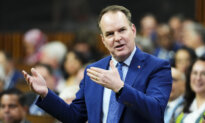
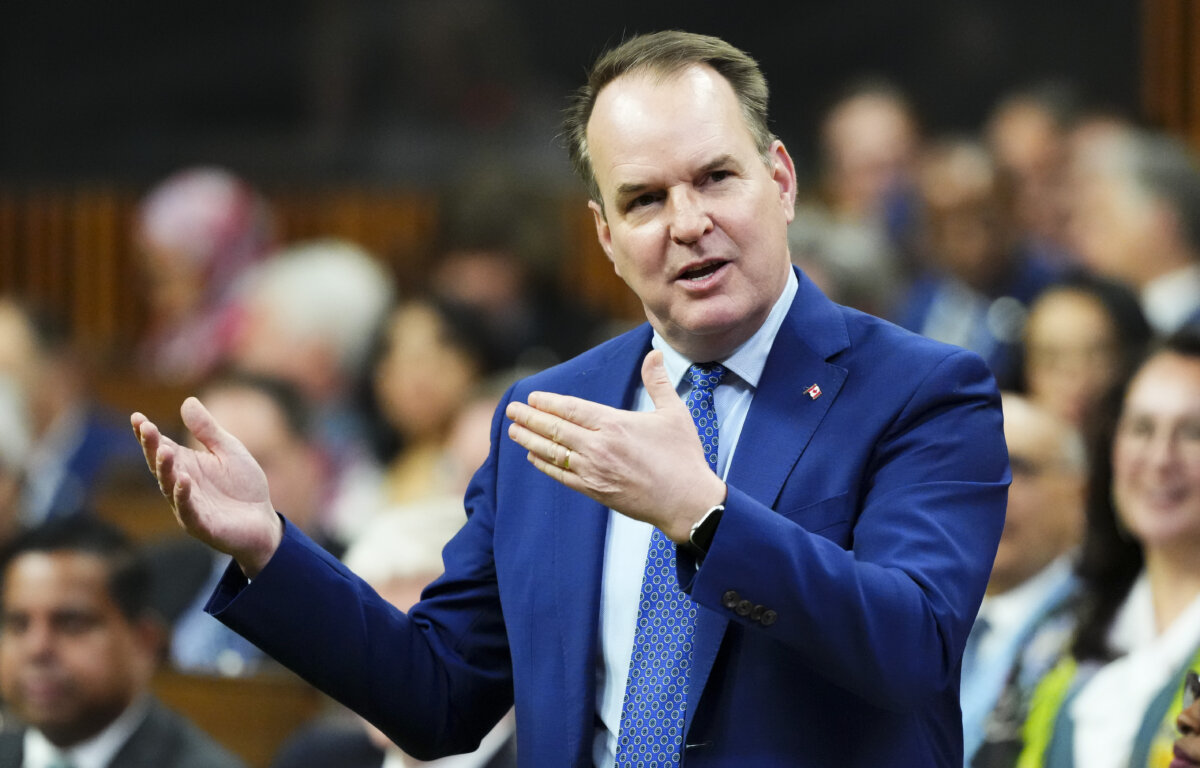
Transport Minister Steven MacKinnon told reporters in Ottawa on May 1 that the higher ceiling is intended as a deterrent, but would be used only as a last resort.
“When there is a clear breach, there should be a stiff penalty,” he said. “I’m pretty confident that airlines will want to live up to the expectations that we’ve set.”
The increase is part of a broader change that includes efforts to address a backlog of more than 97,000 air passenger complaints at the Canadian Transportation Agency, alongside work to modernize the complaints and enforcement framework.
The measures come alongside the spring economic update and form part of the government’s plan to upgrade Canada’s airport system. While the fiscal update outlines Ottawa’s intent to explore governance changes, alternative ownership models, and ways to attract more investment, MacKinnon emphasized that the process remains in its early stages and will involve consultations with industry stakeholders.
His remarks framed the update as setting out a policy direction rather than taking final decisions, while reinforcing that any reforms would be gradual and aimed at improving efficiency and the passenger experience.
In addition, MacKinnon said regulatory changes introduced in 2023 “did not work as planned.” He called the system overly complex, costly, and too slow to effectively resolve passenger claims. He noted that the framework was introduced during the pandemic, which contributed to delays and created additional compliance pressures for airlines.
“We put in place a system that, in hindsight, was onerous, expensive, and took too long,” he said.
Separately, the Canadian Transportation Agency (CTA) published proposed amendments to the Air Passenger Protection Regulations in December 2024 and held consultations through March 2025, though the final rules have not yet come into force.
Those amendments were aimed at stronger airline accountability, clearer compensation rules, faster refund timelines, and stricter disclosure requirements when claims are denied. Overall, the proposals are intended to reduce ambiguity around passenger rights and improve consistency in how disputes are handled.
MacKinnon said the government’s immediate focus would be on reducing the existing backlog of complaints while developing a simpler and more transparent regulatory framework with fewer exemptions and loopholes, aimed at improving outcomes for both passengers and airlines.
Under the proposed approach, Ottawa will address the backlog by engaging a neutral third-party dispute resolution organization that would apply private-sector expertise to resolve complaints. Once decisions are issued, airlines found at fault would be required to comply and settle cases quickly with customers. The government also plans to remove passengers’ obligation to maintain confidentiality in the complaints process in order to improve transparency.
 Friends Read Free
Copy
Facebook
Tweet
Friends Read Free
Copy
Facebook
Tweet