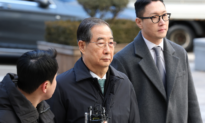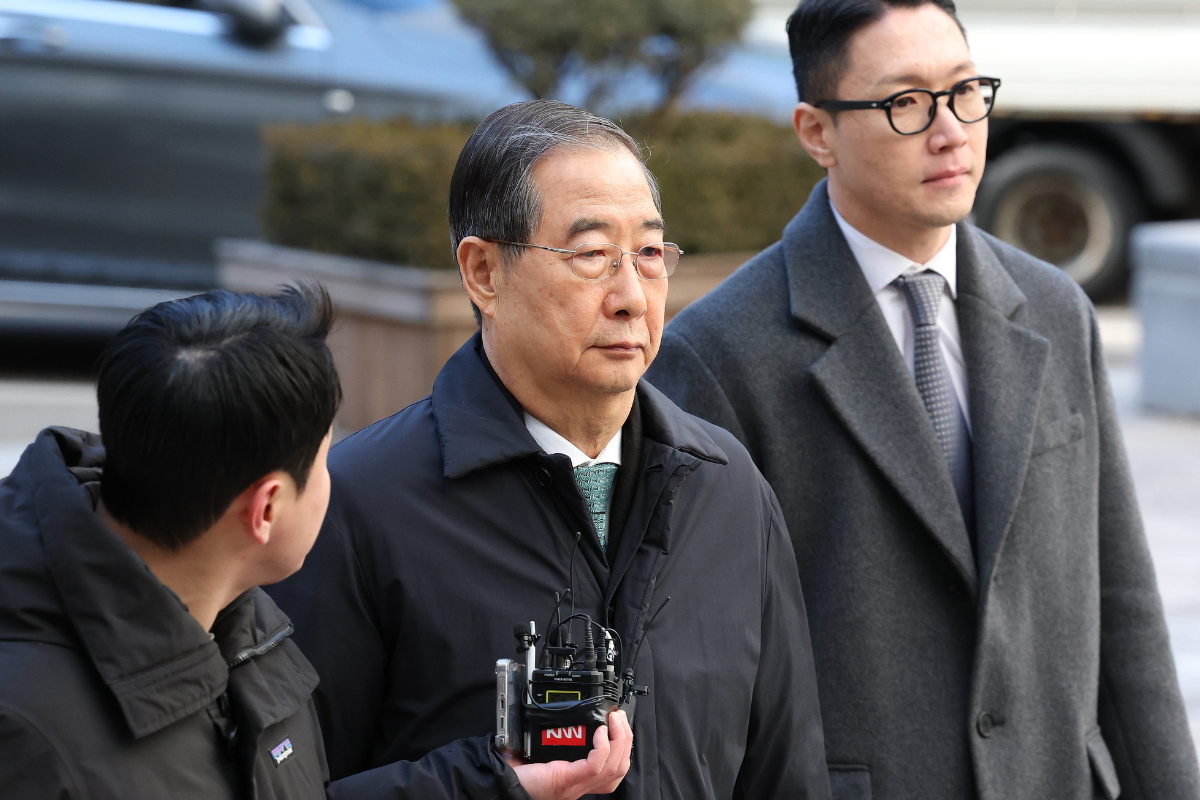

South Korea’s Seoul High Court on May 7 reduced the prison sentence of former Prime Minister Han Duck-soo from 23 years to 15 years for his role in former President Yoon Suk Yeol’s failed declaration of martial law in December 2024.
The court affirmed key findings that Han helped facilitate Yoon’s measure and failed to oppose it.
The ruling said that Han, 76, participated in actions that enabled Yoon’s brief imposition of martial law and later attempted to conceal aspects of the episode.
However, it concluded that prosecutors had not fully established that Han actively planned or directed the effort.
“The defendant, as prime minister, had the responsibility to curb and control the president’s wrongful execution of his power and help him legally exercise his authority,” the lead judge said. “But he abandoned the enormous duty and joined the side participating in insurrection. … He committed crimes afterwards to cover up his guilt, so his crime is grave.”
The ruling was the latest legal development stemming from Yoon’s short-lived declaration of martial law on Dec. 3, 2024, a move that triggered political upheaval, criminal prosecutions, and mass protests in South Korea.
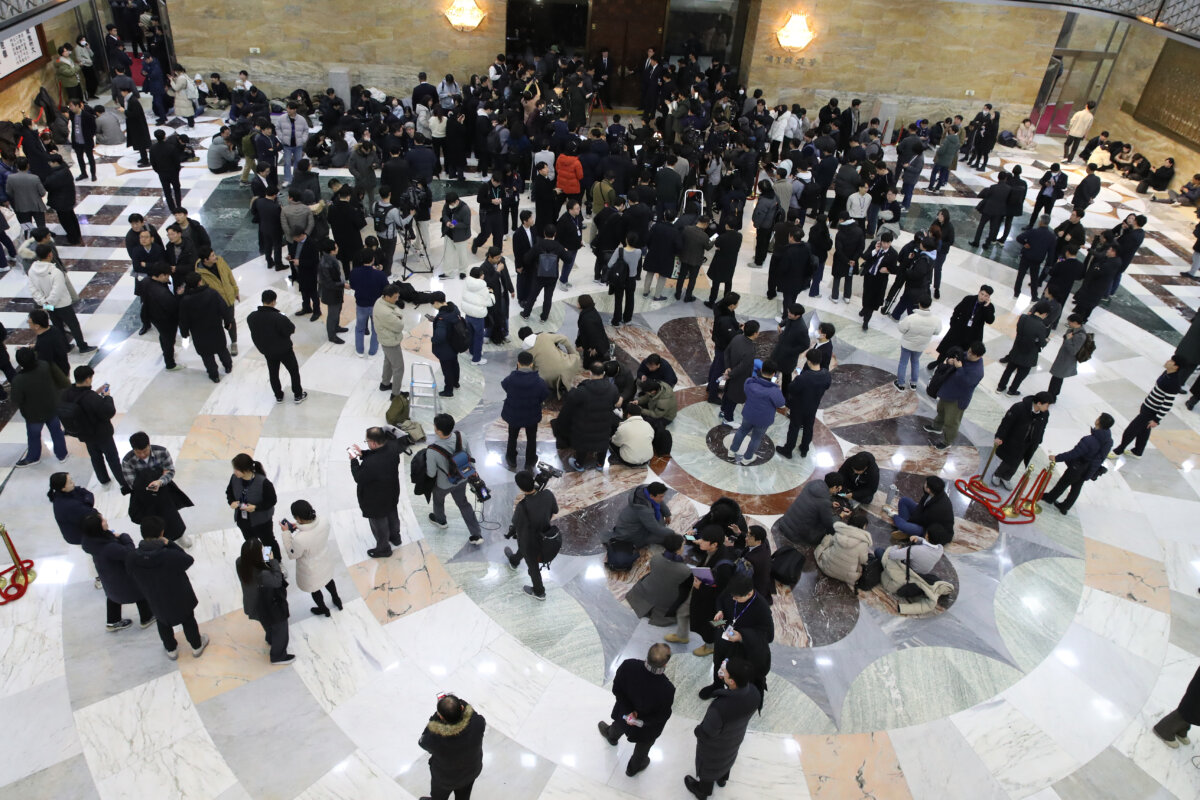
The Seoul High Court upheld the lower court’s determination that Han took part in critical procedural steps that gave legitimacy to Yoon’s decree.
Judges said Han convened a Cabinet meeting that enabled the legal process required for imposing martial law, rejecting Han’s claim that the gathering was intended to prevent Yoon from proceeding.
The court also found that Han knew about a plan by then-Safety Minister Lee Sang-min to suspend electricity and water services to several media outlets during the martial law period, but he did not intervene.
In addition, the appellate judges upheld convictions related to falsifying a presidential document and committing perjury.
At the same time, the court reduced Han’s sentence by eight years, citing what it described as a lack of conclusive evidence showing that he had been deeply involved in orchestrating the martial law plan itself.
The judge noted that Han later convened another Cabinet meeting to rescind martial law after lawmakers voted to overturn Yoon’s decree. The court also cited Han’s five decades in public service, including senior roles in South Korea’s finance and foreign ministries.
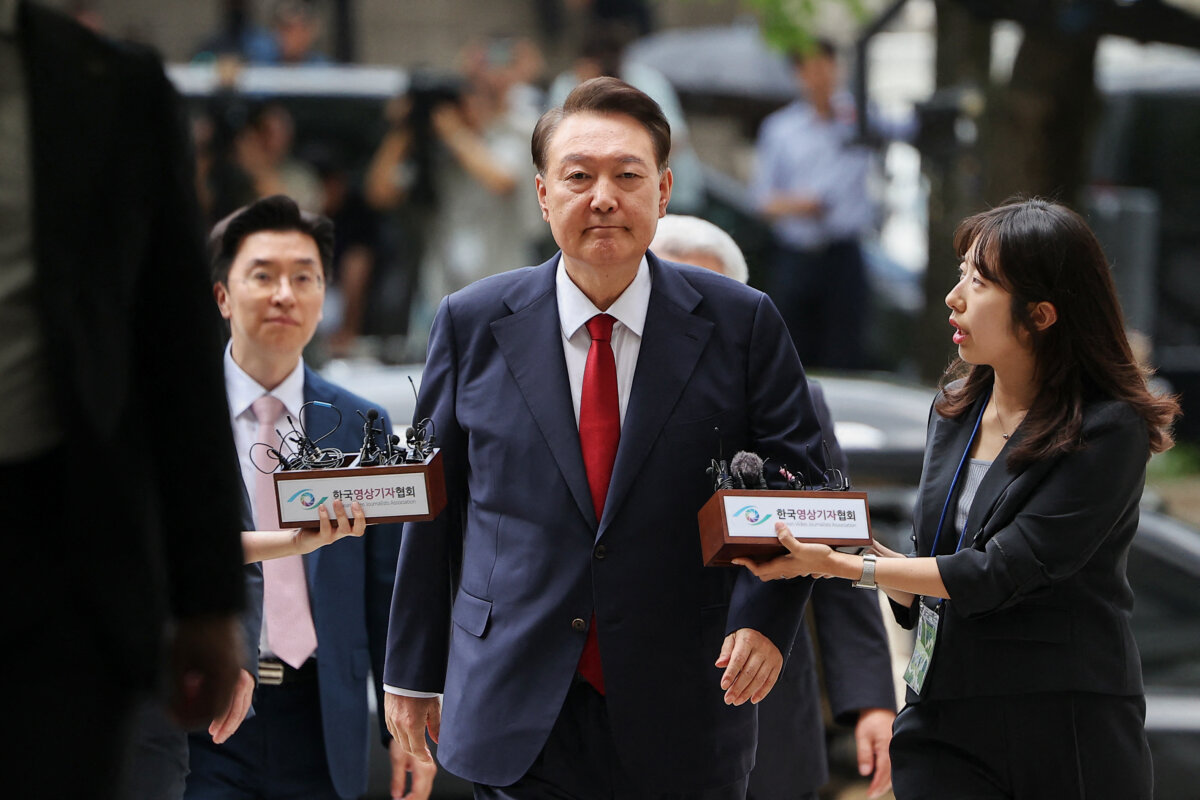
The appeals ruling revised a decision issued by the Seoul Central District Court on Jan. 21, when Han was sentenced to 23 years in prison.
At the time, the lower court found Han guilty of engaging in insurrection, falsifying and destroying a martial law document, and perjury.
A judge said Han had helped provide procedural legitimacy to the decree through the Cabinet Council process.
“The defendant was a prime minister who had been indirectly given democratic legitimacy and responsibility,” the lower court judge said in January. “Nevertheless, the defendant chose to turn a blind eye … and participate as a member of the December 3 insurrection.”
Han denied wrongdoing on all charges except perjury. He said he regretted being unable to stop the martial law declaration but insisted he had never supported or assisted Yoon’s actions.
Following the January ruling, Han was immediately detained. His lawyer said at the time that the former prime minister would appeal the conviction.
Martial Law Crisis
When Yoon declared martial law, he argued that opposition lawmakers controlling the National Assembly were aligned with communist and North Korean interests and posed a threat to constitutional order.
The declaration lasted approximately six hours before Yoon withdrew it amid widespread public protests and a parliamentary vote rejecting the decree.
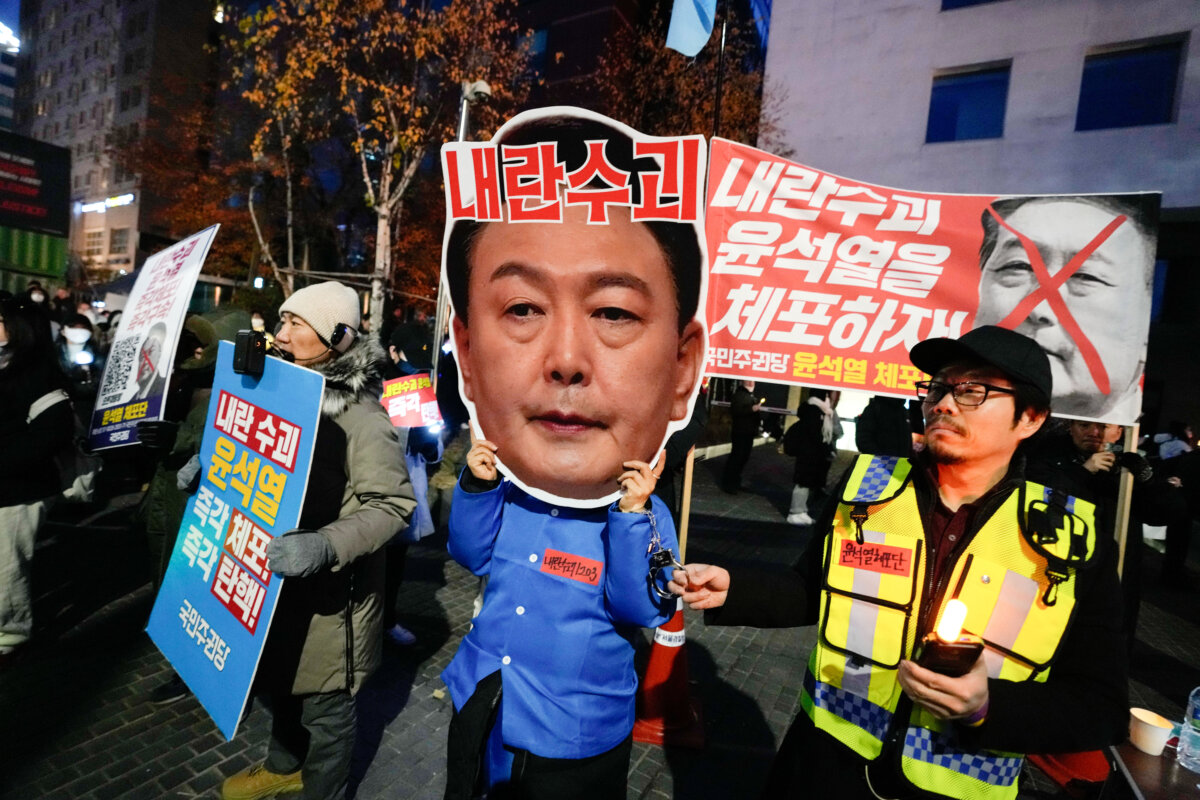
The incident led to a political crisis that ultimately resulted in criminal charges against multiple senior officials.
On Feb. 19, a South Korean court found Yoon guilty of abuse of authority and orchestrating an insurrection related to the martial law attempt. The former president was sentenced to life imprisonment.
Yoon defended his actions during the trial, arguing that the South Korean constitution grants presidents authority to declare a national emergency and that the measure could not legally constitute insurrection.
His attorneys later said they would consult with him regarding an appeal.
Former Defense Minister Kim Yong-hyun was also convicted in connection with the case and sentenced to 30 years in prison. His lawyer said he would appeal the ruling.
Reuters contributed to this report.
 Friends Read Free
Copy
Facebook
Tweet
Friends Read Free
Copy
Facebook
Tweet