
U.S. President Donald Trump warned Iraq against returning former Prime Minister Nouri al-Maliki to power, saying that the United States will stop assisting the country if it does.
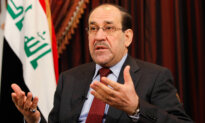
“I’m hearing that the Great Country of Iraq might make a very bad choice by reinstalling Nouri al-Maliki as Prime Minister,” Trump wrote in a Jan. 27 post on Truth Social. “Last time Maliki was in power, the Country descended into poverty and total chaos. That should not be allowed to happen again.”
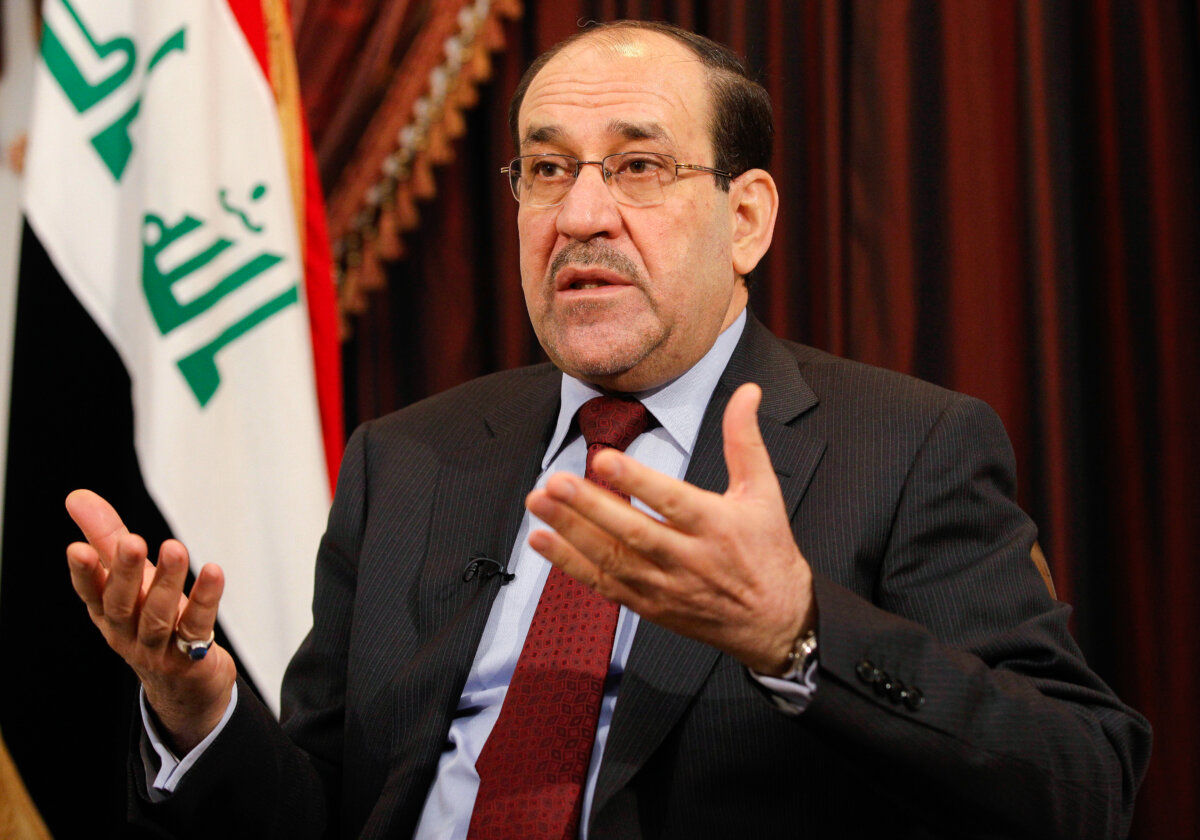
Al-Maliki was prime minister of Iraq between 2006 and 2014.
“Because of his insane policies and ideologies, if elected, the United States of America will no longer help Iraq and, if we are not there to help, Iraq has ZERO chance of Success, Prosperity, or Freedom,” Trump wrote. “MAKE IRAQ GREAT AGAIN!”
The U.S. president’s comments came after Iraq’s main alliance of Shiite Muslim political blocs—the Coordination Framework, which holds a majority in Iraq’s parliament—picked al-Maliki as its nominee for the post following an election in November 2025.
Al-Maliki responded to Trump in a Jan. 28 post on X, saying, “We categorically reject the blatant American interference in Iraq’s internal affairs, considering it a violation of its sovereignty and a contravention of the democratic order in Iraq since 2003, as well as an overreach on the decision of the Coordination Framework to select its candidate for the position of Prime Minister.”
He went on to say that “dialogue between countries is the only political option for engagement, not resorting to the language of dictates and threats” and that he would continue his work “in a manner that achieves the higher interests of the Iraqi people.”
During al-Maliki’s previous tenure as Iraq’s prime minister, the country experienced sectarian violence and a power struggle with Sunni and Kurdish minorities, and tensions with the United States rose.
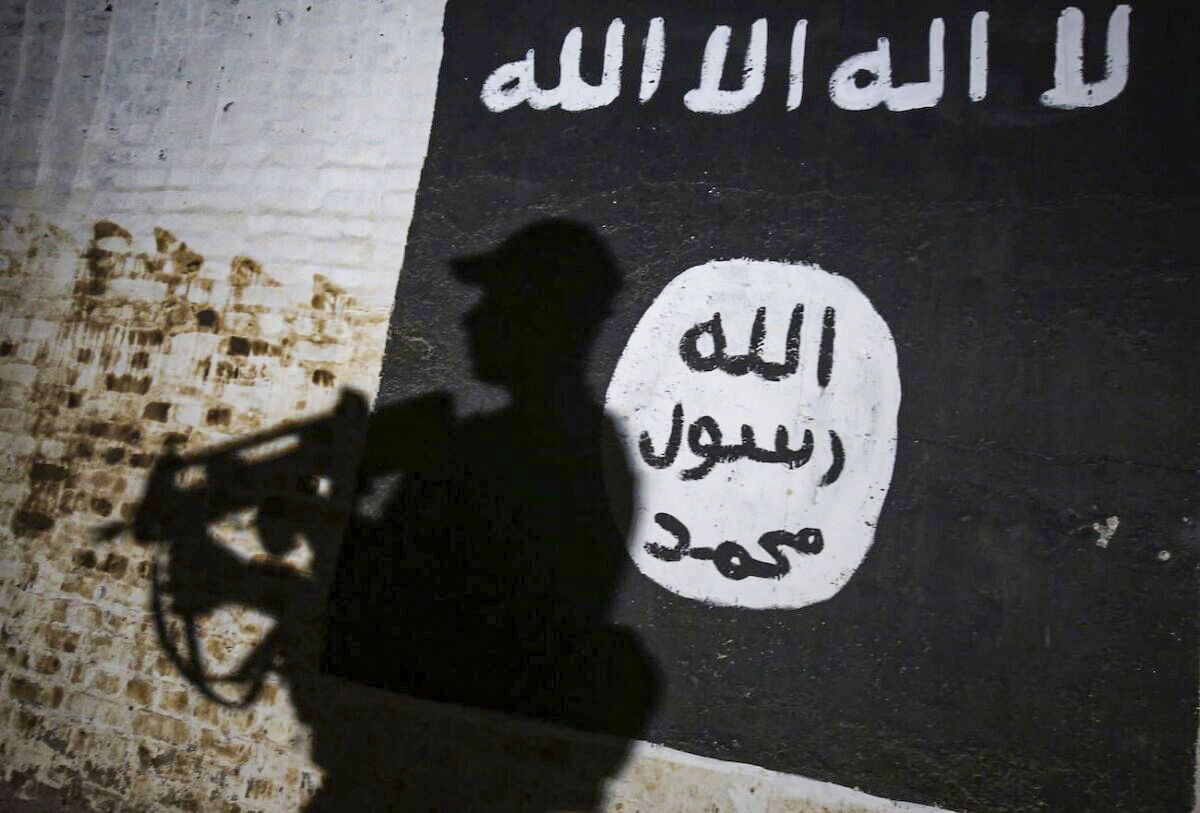
His premiership came to a close in 2014 when he stepped down after the ISIS terrorist group seized large parts of the country. He has remained an influential figure, serving as vice president of the country twice since then, as well as leading the State of Law Coalition and maintaining ties with Iranian-backed factions in Iraq.
He has been the leader of the Shiite Islamic Dawa Party since 2007.
U.S. Secretary of State Marco Rubio on Jan. 25 warned current Iraqi Prime Minister Mohammed Shia al-Sudani about Iranian influence in his country.
U.S. State Department spokesperson Tommy Pigott said in a statement, “The Secretary emphasized that a government controlled by Iran cannot successfully put Iraq’s own interests first, keep Iraq out of regional conflicts, or advance the mutually beneficial partnership between the United States and Iraq.”
Al-Sudani’s list of candidates won the largest share of seats in November’s parliamentary elections, but he stepped aside earlier this month, clearing the field for al-Maliki. Both he and al-Maliki had sought the backing of the Coordination Framework.
The framework named al-Maliki as its nominee last week, according to the Iraqi News Agency. A parliamentary session was set to take place on Jan. 27 to elect a president, who in turn would appoint the prime minister, but the session was delayed at the request of the Kurdistan Democratic Party and the Patriotic Union of Kurdistan, according to the agency.
Despite the political tensions, the United States and Iraq have continued to cooperate, most recently with an agreement to transfer some 7,000 suspected ISIS terrorists from prisons in Syria to Iraq.
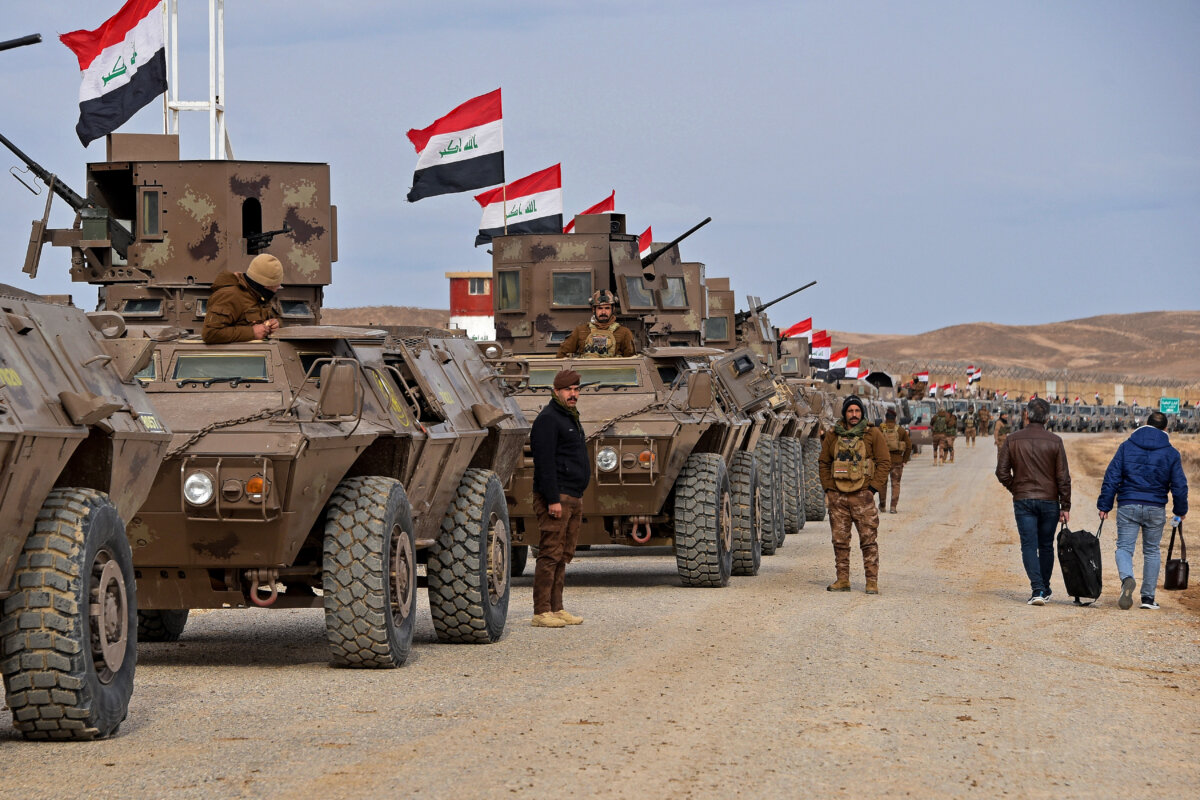
In an emailed statement on Jan. 21, U.S. Central Command said its forces carried out the prisoner transfer operation “to help ensure the terrorists remain in secure detention facilities.”
Central Command said the prisoner transfer mission successfully relocated “150 ISIS fighters held at a detention facility in Hasakah, Syria, to a secure location in Iraq.”
“Ultimately, up to 7,000 ISIS detainees could be transferred from Syria to Iraqi-controlled facilities,” Central Command stated.
 Friends Read Free
Copy
Facebook
Tweet
Friends Read Free
Copy
Facebook
Tweet