
The U.N. Food and Agriculture Organization (FAO) has warned that the disruption in the Strait of Hormuz is the beginning of “a systemic agrifood shock” that could drive up food prices worldwide.
The agency said in a May 20 report that unless governments and farmers act quickly to stabilize fertilizer supplies, shipping routes, and agricultural production, a global food price crisis may emerge within six to 12 months.
FAO Chief Economist Máximo Torero said the time has come to “start seriously thinking about how to increase the absorption capacity of countries, how to increase their resilience to this choke, … to minimize the potential impacts.”
The warning comes as instability in the Gulf region continues to disrupt shipments through the Strait of Hormuz, one of the world’s most important energy and fertilizer transit corridors. It handles roughly one-third of global fertilizer trade, 35 percent of global crude oil shipments, and about one-fifth of liquefied natural gas exports under normal conditions.
U.N. officials said the crisis is already affecting global food markets.
FAO’s food price index rose for a third consecutive month in April as higher energy costs and disruptions linked to the Middle East conflict pushed up commodity prices.
David Laborde, director of the FAO’s Agrifood Economics Division, said alternative shipping routes through western Saudi Arabia, the Red Sea, and the eastern Arabian Peninsula could partially offset supply disruptions but warned that those routes have limited capacity.
FAO Recommendations
The FAO urged governments and international organizations to expand emergency financing, strengthen food reserves, and improve transport resilience before conditions worsen.
It also recommended targeted support for vulnerable populations rather than broad subsidy programs and warned that the El Niño weather pattern could intensify the crisis by disrupting rainfall and crop production across multiple regions.
The National Weather Service said on May 14 that El Niño is expected to emerge this summer, between May and July, and continue through the winter.
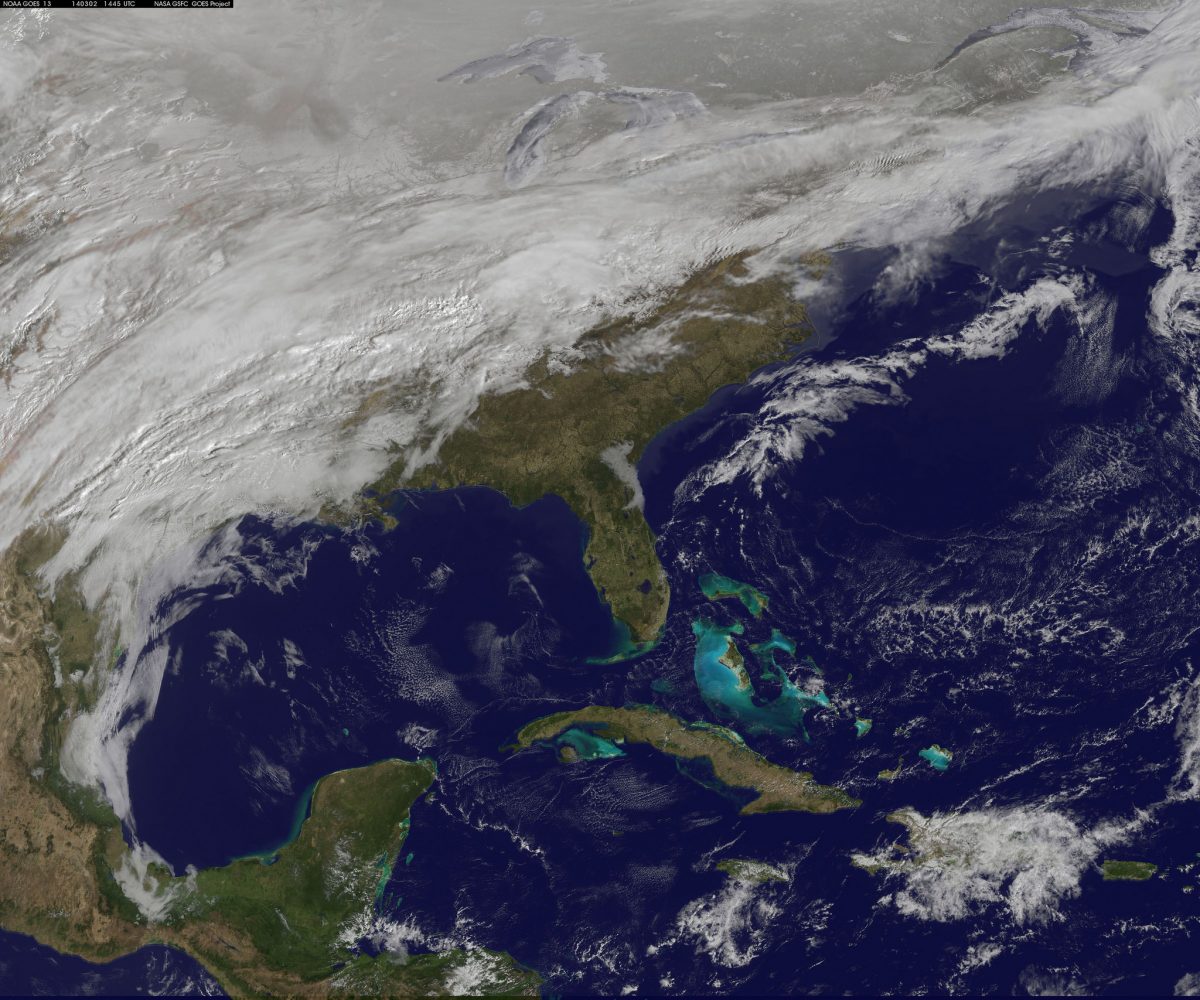
The weather pattern, according to the World Meteorological Organization, is typically associated with heavier rainfall in parts of southern South America, the southern United States, the Horn of Africa, and Central Asia, and drought conditions across Australia, Indonesia, and parts of southern Asia.
The World Bank last month projected that fertilizer prices would rise by 31 percent in 2026, driven largely by a 60 percent increase in urea prices. The bank also warned that fertilizer affordability could deteriorate to its weakest level since 2022, potentially reducing crop yields and worsening food insecurity.
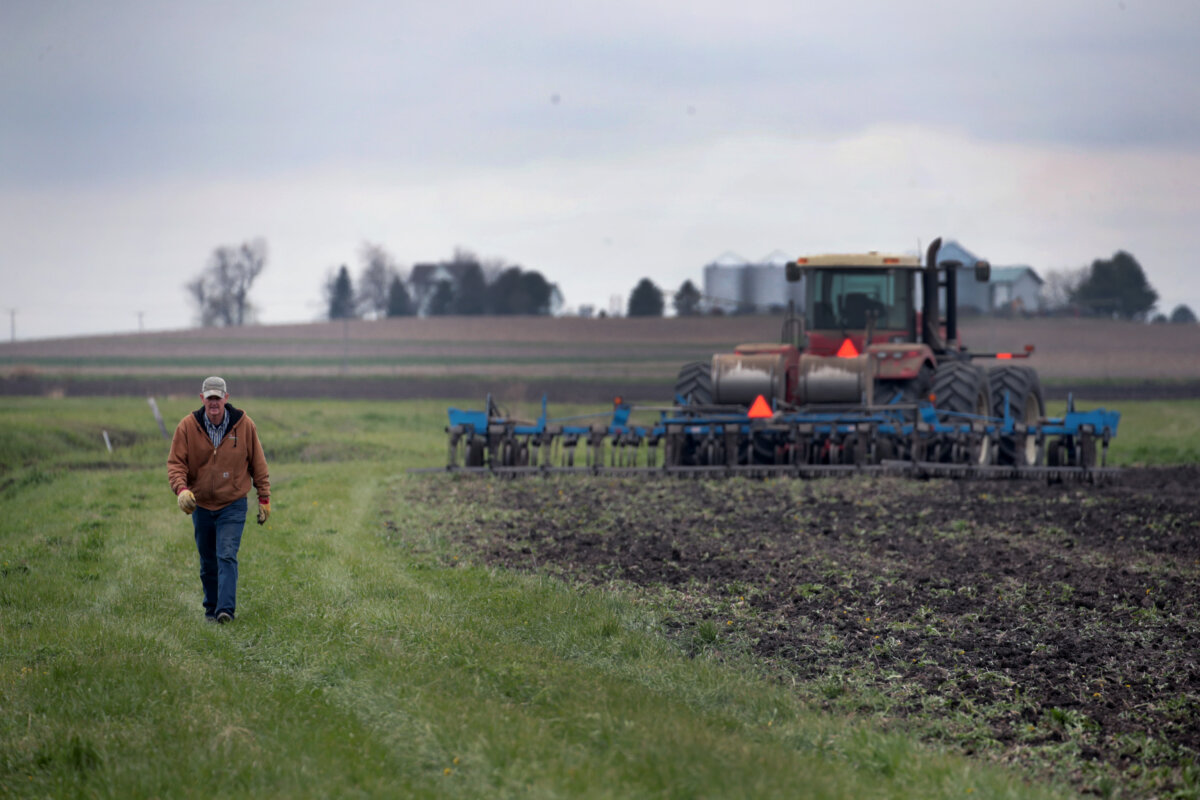
“If the conflict proves more prolonged, these pressures on food supply and affordability could push up to 45 million more people into acute food insecurity this year,” the World Bank said, citing World Food Programme estimates.
The International Monetary Fund (IMF) warned this week that rising food prices could worsen hunger across Africa.
“A 20 percent rise in international food prices could push more than 20 [million] people in sub-Saharan Africa into food insecurity and leave 2 [million] children under 5 acutely malnourished,” the IMF said in a May 20 post on X.
US, EU Move to Protect Fertilizer Supplies
Governments in the United States and Europe have begun introducing measures to secure fertilizer production and reduce dependence on imports.
The United States announced new fertilizer investments this week.
Agriculture Secretary Brooke Rollins said during a May 19 press conference at USDA headquarters in Washington that the U.S. administration is taking steps to strengthen domestic fertilizer production.
She announced several fertilizer projects aimed at increasing domestic production capacity.
These include a $3.7 billion ammonia plant in Louisiana and additional fertilizer facilities in Washington state and Iowa.
“All-in domestic fertilizer production of what I’ve just announced will increase about 4.5 million tons per year, serving about 400,000 producers, the smaller projects, and 290 million acres,” she said.
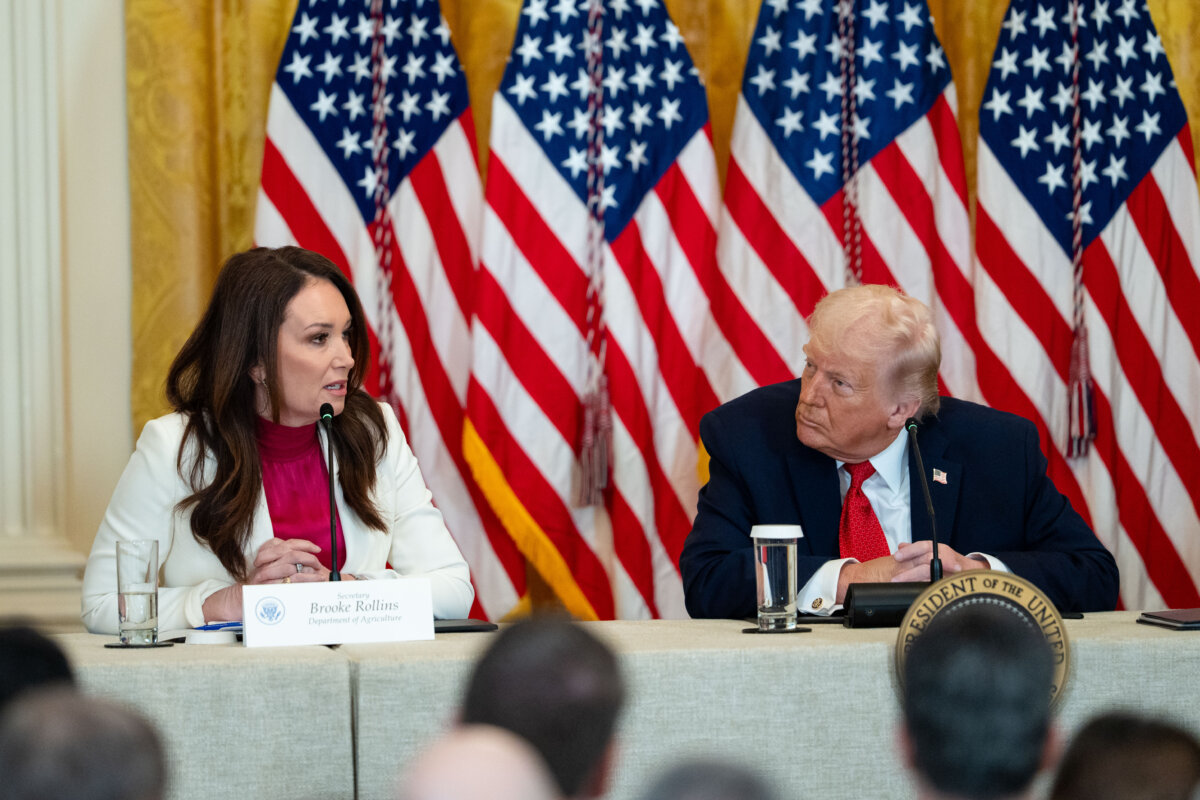
Rollins previously told a Senate Appropriations subcommittee on April 22 that fertilizer dependence is “a national security issue.”
The European Commission adopted a new “Fertiliser Action Plan” on May 20, designed to strengthen Europe’s domestic fertilizer industry and improve food security.
The plan includes emergency support for farmers, expanded financing for fertilizer production, and efforts to increase the use of bio-based and circular fertilizers.
“On the short-term, we will support European farmers so they can buy the fertilisers they need for the next harvesting season,” European Agriculture Commissioner Christophe Hansen said. “On the long term, we will strengthen our domestic production and unlock the potential for the development of bio-based fertilisers.”
 Friends Read Free
Copy
Facebook
Tweet
Friends Read Free
Copy
Facebook
Tweet