
The United States, with its Gulf partners, is proposing a United Nations Security Council resolution to reopen the Strait of Hormuz, according to the State Department.
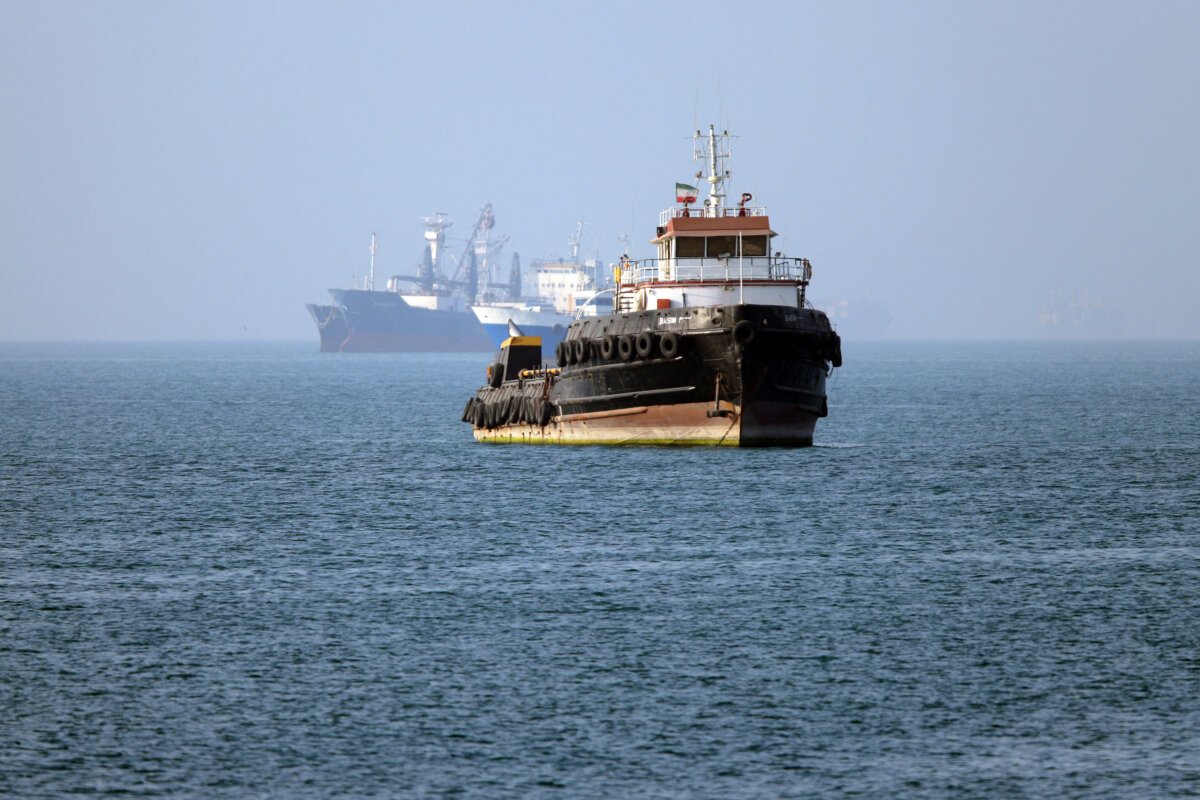
The resolution was drafted with Bahrain, Saudi Arabia, the United Arab Emirates, Kuwait, and Qatar, Secretary of State Marco Rubio said in a press statement on May 5. It calls on Iran to cease attacking ships, laying mines, and trying to charge tolls in the Strait, which is classified as an international waterway.
“The Islamic Republic of Iran continues to hold the world’s economy hostage with its efforts to close the Strait of Hormuz, threats to attack ships in the Strait, laying of sea mines that pose a danger to shipping, and attempts to charge tolls for the world’s most important waterway,” Rubio said.
He added that the draft resolution “demands that Iran disclose the number and location of the sea mines it has laid and cooperate with efforts to remove them, while also supporting the establishment of a humanitarian corridor.”
During a White House press briefing on May 5, Rubio said he was unsure whether the resolution can survive a permanent veto from Russia or China.
Iran’s illegal attacks on commercial ships present a threat to global trade and humanitarian aid, he said, calling such actions unacceptable and in violation of international law.
Rubio called on the United Nations to respond—not with military force, but by condemning Iran’s actions and applying pressure to the nation to change its activities.
It’s a modest, reasonable request, he said, and questioned the effectiveness of the United Nations if it could not unite countries behind such a resolution.
Rubio stated that major powers like China and Russia in fact had a vested interest in supporting this effort to open the strait and avoid global economic instability.
“I think to both the Chinese and the Russians, I would argue, and have argued, that it is in their interest for that resolution to pass and for pressure to be brought on Iran, because it is in their interest not to see international waterways, including the [Strait] of Hormuz, be closed down and cause economic chaos to dozens and dozens of countries around the world,” he said.
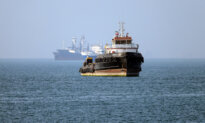
Iran’s block of the Strait of Hormuz in retaliation for the joint U.S.–Israeli Feb. 28 air strikes on Iran has led to higher oil and gas prices worldwide and a difficulty for ships to navigate the key waterway. Iran has allowed only its own ships to pass through.
Over the weekend, Trump announced Project Freedom to assist ships through the Strait of Hormuz.
The U.S. military has destroyed six Iranian small boats and intercepted cruise missiles and drones launched by Tehran, as it carried out Project Freedom, U.S. Adm. Brad Cooper, head of CENTCOM, said on May 4. Iran has also launched drone strikes on the United Arab Emirates.
 Friends Read Free
Copy
Facebook
Tweet
Friends Read Free
Copy
Facebook
Tweet