
In 2011, scientists were very busy. There were many new discoveries, discussions, and arguments. Two elements were added to the periodic table, and more than 1,000 new species were identified in New Guinea alone. Here is a compilation of many interesting and significant scientific happenings the past year.
Organic and Life-Supporting Molecules Found in Space
Further evidence emerged in 2011 of the possibility of water and life on Mars. Ice with the same composition as Earth’s oceans was detected on the Hartley 2 Comet. The young star TW Hydrae was spotted with a disk full of water vapor, extending almost 200 times the distance between Earth and the sun. Scientists think this suggests that water is very common in the universe.
Molecular oxygen was found in the Orion Nebula, and researchers hope to find more oxygen molecules in other star-forming areas.
Complex organic molecules resembling coal and petroleum have been discovered in space. Furthermore, nucleobases, essential components of DNA, have been discovered in meteorites. Some other molecules similar to nucleobases, termed “nucleobase analogs,” were also discovered. Some of them are not found in terrestrial biology.
The Human Body
Benefits of Meditation: Research in 2011 suggests that meditation can enhance mood (as reflected by a change in the frontal lobe of the brain); increase the gray matter density in brain regions associated with learning and memory, emotion, self-referential processing, and perspective taking; prevent psychiatric disorders; increase connectivity between different parts of the brain and reduce brain shrinkage due to aging; and improve post-traumatic stress disorder conditions.
Echolocation by Blind People: Scientists found that some people can use echolocation—a way to perceive the environment by emitting sounds and judging the distance of objects from the time the echo of the sounds take to return—to help them “see.” It was found that these people actually process the sounds that they use for echolocation in the visual center of their brains.
Magnetic Stimulation for Clinical Use: Magnetic stimulation was found to be effective in aiding stroke recovery and post-stroke speech rehabilitation, as well as preventing memory loss.
Archaeology
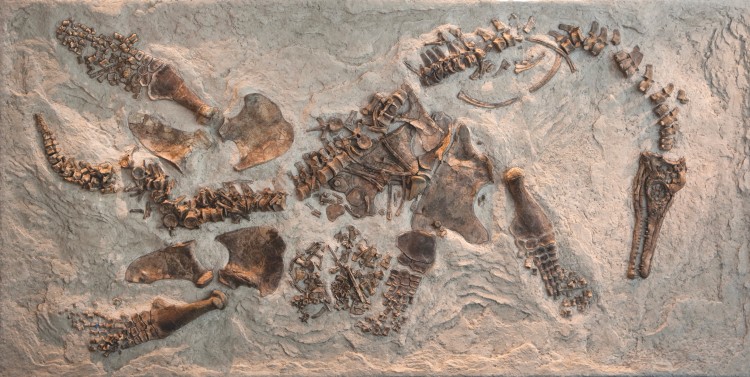
Stone axes dated to be around 1,760,000 years old have been discovered in Kenya.
Sophisticated mass production of blades from up to 400,000 years ago was found in Israel. Researchers found evidence of a well-planned production line, enabling blades to be made efficiently and in a standardized manner. Flints that would best fit the technology were selected as raw material, and the mechanics of stone fracture was taken into account in the production. The end products all have a sharp edge for cutting and a dull edge for easy gripping.
Modern Science Reveals Ancient Chinese Wisdom
Ancient Chinese took a very different approach from science in the West, and the results were very effective. Using technology, modern scientists are beginning to uncover some of their secrets.

NASA was recently able to image a supernova 8,000 light-years away that the Chinese observed 2,000 years ago and documented in their historic records. Ancient Chinese called the supernova a “guest star,” and described that it displays five colors.
Military strategy detailed in Sun Tzu’s “The Art of War,” documented to have been used by Chinese up to 144 B.C., was found to match contemporary game theory, which began to be developed in the 1940s.
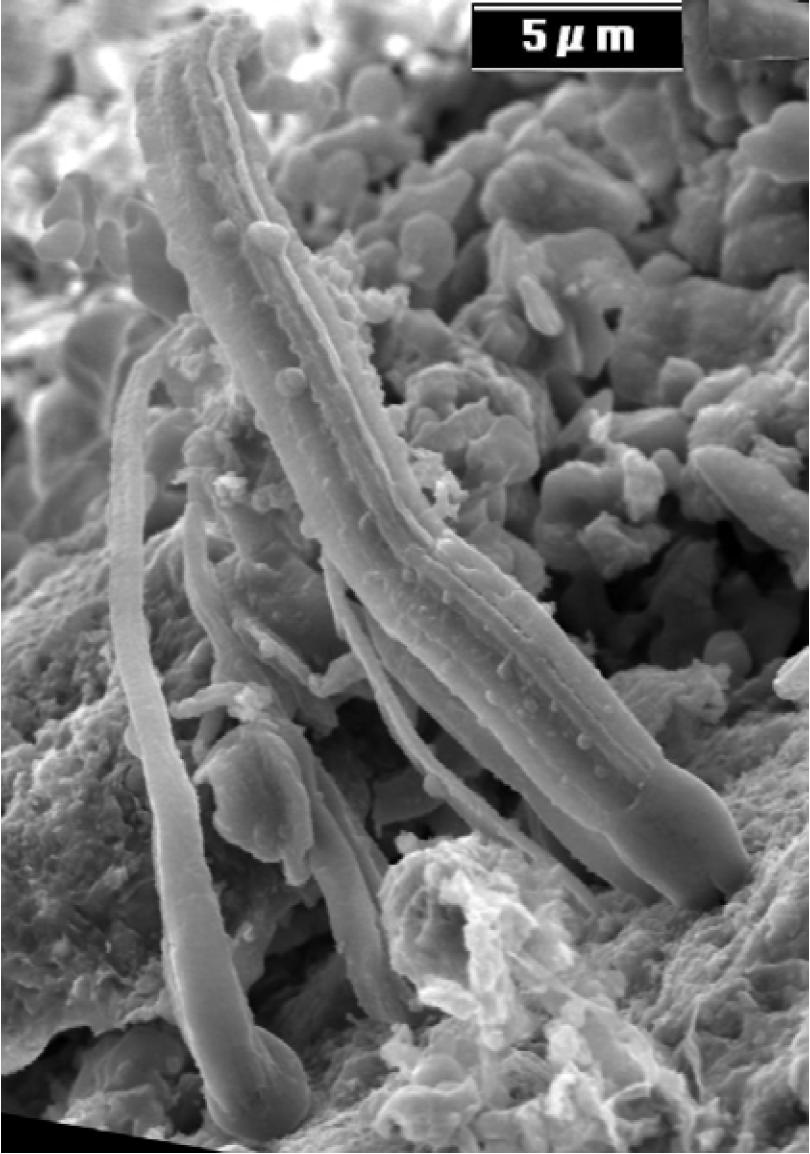
A moss that has long been used in Traditional Chinese Medicine was discovered to contain an enzyme inhibitor that can block the effects of certain chemical warfare agents, as well as treat Alzheimer’s disease. Scientists are synthesizing it for medical uses. Previously, similar enzyme inhibitors were used, but they are not as effective as the inhibitor found in Chinese moss.
Unexplained Phenomena
Foreign Rains: This year started and ended with non-watery downpours. During the first week of the year, a number of cases in which masses of birds fell from the sky occurred around the world. In March, more than 100 worms rained down on Scottish students during a physical education class. In September, a whale was found lying on the grass, 800 meters (half a mile) from the shoreline in England. Some suggest that a freak weather phenomenon might have lifted the whale out of the sea and deposited it on land, though no special weather event had been recorded.
At the end of the year, on Dec. 12, more than 100 apples rained down onto a road in England. Again, the weather was calm, and there was no explanation for the phenomenon.
The phenomenon, coined “foreign rains,” has been documented since the 1500s. One case from 1974 involved hard-boiled eggs falling over the course of several days. In the village of Yoro, Honduras, falls of fish occur every year between May and July. Interestingly, in each instance of foreign rain, only one species of animal or one kind of object fell. The bird fall that happened in the beginning of the year in Arkansas was even gender-specific—only male red-winged blackbirds fell.
Next: Buddha Statues Coming to Life?
 Friends Read Free
Copy
Facebook
Tweet
Friends Read Free
Copy
Facebook
Tweet