
“Most creatures come equipped with two odor sensors—nostrils or antennae, for example—and it has long been believed that they compare the concentration at each sensor and then turn toward the side receiving the strongest signal. But when odors are dispersed by flowing air or water, this dispersal is incredibly chaotic,” explained Jayne Gardiner, Ph.D. student at the University of South Florida, in a press release.
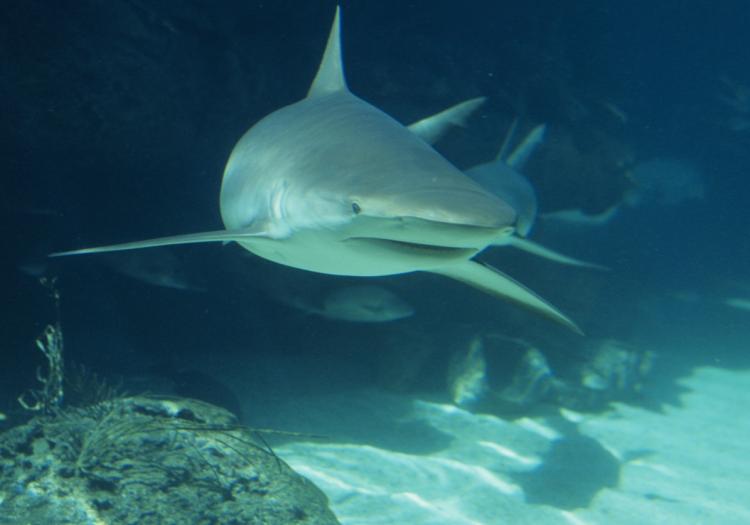
When a shark experiences a short time lag in detecting a smell, it turns to the side that detected the scent first. But if a shark didn't detect a delay or if the delay is over a second, then it was just as likely to turn left as right, reported Gardiner and colleagues in the journal Current Biology.
The idea that direction is more important than concentration when navigating by scent underwater could improve the steering algorithms of robots used to detect underwater chemical leaks, the scientists said.
 Friends Read Free
Copy
Facebook
Tweet
Friends Read Free
Copy
Facebook
Tweet