
Sponsored Content
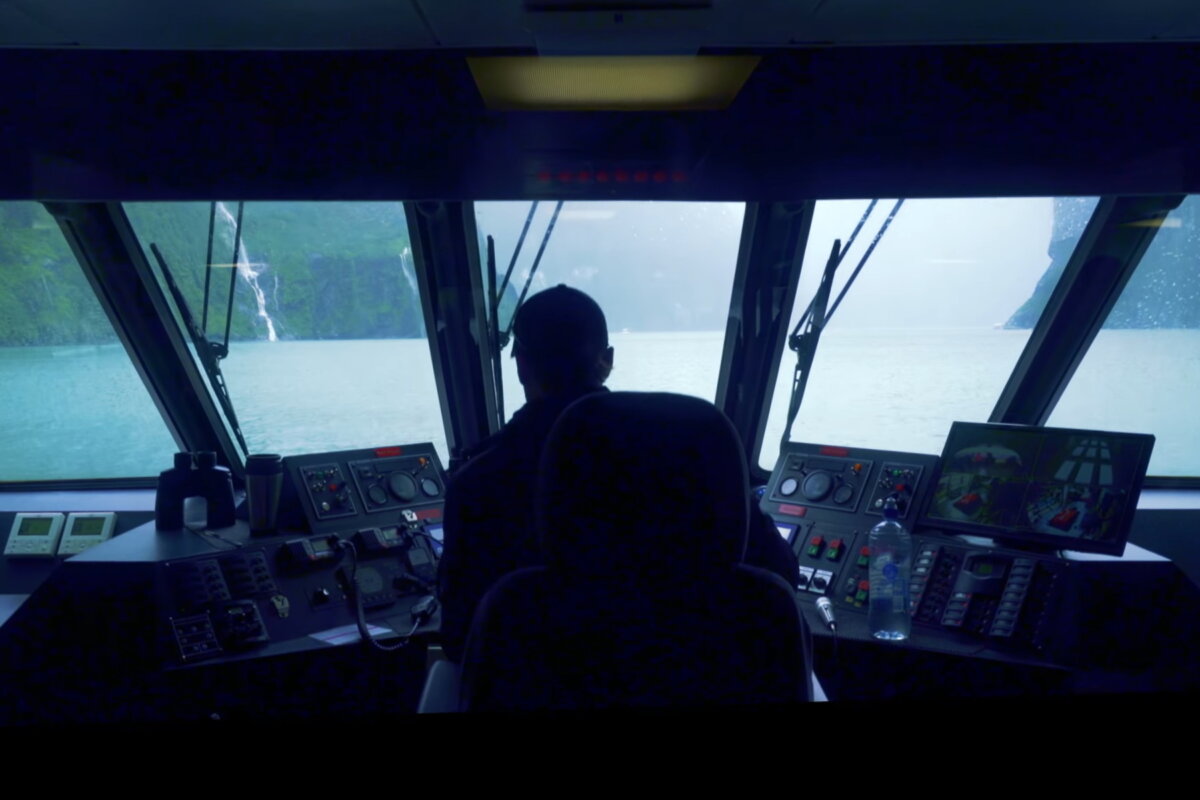
Most marine machinery earns attention twice: once when it is installed, and again if it fails. The industry has grown skilled at celebrating the first moment. The second remains costly. For more than three decades, D-I Industrial Co. Ltd. has built its business around avoiding the latter—producing power-transmission and control systems designed to disappear into daily operation, where success is measured in silence.
Founded in 1990, the Korean manufacturer specializes in marine power-transmission and control systems—including marine transmissions, power take-off (PTO) units, steering systems, side thrusters, and auxiliary equipment such as watermakers. These are not products designed to attract attention. They are designed to perform predictably, under load, in environments where repair options are limited, and failure is expensive.
D-I’s rise from a domestic replacement supplier to a globally deployed marine equipment manufacturer has not been driven by novelty. It has been driven by restraint.
Filling a Gap the Market Ignored
In the early 1990s, Korea’s shipbuilding industry was expanding rapidly, but its supply chain remained uneven. Hulls and engines were increasingly produced domestically, yet critical power-transmission components for small and mid-sized vessels were still largely imported, particularly from Japan.
For operators of fishing vessels and workboats—many operating continuously and far from major ports—this dependence carried operational risk. Replacement parts required long lead times. Service flexibility was limited. A single failed gearbox or auxiliary drive could immobilize a vessel. D-I Industrial was formed to address that vulnerability.
D-I Industrial’s marine transmissions are designed to support vessels with single-engine installations up to 1,600 horsepower and twin-engine configurations serving vessels with combined outputs of up to 3,200 horsepower.
This output range applies specifically to marine transmissions; other equipment, such as watermakers, side thrusters, and steering systems, is selected based on vessel configuration and operational requirements rather than engine output alone. The engineering problem was not theoretical efficiency. It was sustained reliability under vibration, variable load, and imperfect maintenance conditions.
Early marine transmissions developed by D-I emphasized conservative gear design, stable hydraulic control, and wet multi-disc clutch systems chosen for durability rather than minimal footprint. Over time, these transmissions began replacing imported units—not because of price, but because they worked consistently and could be serviced locally. That substitution, repeated vessel by vessel, established the company’s credibility.
Marine Transmissions: Designed to Anchor the System
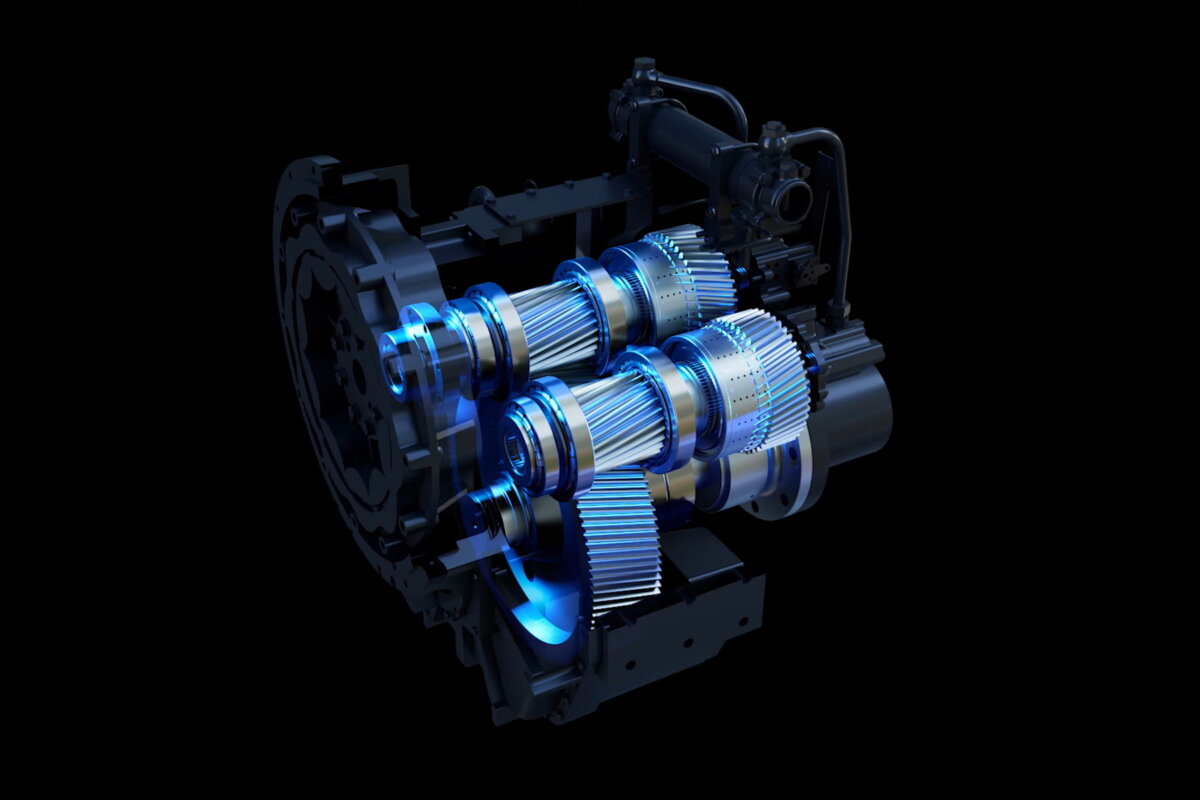
Marine transmissions remain the core of D-I Industrial’s product portfolio. Designed as hydraulic marine transmissions with wet multi-disc clutch systems, they are engineered to manage fluctuating torque loads while maintaining smooth engagement and predictable response.
The design philosophy is deliberate. Instead of optimizing for peak performance in ideal conditions, the transmissions prioritize long service life, thermal stability, and controlled wear characteristics—qualities that matter most in vessels that operate daily rather than intermittently.
Crucially, D-I treats the transmission not as an isolated component, but as the anchor of the propulsion system. Gear ratios, clutch response, and hydraulic characteristics are engineered to integrate cleanly with engines commonly used in workboat and fishing fleets, including those from Hyundai Infracore, Mitsubishi, Yanmar, Isuzu, Weichai, Yuchai, Baudouin, Cummins, Volvo Penta, Caterpillar, and Ashok Leyland, John Deere. This compatibility reduces integration risk for shipbuilders and simplifies procurement decisions for operators managing mixed fleets. The benefit is rarely advertised, but it is frequently specified by builders and operators.
PTO Units: Power Distribution Without Compromise
As vessels demand more auxiliary capability—hydraulics, generators, deck machinery—the role of power take-off units has expanded. Poorly integrated PTO systems can introduce vibration, misalignment, and reliability issues that ripple through the drivetrain.
D-I Industrial’s PTO units, available in engine-mounted and transmission-mounted configurations, are designed to distribute mechanical power efficiently without destabilizing propulsion performance. Torque handling, alignment stability, and operational safety are prioritized to support continuous auxiliary operation during both navigation and stationary work.
Rather than treating PTOs as optional add-ons, D-I engineers them as structural components of the powertrain. The result is a system that extends engine utility without increasing mechanical uncertainty—a distinction that matters when auxiliary systems are mission-critical rather than optional.
Steering Systems and Side Thrusters: Control as Risk Management
In confined waters, control margins narrow quickly. D-I Industrial’s hydraulic steering systems are engineered for predictable response and redundancy, particularly in vessels where steering reliability directly affects safety. The emphasis is not on sensitivity for its own sake, but on consistency under continuous use, even as hydraulic loads fluctuate.
Complementing these systems are side thrusters designed to improve low-speed maneuverability during docking, harbor operations, and station-keeping. Integrated within D-I’s broader control architecture, the thrusters reflect a systems-level approach: maneuverability is treated as a form of risk management, not a convenience feature.
Watermakers and Auxiliary Reliability
Auxiliary systems often determine how long a vessel can operate independently. Watermakers produced by D-I Industrial are designed to provide a reliable freshwater supply for vessels operating extended routes or remote missions, where resupply is uncertain.
Engineered for marine operating conditions—vibration, space constraints, and maintenance accessibility—the systems reinforce the company’s broader philosophy: operational self-sufficiency is achieved through reliability, not complexity.
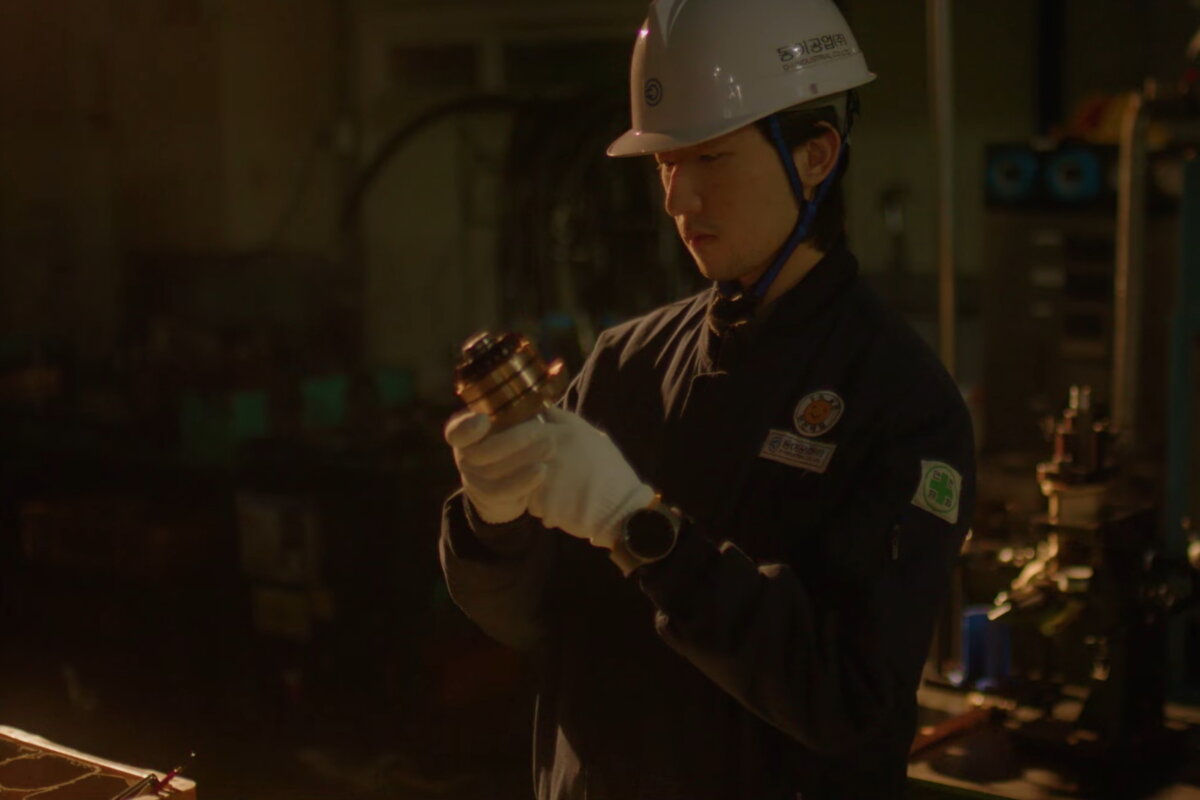
Validation Without Marketing Noise
In marine engineering, reputation is institutional long before it is public. D-I Industrial’s trajectory reflects this reality. Supply to Daewoo Heavy Industries in the late 1990s signaled entry into Korea’s industrial mainstream. ISO 9001 certification formalized quality systems. OEM supply to Japan’s NICO in 2000 marked a symbolic reversal of traditional supplier relationships.
Classification approvals from societies such as KR and DNV enable D-I equipment to be installed on internationally classed vessels—credentials that require continuous compliance rather than one-time validation.
Export growth followed methodically, earning Korea’s $1 million and $3 million Export Trophies and establishing distribution networks supporting vessels in more than 70 countries. Expansion was incremental by design, preserving engineering consistency over rapid scale.
Why Restraint Is Becoming an Advantage
As marine systems grow more interconnected, the cost of unnecessary complexity is becoming harder to ignore. Software updates cannot compensate for mechanical fragility. Automation cannot eliminate the need for dependable power transmission and control. D-I Industrial has never positioned itself as a disruptor. It has positioned itself as a counterweight to the assumption that more features inherently mean better performance. For procurement teams operating in environments where downtime is visible and unforgiving, that restraint carries weight.
Looking Forward, Without Illusion
The demands placed on marine drivetrain systems will continue to rise: higher torque loads, tighter tolerances, and integration with hybrid and auxiliary architectures. D-I Industrial’s challenge is not reinvention, but application—extending decades of mechanical expertise into evolving vessel designs without sacrificing reliability.
If its history is any indication, the company will meet that challenge without spectacle. Its machinery will continue to operate out of sight, drawing attention only by refusing to fail.
In an industry where failure is always noticed, that absence remains a measurable advantage.
Official website: https://d-i.co.kr/eng/
This article was produced with sponsorship from D-I Industrial.
 Friends Read Free
Copy
Facebook
Tweet
Friends Read Free
Copy
Facebook
Tweet