
Farms across the country are in decline, but county and statewide rural organizations are providing valuable tools and resources to bolster America’s farmers.
Between 2018 and 2025, the number of farms in the United States dropped 8 percent, from 2.02 million to 1.87 million, according to the U.S. Department of Agriculture (USDA).
Moreover, the people running those farms are aging.
According to the most recent USDA census data, about 1.3 million farm producers are age 65 and older, while farmers age 35 and under total just 300,000.
The average age of a U.S. food producer is 58.
In states like Ohio, however, where agriculture is the No. 1 industry, statewide and county-level support groups are offering resources and programs to counter those trends and help farmers succeed.
Jill Smith is a senior organization director at Ohio Farm Bureau, a grassroots organization that supports Ohio’s farm and food community.
Smith serves more than 3,000 farm members in four Ohio counties: Auglaize, Logan, Mercer, and Shelby. About 85 percent of those members are active farmers, while the rest are landowners and owners of agriculture and food-related businesses.
Members range from farmers who manage thousands of acres to individuals who have gardens and some animals.
“The biggest challenge right now in agriculture is the economics of agriculture,” Smith told The Epoch Times. “Input prices are incredibly tight; margins are even tighter. It’s a difficult time to be a farmer.”
Smith is a fourth-generation farm girl who grew up on her family’s farm in Logan County.
At one point, her father farmed 1,000 acres, which included crops, feeder cattle, pigs, and sheep.
She was involved in the national youth development program 4-H (Head, Heart, Hands, and Health) and later earned a degree in animal science before landing at Ohio Farm Bureau.
“I worked for almost two years in feed sales, and then I was able to get into Farm Bureau. I really enjoy the diversity of my job, and what I do, working with my volunteers to do programs and activities,” she said.
Farming in Ohio
Ohio is an important state for farming. It boasts 13 million acres of farmland that deliver $124 billion annually to the state economy.
The Buckeye State has 76,500 farms, and about 74,500 of those are family farms.
Overall, about one in eight Ohioans works in agriculture.
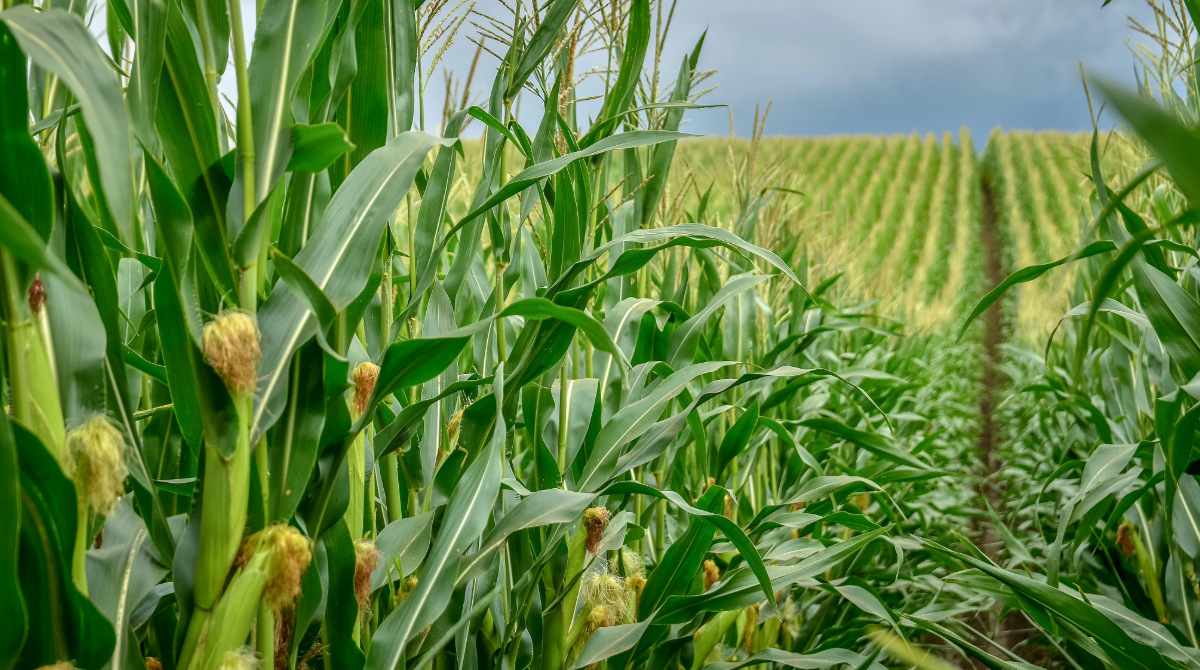
Smith said farmers have big hurdles to overcome and numerous barriers to entry.
“Prices are high, and for farmers that’s the hardest thing to navigate right now,” Smith said.
“If you want to be a crop farmer, having the tools to start out—that’s a hard challenge. If you buy a brand new tractor today, that’s $300,000. A combine is over $500,000. And that doesn’t include the header to take the crop off,” she said.
Another challenge, Smith said, includes competition over land use.
Commercial energy developers have purchased thousands of acres of land for wind and solar businesses, and now data centers are cropping up, using energy and water resources.
Ohio Farm Bureau works with farmers to identify and promote solutions to these and other challenges.
Its county-level bureaus across Ohio host events on topics ranging from leadership and marketing to succession planning.
For members ages 18 to 35, the bureau offers a Young Ag Professionals program for young farmers who want to develop careers, network together, participate in planned events and programs, and seek scholarships and grants.
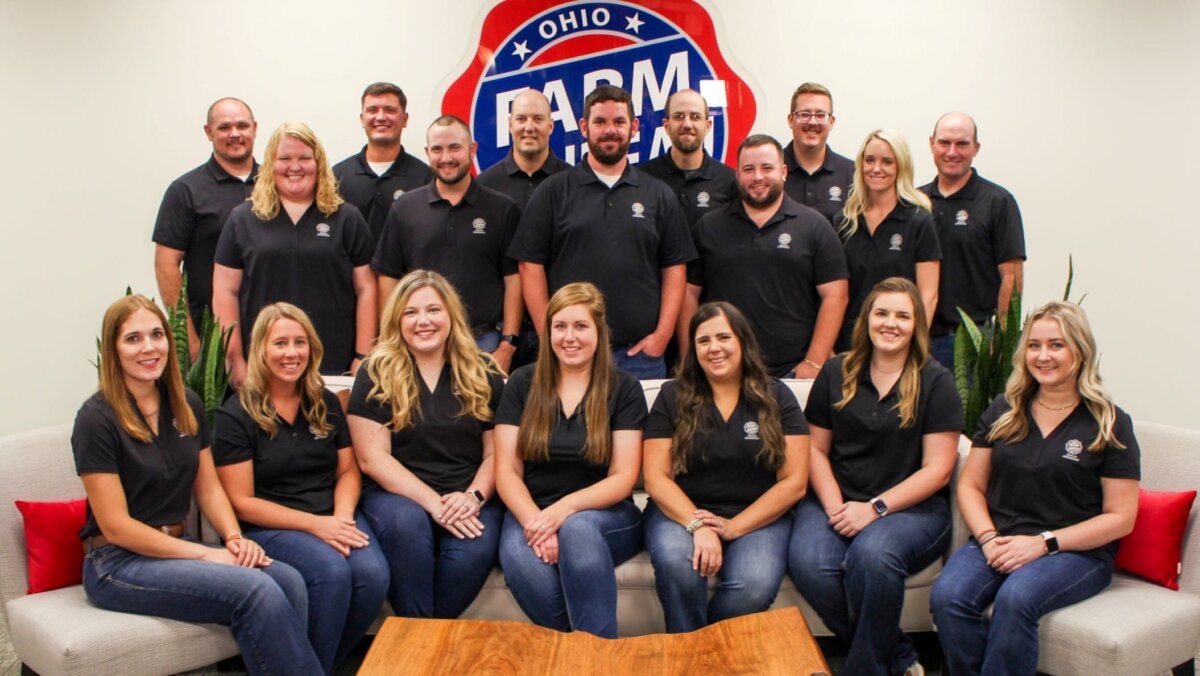
Smith said one immediate priority for the bureau is legislation.
On Feb. 25, the organization sent a letter to Congress calling for swift passage of the U.S. House Agriculture Committee’s Farm, Food, and National Security Act of 2026 (HR 7567).
“One of the things that we’re trying to do now, on the national level, is get a farm bill,” Smith said. “We haven’t had a new farm bill since 2018, and we’re trying to get a bill that will provide some safety nets for our farmers.”
“We’re not asking for handouts. We’re not asking anybody to support us. But if we have 20 days like today, where it rains, and we can’t get in the field, we need something to help us in that situation.”
Ohio Proud
Ohio has other support groups that exist to boost farms and food-related businesses.
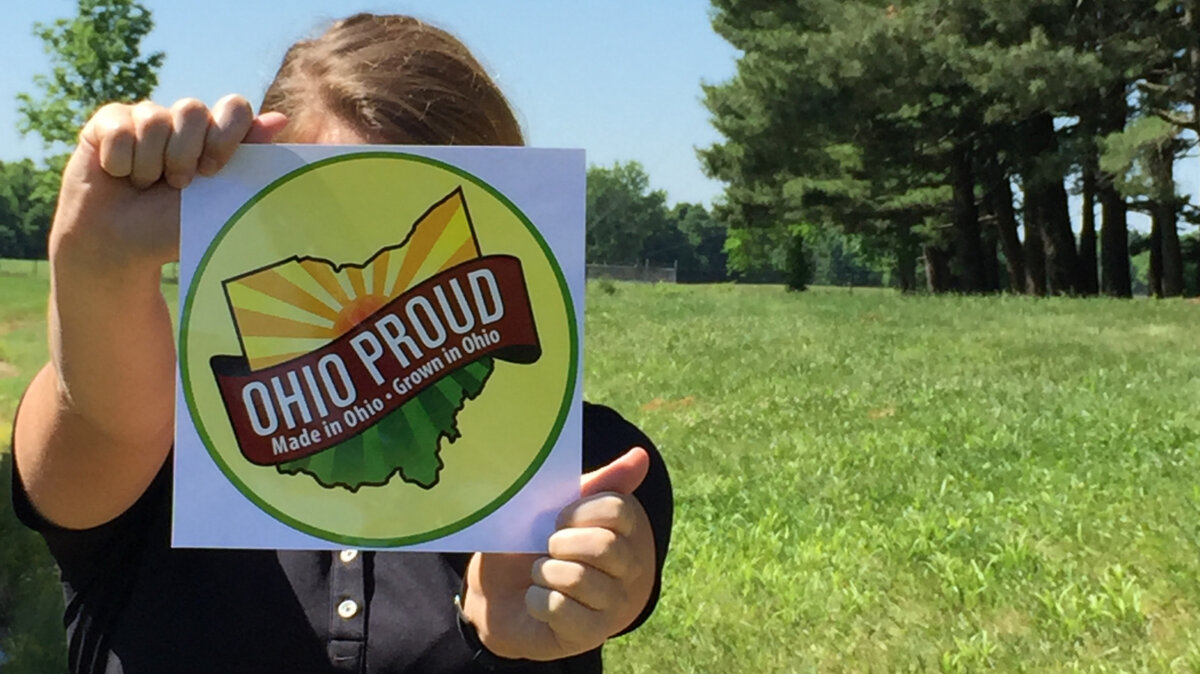
The Ohio Department of Agriculture offers Ohio Proud, a program that encourages Ohio residents to buy local.
Ohio Proud has 390 members, comprised of farmers, markets, and various related food producers and processors.
“To be a member in the Ohio Proud program, partners must have a food or agricultural product that’s at least 50 percent raised, grown, or processed in the state,” ODA spokesperson Bryan Levin told The Epoch Times.
“That could mean a small farm selling unprocessed fruits and vegetables at a farmers’ market or roadside stand, up to larger food companies in Ohio like Velvet Ice Cream, Kroger Co., and Conn’s Potato Chips.”
According to Levin, buying local is important to Ohio farmers and consumers who demand quality food yet face economic challenges.
“Small farms can face a host of economic pressures, from market swings in prices to the rising costs of inputs,” Levin said.
“Additionally, it can be challenging to compete with larger operations who may be able to benefit from easier access to markets and who can often offer a lower cost to consumers by producing on a larger scale.”
Ohio Proud helps in multiple ways. First, it offers small farmers the use of the “Ohio Proud” logo, which lets consumers identify products made and grown in Ohio.
The program also hosts the annual Ohio Proud Food Show, where members market themselves and their products directly to retail buyers, food service directors, and food distributors.
“Connecting Ohio Proud members with key decision makers so members can share their story and decision makers can sample products can go a long way toward overcoming market barriers,” Levin said.
The Ohio Proud website has tools to help Ohioans find local farms and farmers’ markets where they may buy fruits, vegetables, flowers, plants, and more.
And the program isn’t just for farmers: Some Ohio Proud members are cheese makers, hops growers, and coffee and candy makers.
Levin said buying local is especially important for smaller farmers because it invests money back into local communities.
“Buying honey from a local beekeeper at a farmers’ market supports that vendor but allows them to support other local businesses as well,” he said.
“For example, maybe that honey vendor wants to add new flavors, so they use Ohio Proud to help them source a farm that sells lavender to make a new lavender-flavored honey.
“We often see examples like this of our Ohio Proud members, both big and small, seeking out other Ohio Proud businesses when looking to source new ingredients, flavors.”
Planning for the Next Generation
According to Smith, for young farmers to succeed in the current economy, they must manage two harsh realities: Farm life is hard, and family farms have to plan ahead for the next generation.
“Growing up, my family went through super lean times, and we had times when things were better,” she said. “My parents never had a lavish life. My family didn’t take a vacation—we went away for a weekend.
“We went to a sheep sale and stayed at a state park, and that was a vacation. It was a different life, and you have to be willing to have that life.”
Then there’s succession planning.
“Nobody wants to talk about that, and a lot of people don’t want to plan for that,” Smith said.
“A lot of farms have two or three generations farming together. Well, you need to have a plan, whether that’s your will or whether that’s a long-term succession plan, for how your farm is going to carry on.”
As an example of how Ohio Farm Bureau helps farmers tackle these issues, Smith said the bureau is hosting an upcoming event on succession planning.
The event will feature an expert on passing down the family business.
“I’ll see people two and three times coming to a meeting like this to get themselves going. It’s just to keep the conversation going, so people can manage their farms, manage their businesses, get the tools to be able to carry on.”
 Friends Read Free
Copy
Facebook
Tweet
Friends Read Free
Copy
Facebook
Tweet