
Commentary
Last Wednesday, the Fed raised the key interest rate 0.25%, as expected, in a unanimous vote. The biggest surprise was that 16 FOMC members forecasted another key interest rate hike by the end of this year.
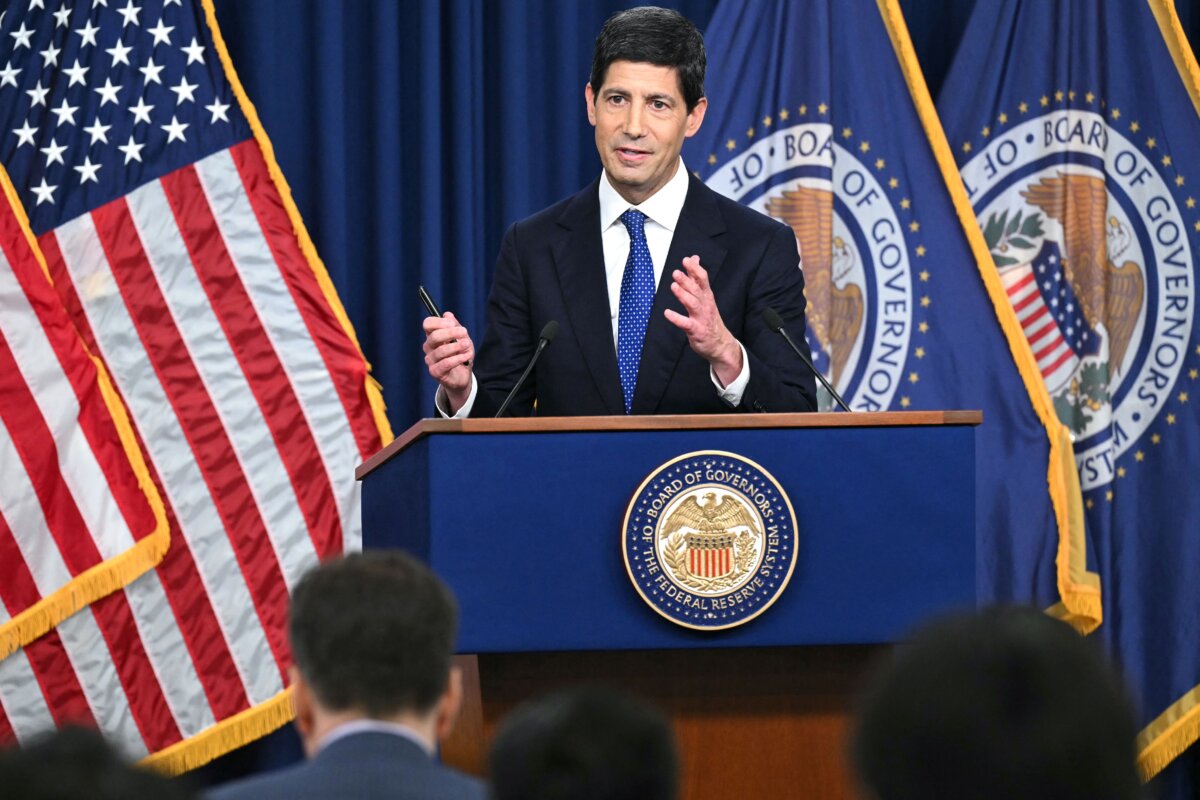
During his press conference, Fed Chairman Kevin Warsh said the FOMC vote “shows our resolve to achieve price stability on a timelier basis.” Warsh cited three developments that forged the unanimous vote, namely: (1) stronger economic growth, (2) insufficient improvement in inflation, and (3) increased geopolitical risks. This last point was key, since the prospect of more inflationary pressures from higher oil prices is clearly bothering the FOMC, as higher transport costs (e.g., diesel prices) fan fuel inflation.
President Trump was naturally not happy with the Fed rate hike, but his relationship with Kevin Warsh remains fine, as he acknowledged talking with the Fed Chair before the FOMC meeting, saying, “You might as well vote with the board, because it’s just not going to matter,” as “the board is very hostile.”
The U.S. Dollar strengthened after the Fed rate hike, and long-term rates stabilized. Bonds and the dollar would have been hurt by a rate cut or a status quo vote. Even though President Trump wanted a rate cut, Warsh did the President a favor by citing geopolitical risks: If Trump can stop some major hostilities in the world and get crude oil prices to decline, the Fed may run out of reasons to raise key interest rates.
Here are the most important developments recently and what they mean:
– President Trump will address the United Nations (UN) today, and Iranian President Masoud Pezeshkian will address the UN on Wednesday. It will be interesting if President Trump meets with Iran President Pezeshkian, since Iran has only been negotiating with the U.S. through intermediaries. Since Chinese President Xi is also in the U.S. for an official White House State Dinner on Thursday, it will be interesting if China asks Iran to keep the Strait of Hormuz open, since China has traditionally been the largest buyer of Iranian crude oil. The bottom line is crude oil prices have fallen this week on the hope that diplomacy will help to stop the fighting.
– Looking forward to the third-quarter earnings announcements, the S&P 500 is forecasted to post a 28.9% average annual increase. October is a seasonally strong month. Then, in early November, the midterm elections will be over, and the uncertainty will end. Since President Trump front-loaded his economic agenda, there is no election outcome that can derail his agenda and the AI revolution that is now underway. The data center order backlogs now extend out to 2032, so there is no stopping the data center boom.
– The mid-term elections are just a distraction. Chinese bots have been planting false stories in a futile attempt to slow AI and data center momentum. Fortunately, as soon as the mid-term elections are over, the false narratives are expected to diminish. The reason that the stock market has historically done well after the mid-term elections is that everyone will turn their attention to the holidays, which is a happy time of year. Essentially, when people are happy, investor sentiment naturally rises. This is a good time to remind everyone that the U.S. remains an economic oasis and is not being derailed by high energy prices, since the U.S. is energy independent.
– While retail sales collapsed 0.6% in the eurozone, led by a 3.4% decline in Germany, in the U.S. retail sales are booming. French President Emmanuel Macron is now calling for an emergency G7 meeting about skyrocketing energy prices that hurt Europe much more than the U.S. Essentially, it is easier to make diesel from intermediate to heavy grades of crude oil that Russia, Saudi Arabia, and the U.S. refine. With two of the three largest refining countries going offline, Europe is now in a pickle, since the light sweet crude oil they get from Africa is not ideal for massive diesel production. Furthermore, two European oil refiners have been notified by Saudi Arabia that they will not receive any crude oil in October due to the Red Sea pipeline shutdown. Europe, with its aging demographic problems and lack of immigrant assimilation, appears to now be on the verge of a recession complicated by the fact that it is being crippled by high diesel and jet fuel prices that hinder commerce.
In summary, the U.S. remains an oasis in the world for innovation, competitiveness, and increasingly international capital. The best line I heard recently was that America innovates (creates great companies), China replicates (copies stolen technology), and Europe regulates (EU bureaucracy). After the Fed raised key interest rates, the U.S. dollar strengthened and Treasury yields stabilized. Treasury Secretary Bessent has made it crystal clear that the U.S. intends to grow its way out of its deficit problems. As a result, as you look around the world, the U.S. remains the economic engine for growth, and the stunning GDP growth now unfolding is expected to result in wave after wave of better-than-expected third-quarter earnings announcements that will propel fundamentally superior stocks dramatically higher.
 Friends Read Free
Copy
Facebook
Tweet
Friends Read Free
Copy
Facebook
Tweet