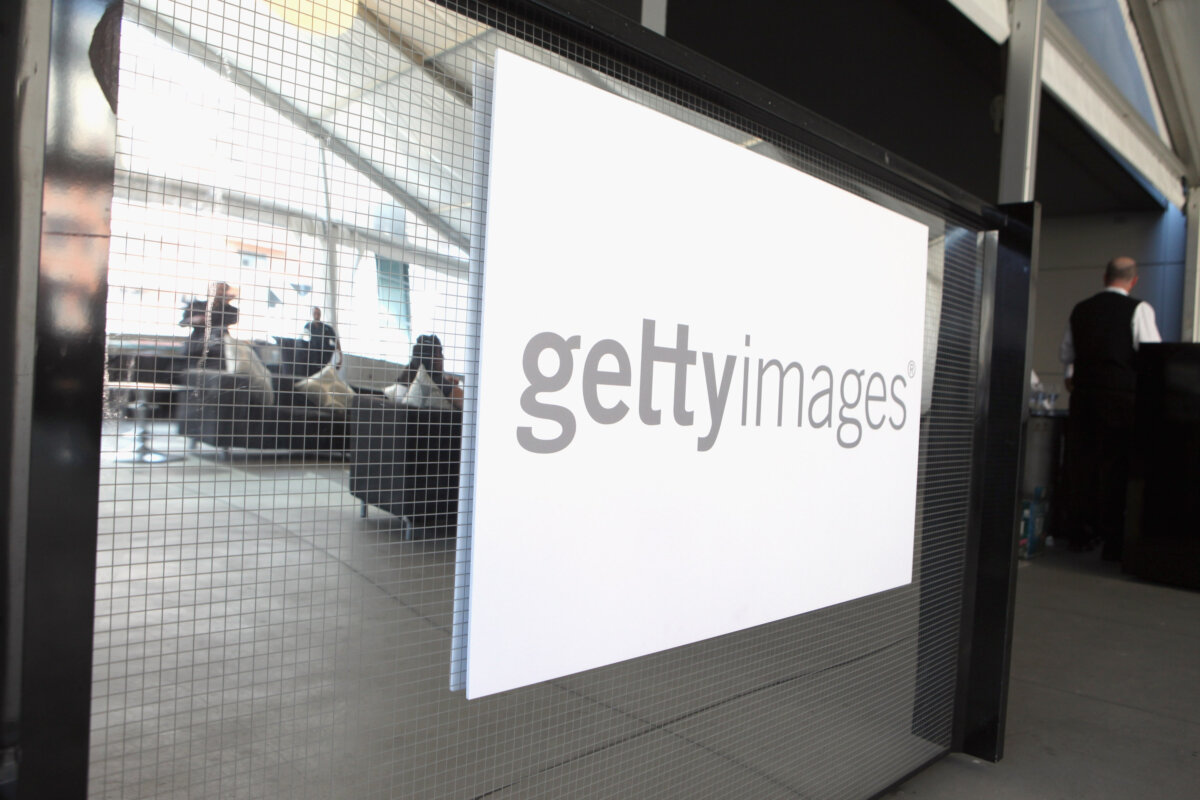

Getty Images is filing for Chapter 11 bankruptcy and becoming a private company through a restructuring deal with the Koch family’s investment arm.
The stock-image provider said Monday that members of the Getty family, through affiliated entities, and affiliates of Koch Equity Development have committed to invest up to $533 million in new equity.
Once the restructuring is completed, those investors would own 100 percent of the privately held company.
“This transformational transaction is underpinned by the strength of the business and the significant growth potential we see ahead,” Mark Getty, the company’s cofounder and chairman, said in a statement.
The company expects to complete the restructuring by the end of the year.
Getty said the bankruptcy process is not expected to disrupt day-to-day operations. Employees, customers, contributors, and partners are expected to be unaffected, while vendors will continue to be paid.
Koch Equity Development will also provide up to $143 million in financing to support Getty during the restructuring.
The deal follows months of pressure on Getty’s balance sheet. An investor presentation released alongside the restructuring materials showed total debt of about $2.07 billion as of June 30, up from roughly $1.31 billion at the end of 2024.
Getty said its liquidity had been consumed by debt service and several non-operating expenses, including costs related to its failed merger with rival Shutterstock.
In June, Getty abandoned its planned $3.7 billion merger with Shutterstock after British antitrust regulators demanded that the latter sell its editorial business as a condition of approval, citing concerns over the supply of news content in the United Kingdom.
According to Getty, it issued $628.4 million of senior secured notes carrying a 10.5 percent interest rate to help finance the Shutterstock merger. The money was meant to cover the cash portion of the deal and repay Shutterstock debt.
Since the merger was called off, Getty was required to redeem the notes at 100 percent of their issue price plus accrued and unpaid interest, as required under the terms of the deal.
The restructuring also comes as Getty navigates major changes in the licensed-image market, where generative artificial-intelligence tools are giving businesses new ways to create visual content.
In fact, the now-scrapped Shutterstock merger had itself been pitched in part as a way for the two companies to deal with growing competition from AI-generated imagery.
In June, Getty announced a multi-year partnership with OpenAI that allows licensed Getty photos to appear in search and discovery experiences within ChatGPT. The agreement covers the display of Getty content rather than its use to train OpenAI models.
Getty has previously taken a more confrontational approach toward other AI developers. In 2023, it sued Stability AI, accusing the British developer of using millions of Getty images without permission in developing its Stable Diffusion image-generation system.
Last November, the High Court of England and Wales rejected major parts of Getty’s case, including a secondary copyright infringement claim, after Getty dropped its central training-related copyright claim during the trial. The court did, however, find limited trademark infringement involving Getty watermarks in some AI-generated images.
 Friends Read Free
Copy
Facebook
Tweet
Friends Read Free
Copy
Facebook
Tweet