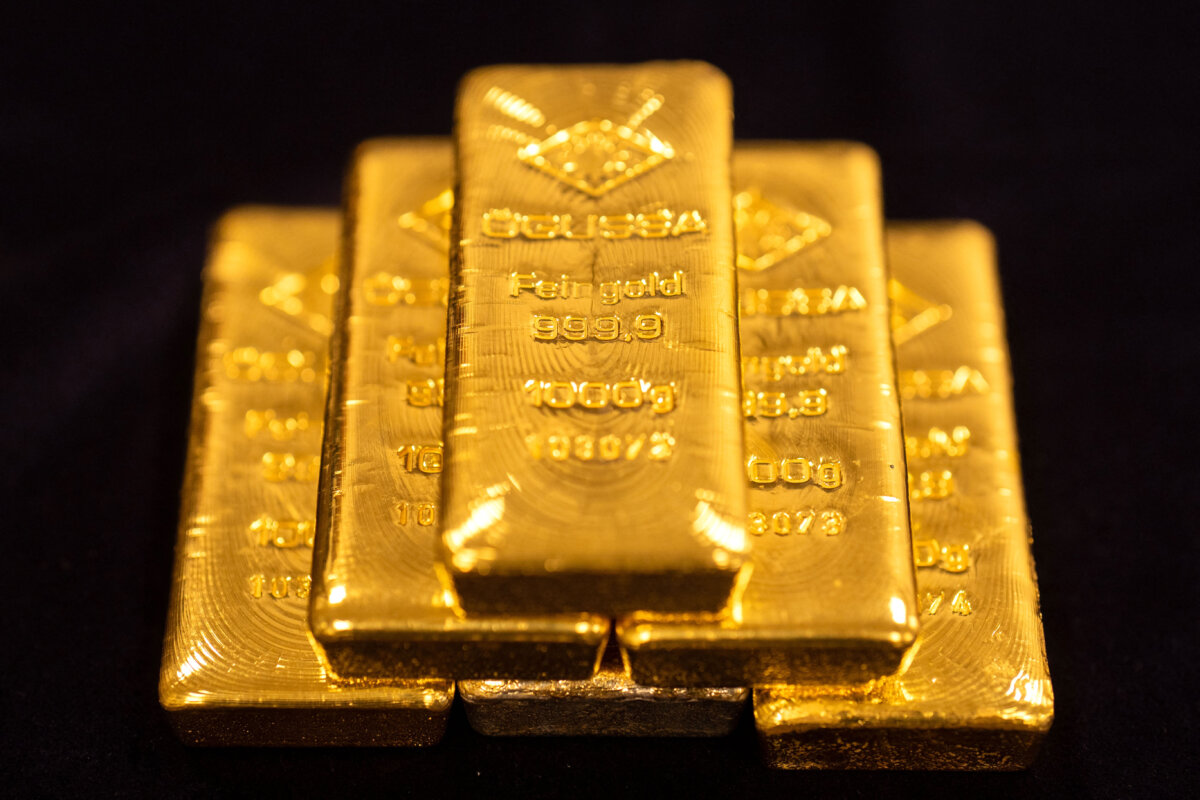

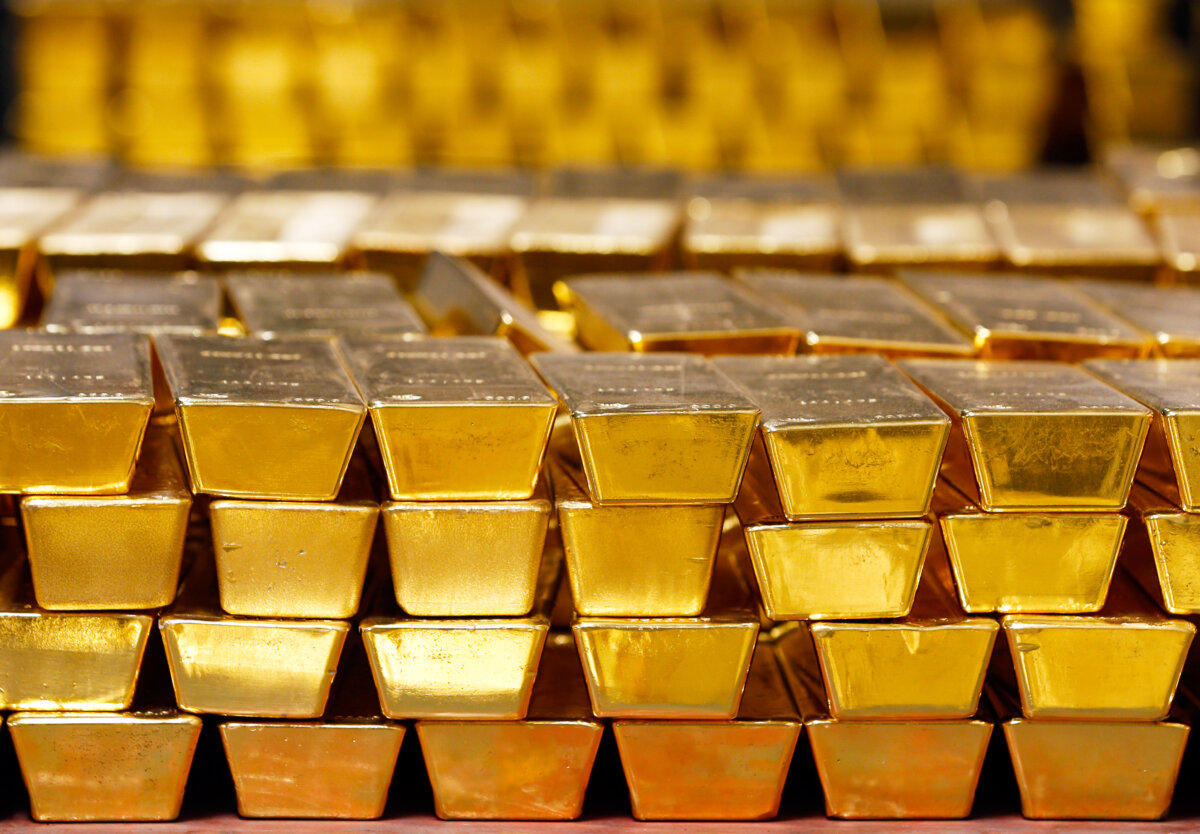
Gold prices surged to a fresh all-time high above $5,300 an ounce on Jan. 28, extending a powerful rally fueled by a weaker U.S. dollar, rising geopolitical risk, and growing expectations that U.S. interest rates will move lower in the months ahead.
Spot gold climbed more than 1.5 percent to $5,260.28 an ounce by 7:14 a.m. EST, according to TradingView, after touching a record $5,311.31 earlier in the session. Prices had already gained more than 3 percent in the previous trading day.
U.S. gold futures for February delivery rose by more than 3 percent to $5,253.10 an ounce.
Analysts have said gold’s surge signals more than a fleeting flight to safety, pointing to a wider reappraisal of global monetary and fiscal policy dynamics.
“Gold is rising not merely due to market anxiety, but because confidence in the global monetary–fiscal order is shifting toward a more cautious stance,” XS.com Senior Market Analyst Linh Tran said.
Dollar Weakness Underpins Rally
The U.S. dollar slid to a four-year low on Jan. 27, pressured by expectations of continued Federal Reserve easing, uncertainty surrounding U.S. tariff policy, concerns over fiscal deficits, and investor unease over policy volatility.
Losses in the dollar index, which tracks the greenback against six major currencies, came despite comments from President Donald Trump that appeared to play down the currency’s recent declines.
When asked on Jan. 27 whether he was concerned about the dollar’s weakness, Trump told reporters in Iowa that its value was great, adding that he wanted it to “just seek its own level.”
A weaker dollar tends to support gold by making the metal cheaper for holders of other currencies, while also reinforcing its appeal as a store of value when confidence in fiat currencies erodes.
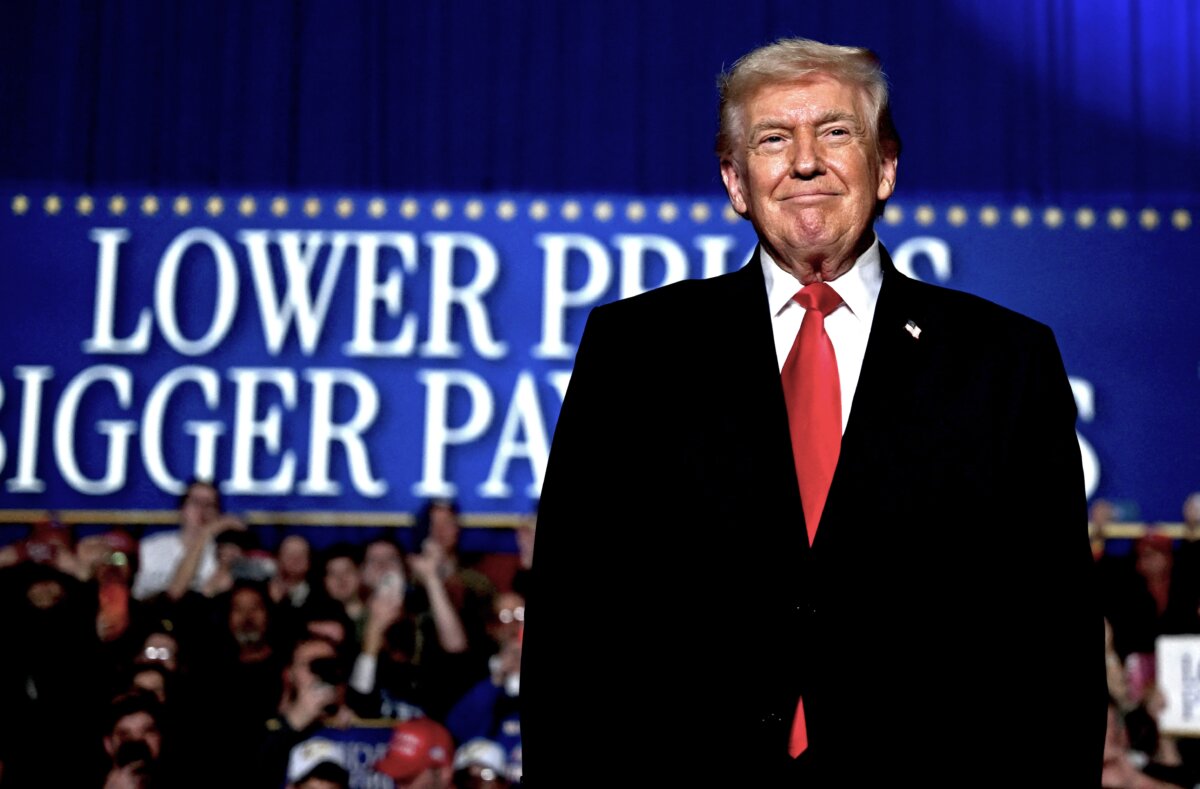
Trump’s comments came ahead of a speech focused on the economy, in which he highlighted record stock market levels, rising wages, and tariff-driven investment commitments that he said would help rebuild U.S. manufacturing capacity. He also renewed criticism of the Federal Reserve, accusing it of being too slow to cut interest rates.
The president said he would soon announce his choice for the next Fed chair, reiterating his view that borrowing costs should fall sharply.
“When we have a great Fed chairman, I think we’re going to have one. I’ll announce it pretty soon. You’ll see rates come down a lot,” Trump told the crowd in Iowa, again criticizing current Chair Jerome Powell as being “too late” to ease policy.
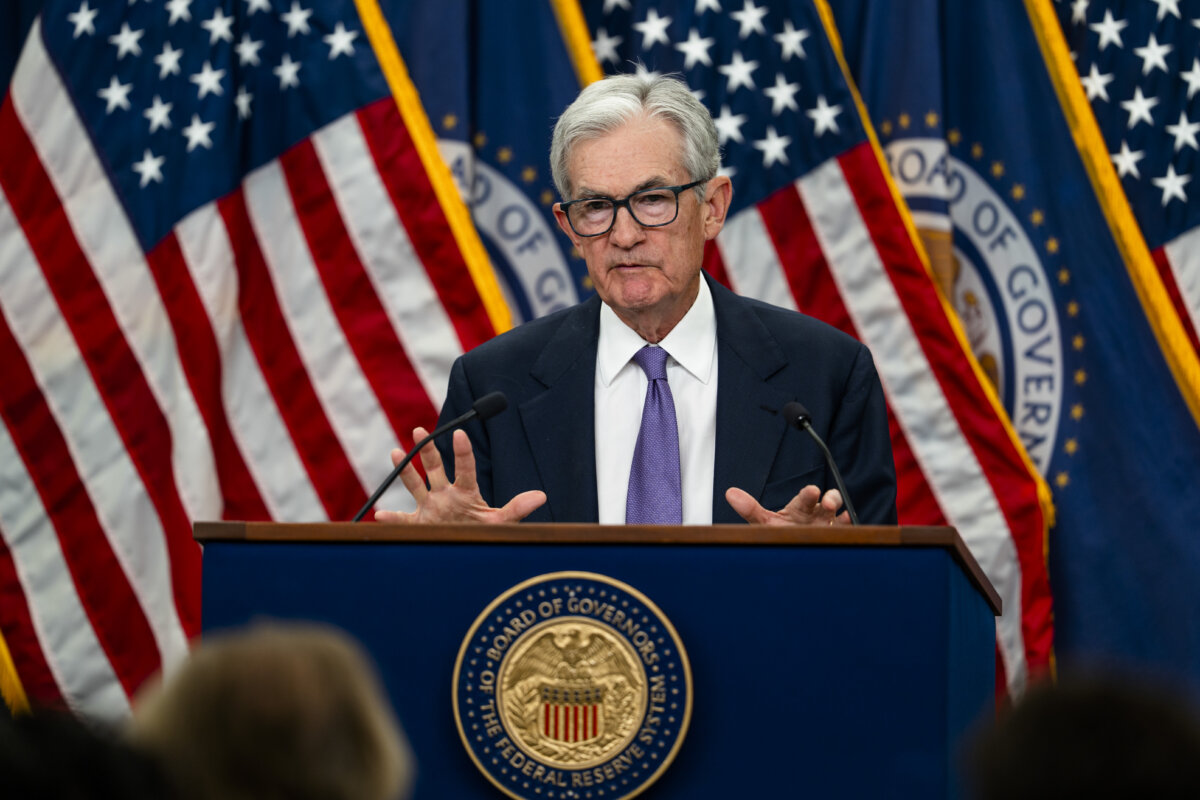
Powell and other Fed officials have defended their stance, saying inflation pressures remain elevated and that more data is needed to confirm that price growth is moving sustainably toward the Fed’s 2 percent target. The personal consumption expenditures price index, the Fed’s preferred inflation gauge, rose 2.8 percent in November from a year earlier, up from 2.7 percent in October, according to data released last week.
Markets widely expect the Fed to hold rates steady at the conclusion of its Jan. 27–28 policy meeting, with the benchmark federal funds rate currently in the 3.5 percent–3.75 percent range.
Momentum for Greenback Remains Fragile
Analysts at ING said in a Jan. 28 note that a pause by the Fed could offer near-term support for the dollar, but warned that momentum remains fragile.
“Our take is that a Fed shifting to a pause could provide the dollar with some support,” they wrote. “However, were any rally to prove weak and the dollar to end up lower on the day, even if short-dated US yields rose, then it would signal very bearish dollar momentum.”
ING analysts added that upcoming earnings from major U.S. technology firms could also influence currency markets, noting that U.S. consumption remains heavily linked to stock market performance.
“Should DXY [the dollar index] manage to break fully clear of last year’s lows near 96.20, we could be well on the way to a decent 3 percent leg lower in the dollar,” they wrote. “It is hard to back that up with fundamentals, but the burden really is now on the dollar to prove otherwise.”
Gold’s appeal has also been reinforced by expectations that a future Fed leadership team may be more receptive to White House pressure for lower rates.
“The truth is that any one of the candidates that will be proposed will probably be less resistant than Powell to Trump’s demands, which falls into gold’s favor,” WisdomTree Commodities Strategist Nitesh Shah said.
The non-yielding metal typically performs well in low-rate environments. Gold has gained more than 20 percent since the start of the year, building on last year’s record advance.
Analysts at Deutsche Bank said on Jan. 27 that gold prices could climb to $6,000 an ounce this year, citing persistent investment demand and central bank buying.
“In alternative scenarios, a $6,900 per ounce price would in fact be more in line with the past two years’ outperformance,” Deutsche Bank added.
Physical demand has remained resilient despite record prices, with strong retail interest reported in Shanghai and Hong Kong. While high prices may dampen jewelry consumption, analysts say they continue to attract speculative and investment flows.
Elsewhere in the metals complex, spot silver was at $112.50 an ounce as of 7:14 a.m. EST on Jan. 28 after hitting a record $117.69 earlier in the week. Silver has gained nearly 60 percent so far this year, supported by strong industrial demand and tight supply.
“Support for silver has been reinforced by a weaker US dollar, lower real yields, and stronger investor appetite for hard assets amid heightened policy uncertainty,” ING Commodities Strategist Ewa Manthey wrote in a recent note, adding that despite some downside risks such as the potential for a sharper slowdown in the global economy, the setup for silver remains “constructive.”
Reuters contributed to this report.
 Friends Read Free
Copy
Facebook
Tweet
Friends Read Free
Copy
Facebook
Tweet