
Larger tax refunds and the FIFA World Cup could not provide enough support for the U.S. economy as GDP growth came in below expectations for the second quarter, new government figures reveal.
The U.S. economy expanded 1.5 percent during the April–June period, down from the 2.1 percent gain in the first three months of 2026, according to data released on July 30 by the Bureau of Economic Analysis.
Economists had projected growth of 2.1 percent.
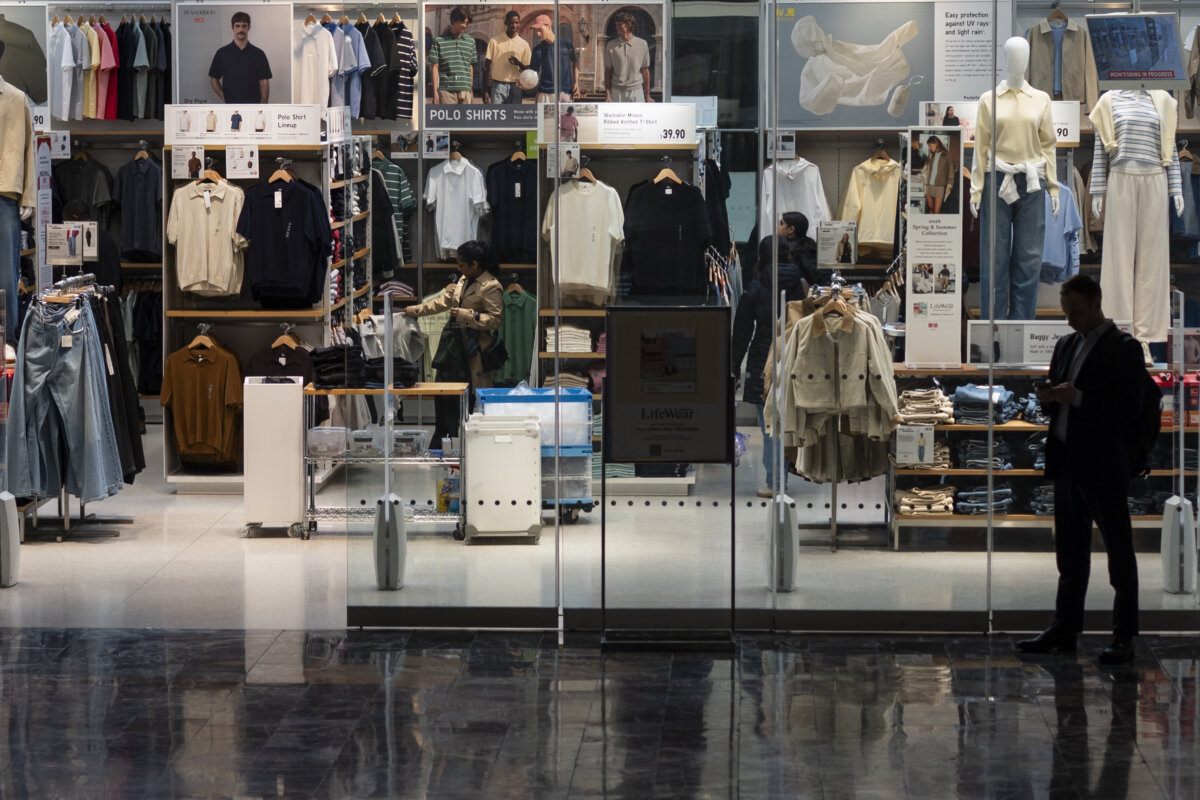
Consumer spending was the largest driver of second-quarter growth, surging 3.2 percent—up from 0.5 percent in the January–March period.
Gross private domestic investment also contributed sizably to last quarter’s expansion, climbing 3 percent. Within this category, business investment advanced more than 8 percent, reflecting the artificial intelligence (AI) infrastructure buildout.
Exports also jumped more than 4 percent, although shipments of U.S. goods are expected to slow in the current quarter. In recent months, U.S. exports have eased from their record highs, driven in part by a strengthening U.S. dollar.
These positives were slightly offset by a surge in imports and a modest decline in government spending.
Imports advanced nearly 12 percent, while government consumption fell 0.8 percent.
In addition, the GDP Price Index—the average change in prices of all goods and services produced domestically—rose by more than 6 percent, much higher than the consensus forecast of 3.6 percent.
Looking ahead to the third quarter, the New York Federal Reserve’s Staff Nowcast indicates growth coming in at 2.8 percent.
Opening Wallets
Consumers have been keeping their wallets open this year, despite headwinds that have impacted the broader economy.
Revived inflation pressures from the war in Iran have squeezed household budgets, mainly through higher gasoline prices.
The national average for a gallon of gas is firmly above $4 again amid renewed hostilities between the United States and Iran.
But data throughout the second quarter have shown shoppers being resilient.
Despite the pain at the pump accounting for a greater share of monthly retail sales, Americans have continued to spend in other areas.
Still, stubborn inflation has been weighing on consumer sentiment.
While the University of Michigan’s July Consumer Sentiment Index rebounded to its highest level since February, the widely watched survey was conducted before the resumption of the U.S.–Iran conflict.
The final reading—to be published on July 31—will be revised downward, says Christian Floro, market strategist at Principal Asset Management.
July’s final UMich consumer sentiment reading will likely slip back as inflation expectations rise, with higher gas prices, renewed Middle East conflict, and fresh U.S. import tariffs all suggesting that recent gains in sentiment may prove short‑lived, Floro said in an emailed note to The Epoch Times.
“These developments underscore how quickly shifts in the economic and geopolitical backdrop have structurally weighed on sentiment,” he stated.
Real (inflation-adjusted) hourly and weekly wages have taken a hit in recent months, though they strengthened from May to June. But numbers shared by economist Stephen More suggest that real wage growth has been strengthening for the past year.
Inflation remains a challenge, especially for the Federal Reserve.
The U.S. central bank left interest rates unchanged for the fifth consecutive meeting, and traders largely anticipate the Fed will pull the trigger on a rate hike in September.
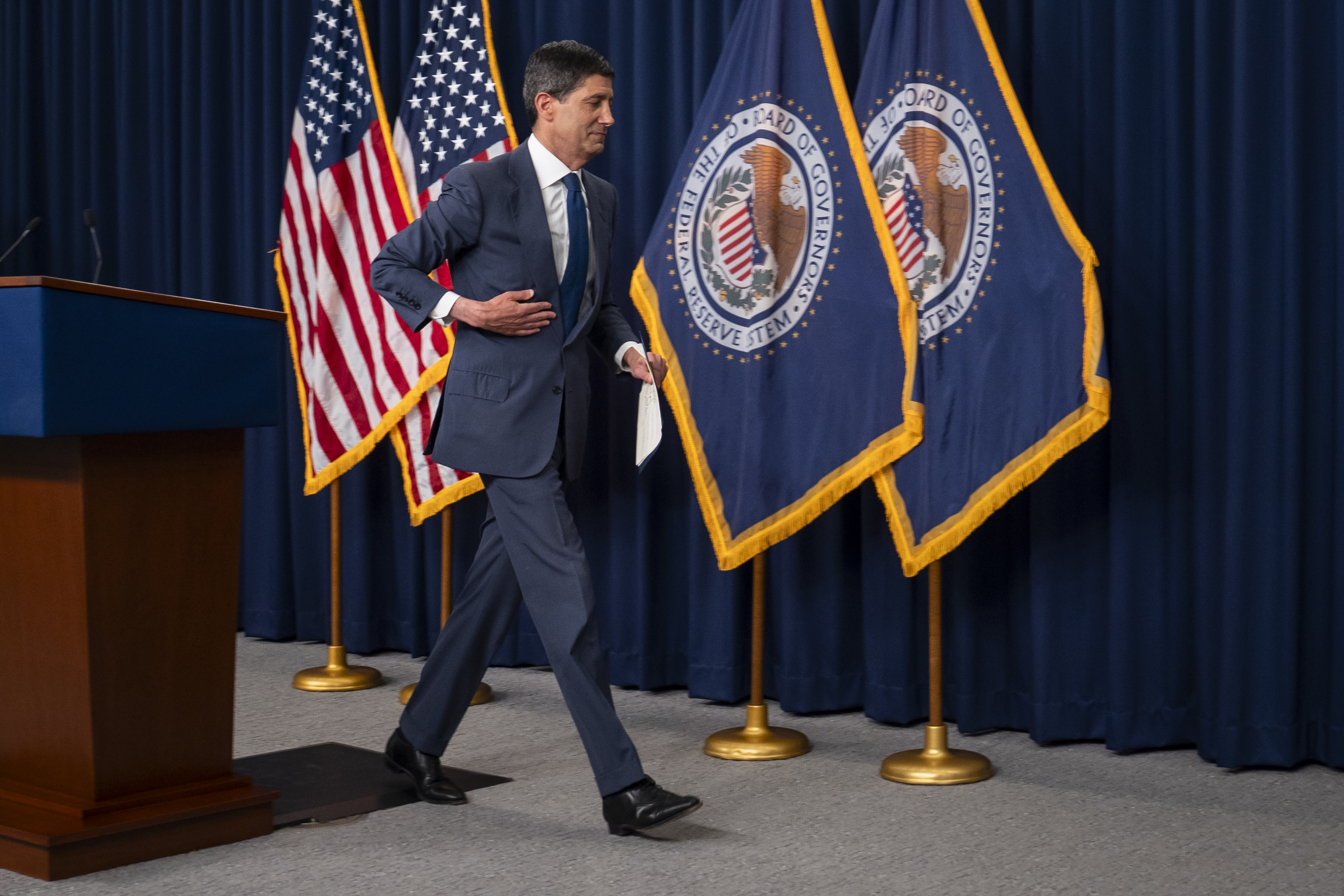 Federal Reserve Chairman Kevin Warsh leaves after speaking during a press conference in Washington on July 29, 2026. (Madalina Kilroy/The Epoch Times)
“This could be considered a hawkish hold because they didn’t change rates, but they continued to highlight price stability as the biggest risk and by [sic] downplayed any risks to employment.”
The Fed will hold its next two-day Federal Open Market Committee meeting in mid-September.
The Fed’s preferred inflation gauge—the Personal Consumption Expenditures (PCE) Price Index—eased to 3.7 percent in June, in line with expectations. Core PCE inflation, which omits the volatile energy and food categories, slowed to 3.3 percent, also matching the consensus forecast.
AI Capex Boom
As seen in the latest batches of GDP reports, business investment has contributed sizably to economic growth.
The artificial intelligence-related buildout—from data centers to semiconductors—is expected to persist for quite some time, particularly as more hyperscalers raise their capital expenditures forecasts.
June durable goods orders, for example, rose by 0.3 percent. Digging underneath the hood provides a clearer picture of how AI capex is boosting growth.
Excluding transportation, orders jumped 0.6 percent. Core capital goods orders also rose by almost 1 percent.
Wall Street has spotlighted its consternation this year, but the leading tech companies have insisted they plan to continue spending to keep up with enormous demand.
“Investors are suffering from AI fatigue,” Ed Yardeni, economist at Yardeni Research, said in a July 27 note.
“They’ve concluded that there is no way to estimate whether all the capital spending on AI infrastructure will generate good ROIs in the coming years. What they do know is that hundreds of billions of dollars are being spent on AI capex in the here and now.”
Microsoft was the latest firm to report that its capital spending plans would likely go up next year. Alphabet and Tesla Motors were the others during the current earnings season to bolster their capex projections. Analysts expect other tech companies will do the same.
This year, the AI behemoths are projected to spend up to $1 trillion. Market watchers estimate the tally will be another $1 trillion next year.
“We still don’t know where or when the cycle is going to peak, but we do at this point know that it’s not peaking this year and next,” John Belton, portfolio manager at Gabelli Funds, said in an emailed note to The Epoch Times.
 Friends Read Free
Copy
Facebook
Tweet
Friends Read Free
Copy
Facebook
Tweet