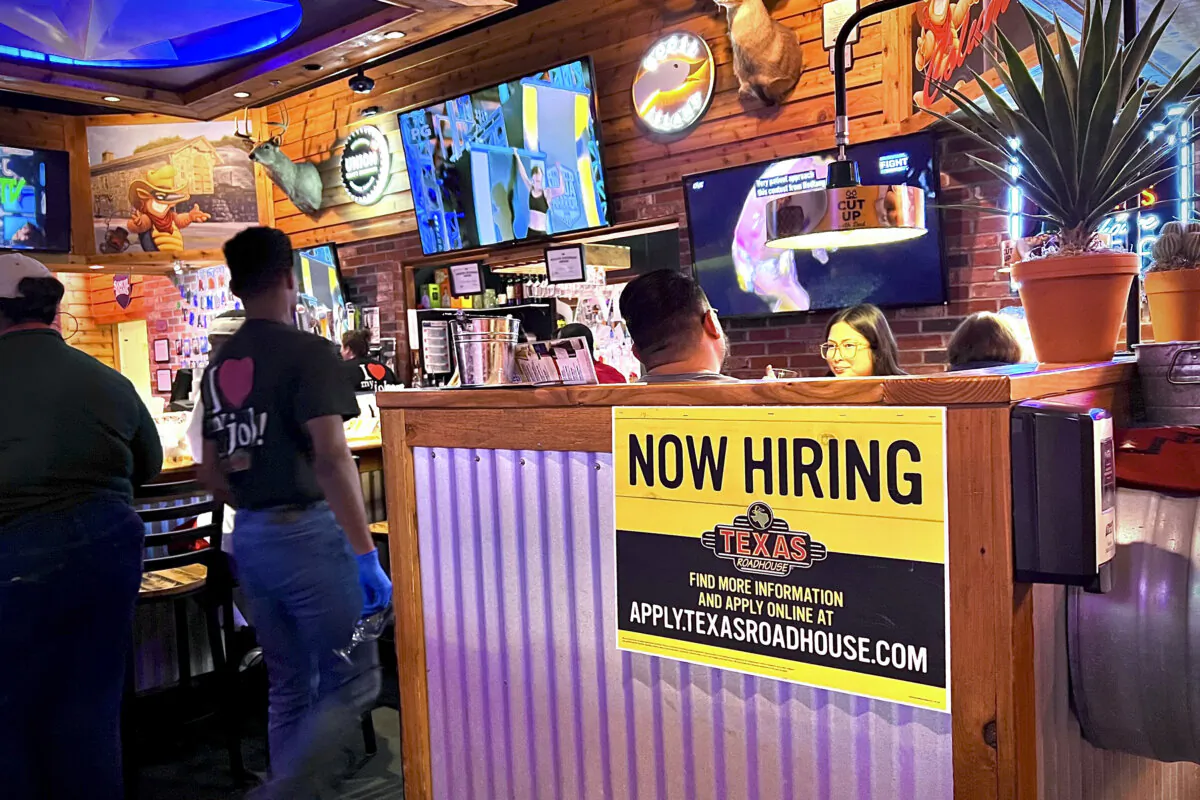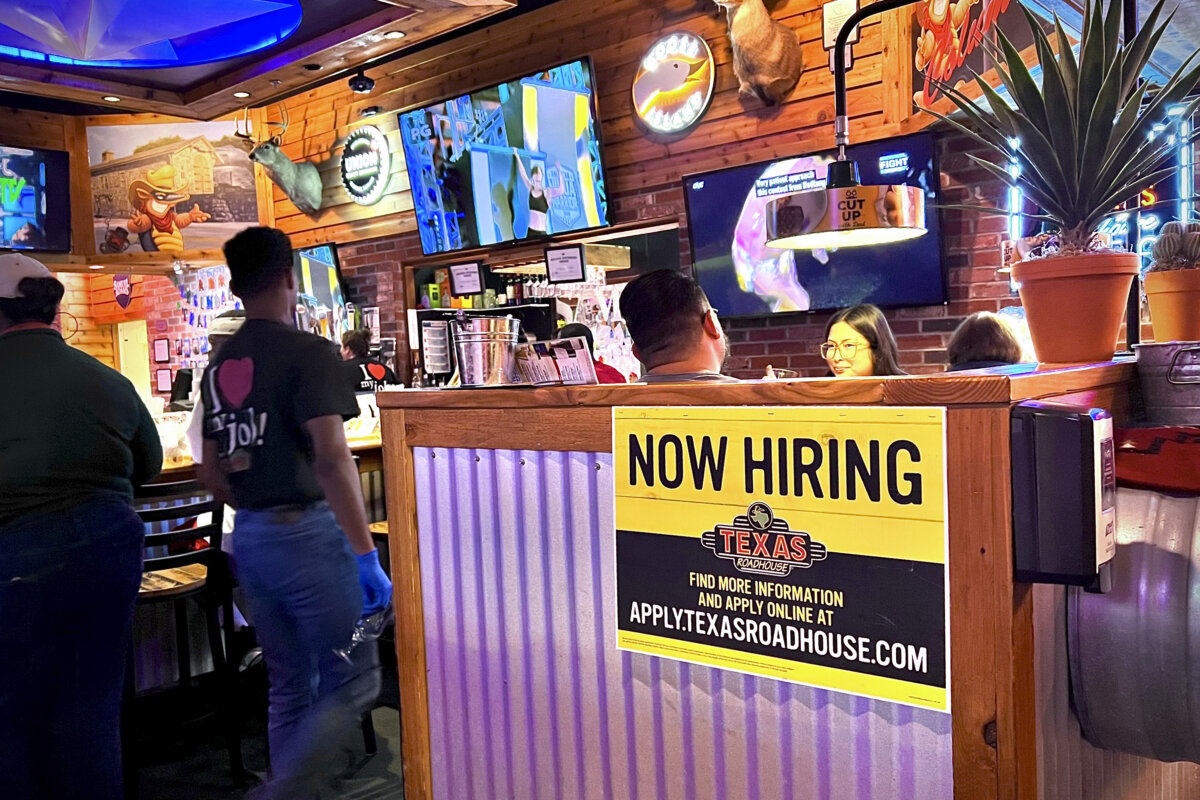

The U.S. labor market brushed aside the Iran war and rising inflation, as job openings climbed to their highest level since November 2024, according to new government data.
The number of job vacancies spiked by 731,000 to 7.618 million in April, according to the Bureau of Labor Statistics’ widely watched Job Openings and Labor Turnover Summary (JOLTS) report released on June 2.
Economists had anticipated openings tumbling for the third consecutive month, penciling in an estimate of about 6.88 million.
March’s reading was also adjusted slightly upward to 6.887 million.
The surprise surge was largely driven by professional and business services (668,000). It was partially offset by a 135,000 decrease in openings in the finance and insurance industry.
But while the demand for labor accelerated, oft-described “low fire, low hire” conditions persisted as the second quarter kicked off.
The number of new hires declined by 419,000 to 5.1 million. “Hires were little changed in all industries,” the bureau said.
Layoffs and discharges were little changed at 1.7 million, with retail trade declining by 88,000.
Job quits dropped to 2.977 million—the lowest level since mid-2020—from a downwardly revised 3.16 million. The quits rate—voluntary job leavers as a percentage of total employment—dipped to 1.9 percent, also the lowest since 2020.
This is a proxy used by economists to determine how workers view current employment conditions. The latest figures suggest fewer workers are voluntarily leaving their positions.
Total separations—quits, layoffs, discharges, deaths, and retirements—decreased by 399,000 to 5 million.
Economists have warned that the confluence of factors, whether the three-month-old war in Iran or the reacceleration of inflation, would suppress hiring activity. However, the data suggest that the job market could be warming up heading into the summer season and be on the cusp of expansion rather than stagnation.
Prelude to May Payrolls
The bureau’s JOLTS report kicks off a week of employment indicators.
Fresh updates to private-sector payrolls and employers’ planned job cuts will be released on June 3 and 4, respectively. The main event will take place on June 5, when the May jobs report is published.
Early estimates suggest the economy added 85,000 new jobs last month, and the unemployment rate held steady at 4.3 percent.
Shrinking immigration and lower labor force participation are expected to keep the unemployment rate low for the foreseeable future, according to economists at RBC Economics.
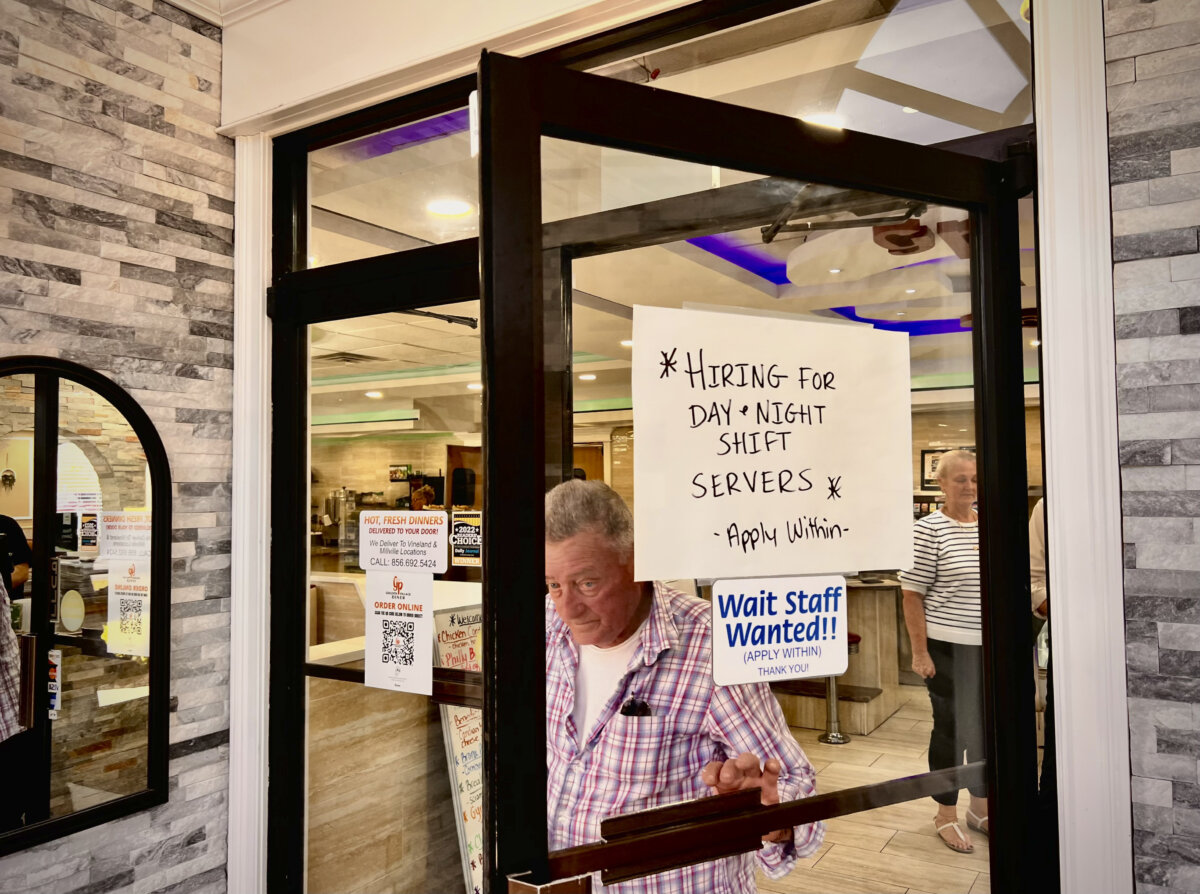
“Our estimate of breakeven employment remains exceptionally low, as retirements create openings that when backfilled, don’t show up as a payroll gains,” they said in a May 29 note.
“Coupled with the precipitous fall in immigration, the labor market needs far fewer new jobs for the unemployment rate to hold steady.”
Prior to the nonfarm payrolls report, new research has been released assessing labor market trends, particularly for younger workers.
Working From Home
On college campuses across the United States, videos of graduates jeering artificial intelligence (AI) have gone viral across social media.
A recent Marist University survey found that 73 percent of Americans aged 18 to 29 believe AI will decrease the number of jobs, and 70 percent of undergraduates say finding jobs will be hard.
The unemployment rate for recent college graduates aged 22 to 27 is 5.6 percent, hovering around pandemic-era levels, according to data from the Bureau of Labor Statistics. This is also higher than the 3.1 percent jobless rate for all college graduates.
But while the younger generation of workers is blaming AI for the difficulty of navigating the job market, a new paper suggests that remote work could be the primary cause.
New York Fed economists say the prevalence of remote work since the pandemic could make employers reluctant to hire fresh graduates “because it is more difficult to teach them the requisite skills from afar.”
“We estimate that remote work can explain 64 percent of the recent increase in unemployment among young college graduates. Further, the timing of this surge suggests that remote work—not generative AI—explains the bulk of the rise in youth unemployment,” the regional central bank’s economists said in a June 1 paper.
Still, they noted that AI “may play a more primary role” in employment patterns moving forward.
 Friends Read Free
Copy
Facebook
Tweet
Friends Read Free
Copy
Facebook
Tweet