
Chinese authorities have launched a sweeping campaign against unlicensed cross-border securities trading in a move that is aimed at curbing capital outflows and enforcing strict capital controls.
The China Securities Regulatory Commission (CSRC), along with seven other regime agencies, issued a joint plan on May 22. Approved by the State Council, it sets a two-year period to eliminate such activities.
The plan targets overseas brokerages operating in mainland China without licenses. Existing investors can sell assets and withdraw funds during the transition but cannot make new purchases or deposits.
The CSRC stated that it would penalize three firms: Futu Securities International (Hong Kong), Tiger Brokers (New Zealand), and Longbridge Securities (Hong Kong). Illegal gains from their domestic and overseas entities will be confiscated, with further penalties planned.
Futu Holdings announced that it received a pre-notification of administrative penalties. According to the company, the CSRC proposed a total fine of about RMB 1.85 billion ($271 million), plus a personal fine of RMB 1.25 million ($184,000) on founder and CEO Li Hua.
Citic Securities, China’s largest investment bank, estimated the measures could affect HK$200 billion to HK$250 billion ($26 billion to $32 billion) of assets in Hong Kong. It stated that Futu accounts for HK$150 billion to HK$180 billion, with Tiger Brokers at HK$45 billion to HK$50 billion.
Analysts at Citic, led by Tian Liang, noted that the figure does not mean immediate large-scale selling. They said any equity sales would likely happen gradually and that the market fallout should be manageable.
“I don’t think there’s a huge impact to the market at this moment given the time horizon is about two years,” William Ma, chief investment officer at Grow Investment Group, said in a direct interview with Bloomberg’s “Insight with Haslinda Amin.” He said penalties would affect broker earnings more than stock prices in the short term.
The CSRC first highlighted the illegality of such activities in December 2022. Mainland investors have turned to overseas markets seeking better returns as Chinese equities lagged this year.
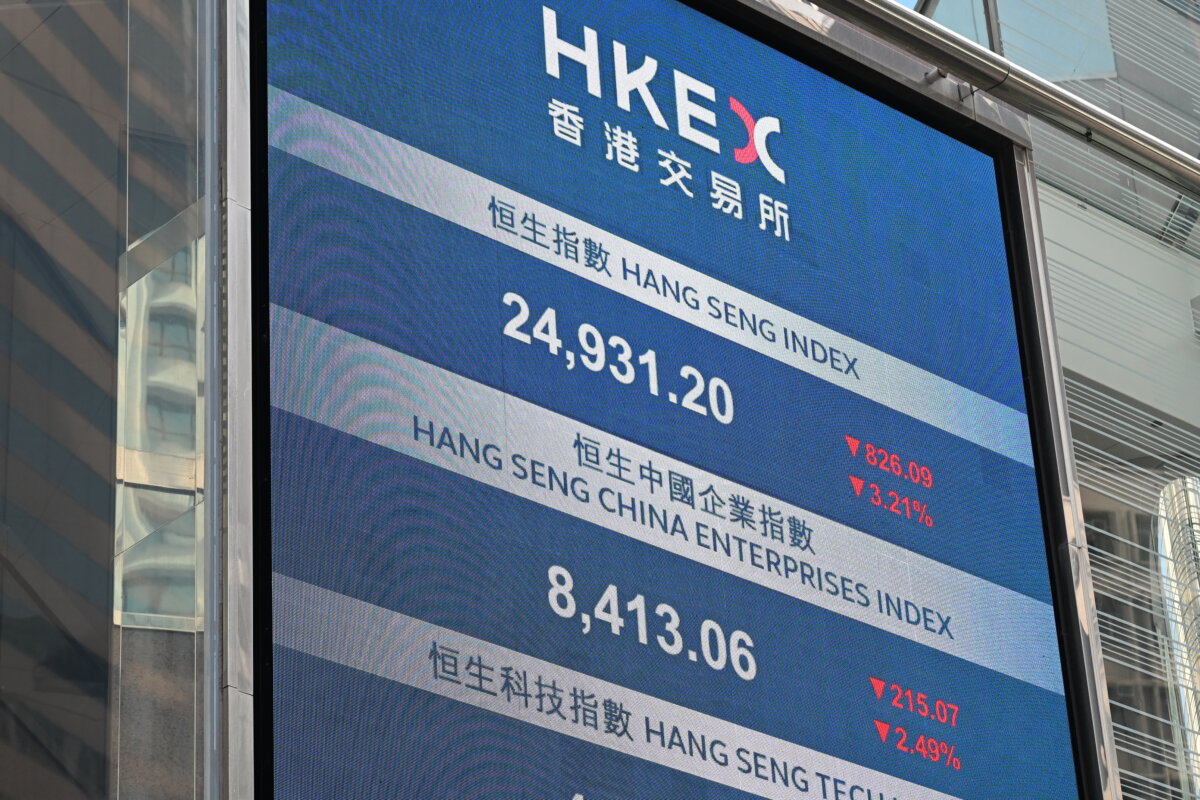
China’s CSI 300 index rose by 1.2 percent on May 25. The Nasdaq Golden Dragon China Index fell by 2.2 percent on May 22. Futu shares dropped sharply after the announcement.
The campaign directs investors toward approved channels such as Stock Connect and Qualified Domestic Institutional Investor plans. It also covers domestic partners and online platforms aiding unlicensed services.
This represents Beijing’s strongest effort yet to control retail access to overseas markets outside official routes. Investor asset safety is protected during the transition, regulators said.
 Friends Read Free
Copy
Facebook
Tweet
Friends Read Free
Copy
Facebook
Tweet