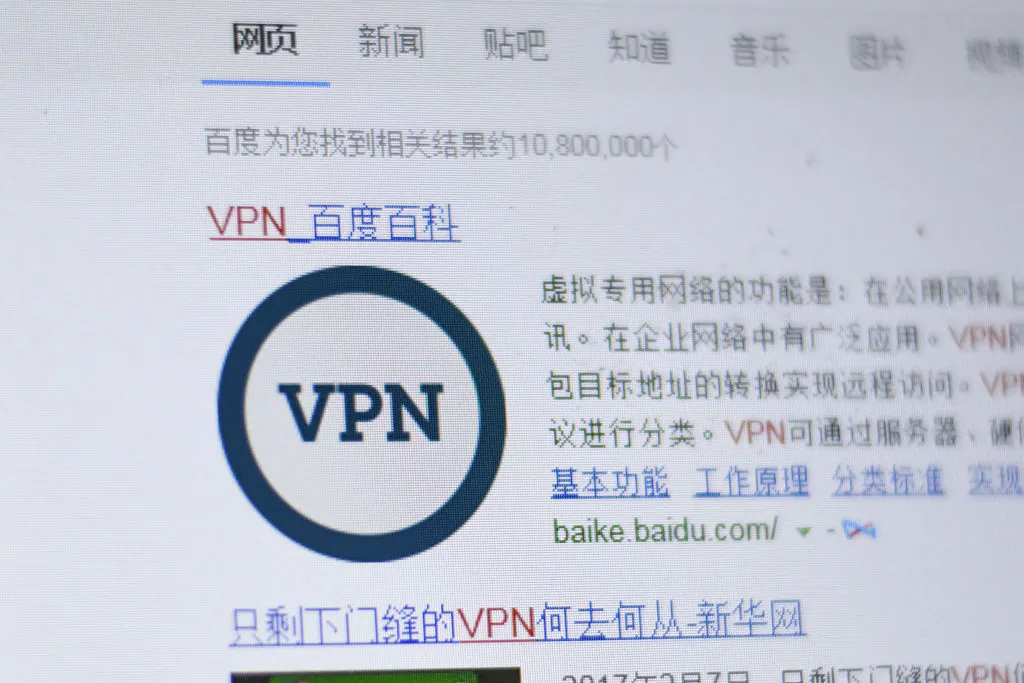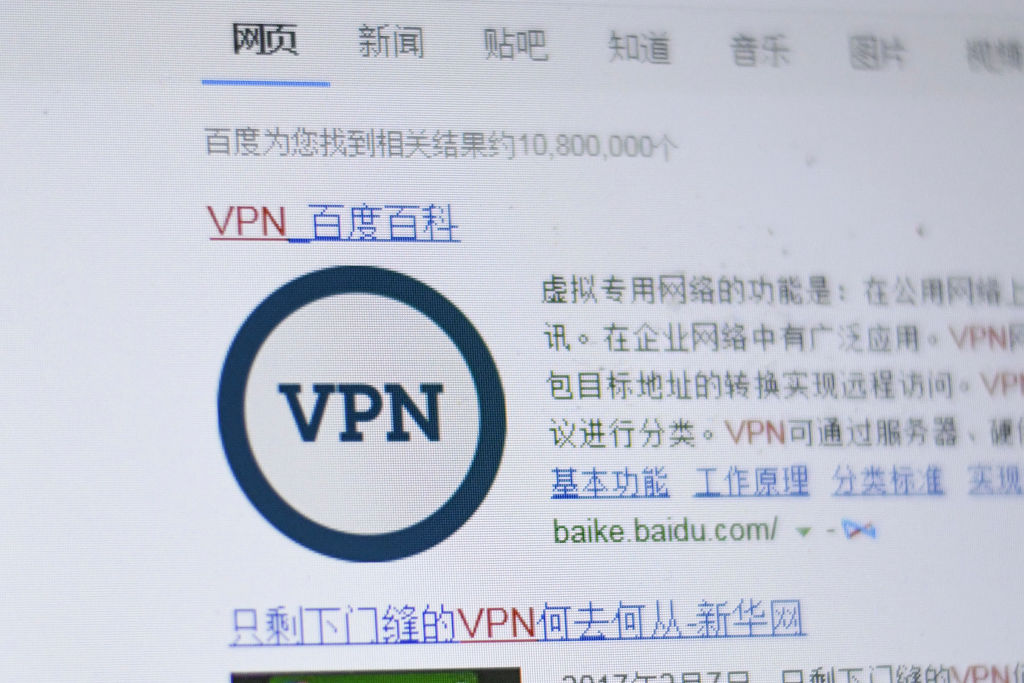

China has sharply intensified its internet controls in recent weeks, moving to block the use of virtual private networks (VPNs) and restrict access to overseas websites, according to leaked documents, user accounts, and official statements. It’s part of what analysts describe as a broader tightening driven by the regime’s rising internal and external pressures.
The clampdown, which began escalating in early April, combines regulatory changes, enforcement actions, and technical measures aimed at limiting how Chinese users bypass the country’s extensive online censorship system, often referred to as the “Great Firewall of China.”
Tightening Digital Borders
On April 8, China’s top internet regulator, the Cyberspace Administration of China, convened a national meeting in Beijing focused on advancing internet-related legislation and strengthening governance, including in cross-border data flows.
Around the same time, several leaked internal documents suggested a more coordinated campaign was underway.
One notice indicated that a policy study session on building a “cyber power” would be held in mid-April. Another document, attributed to the Ministry of Industry and Information Technology, described a recent meeting focused on regulating cross-border data connections.
A separate document from a Jiangsu, China-based internet service provider outlined directives requiring data center operators to work with telecom carriers to block overseas access at the network level. The notice suggested that service providers could be required to directly cut off users’ connections to foreign websites.
In another leaked notice dated April 8, a regional telecom operator in Shaanxi province said it would fully block traffic to overseas IP addresses—including Hong Kong and Taiwan—and prohibit any VPN-related services.
Individual users are also feeling the intensified controls.
Since early April, social media posts from within China have described cases of people being contacted by police after using tools that allow access to blocked platforms. In one widely shared account, a university student said he was summoned by local police after receiving a verification code while logging into Microsoft Teams, which was flagged by a police anti-fraud system as suspicious foreign-linked activity.
According to the account, officers recorded details from the student’s mobile apps and bank accounts, raising concerns that VPN usage and related transactions could be monitored more closely going forward.
Meanwhile, a newly disclosed Chinese patent application has drawn attention for its focus on identifying whether computers are using VPN services. The application, filed in 2025 by a Fujian-based technology company, is currently under substantive review, according to China’s intellectual property authorities.
Impact on Overseas Tools
Bill Xia, president of U.S.-based Dynamic Internet Technology, which develops circumvention tools for China’s internet users, told The Epoch Times that the latest measures are likely to hit domestic VPN providers hardest.
“If service providers are required to shut down accounts when overseas traffic is detected, that will significantly affect businesses inside China that sell VPN access,” Xia said. “The number of available tools will shrink.”
However, tools hosted outside of China—such as Freegate, a free software developed by his company that enables internet users to view websites blocked by their governments—are less likely to be affected directly, he said.
The Chinese regime has periodically clamped down on domestic VPN services over the past decade, but it remains unclear whether the current campaign will be more systematic, according to Xia.
In recent days, some Chinese users on X have reported that some VPN services have stopped working in China.
The tightening controls have also extended to foreign technology platforms.
Multiple media outlets reported on April 6 that Apple had removed Bitchat—a decentralized, privacy-focused messaging app launched by Block CEO Jack Dorsey—from its China App Store at the request of Chinese regulators. The app’s beta version was also pulled from Apple’s TestFlight platform in China. The removal took effect on Feb. 28.
Bitchat, designed to enable peer-to-peer communication without centralized servers, has previously been used in protest movements in countries including Iran and Uganda to circumvent internet restrictions.
Separately, China’s Ministry of Industry and Information Technology issued a notice in early April warning of “serious vulnerabilities” in multiple versions of Apple’s iOS operating system, urging users to update their devices, according to Chinese state media People’s Daily. The notice sparked speculation among some Chinese netizens, though no official link was made between the warning and broader regulatory actions.
New Laws and Expanding Controls
The latest enforcement push comes alongside a series of legal changes.
A revised cybersecurity law took effect on Jan. 1, 2026, strengthening oversight of cross-border data access. In addition, a draft law on combating cybercrime released in February proposed further restrictions on channels used to obtain overseas information.
At the same time, controls tied to overseas connections appear to be expanding beyond the internet. Interviews conducted by The Epoch Times with individuals in China, who requested anonymity out of fear of reprisal, suggest that some government employees are avoiding contact with acquaintances returning from abroad, amid tighter reporting and vetting requirements.
Wang He, a U.S.-based China current affairs commentator, told The Epoch Times that the escalation reflects heightened concerns within the Chinese Communist Party (CCP) leadership.
“The CCP is increasingly focused on preventing perceived domestic and foreign risks,” Wang said, pointing to geopolitical tensions and concerns about information flows.
He said the government’s recent moves—including stricter internet controls, tighter passport issuance, and limits on cross-border interactions—suggest a broader effort to reinforce internal stability.
Wang noted that while the CCP continues to promote economic openness, security concerns are increasingly taking precedence, raising questions about the long-term impact on information access, business activity, and public confidence.
Tang Bing and Yi Ru contributed to this report.
 Friends Read Free
Copy
Facebook
Tweet
Friends Read Free
Copy
Facebook
Tweet