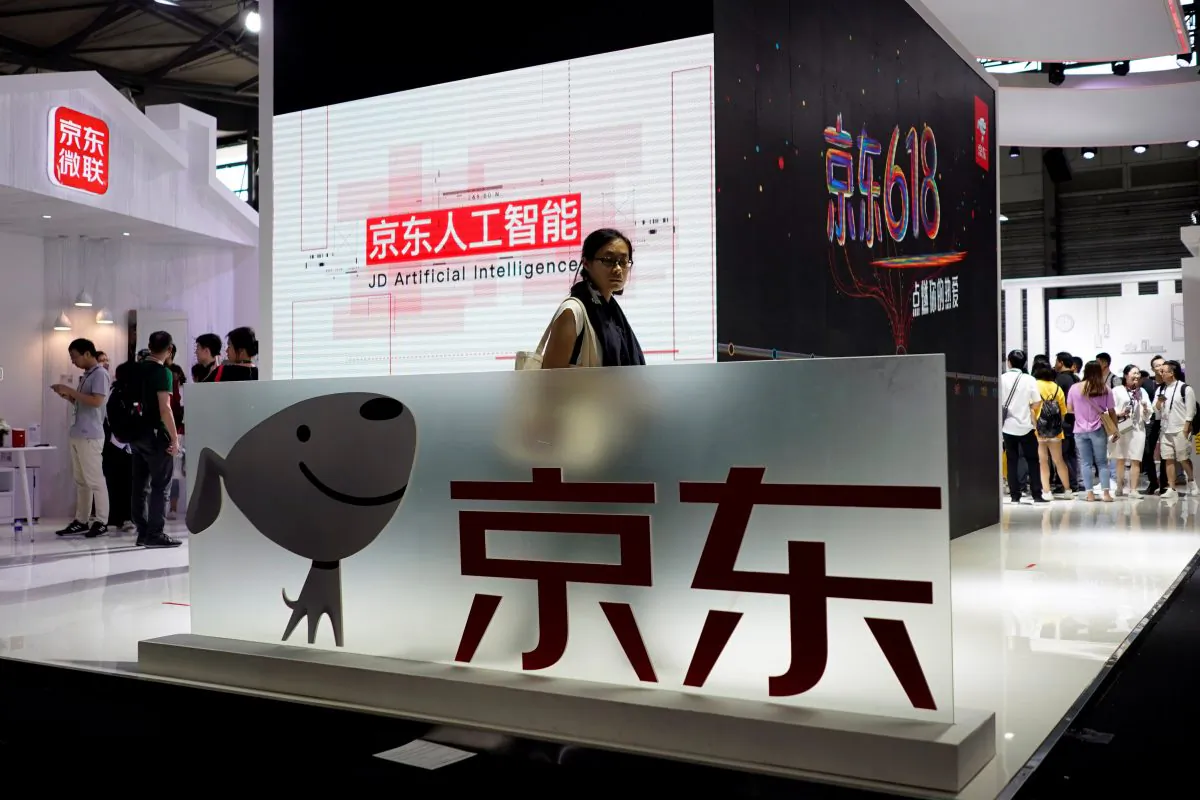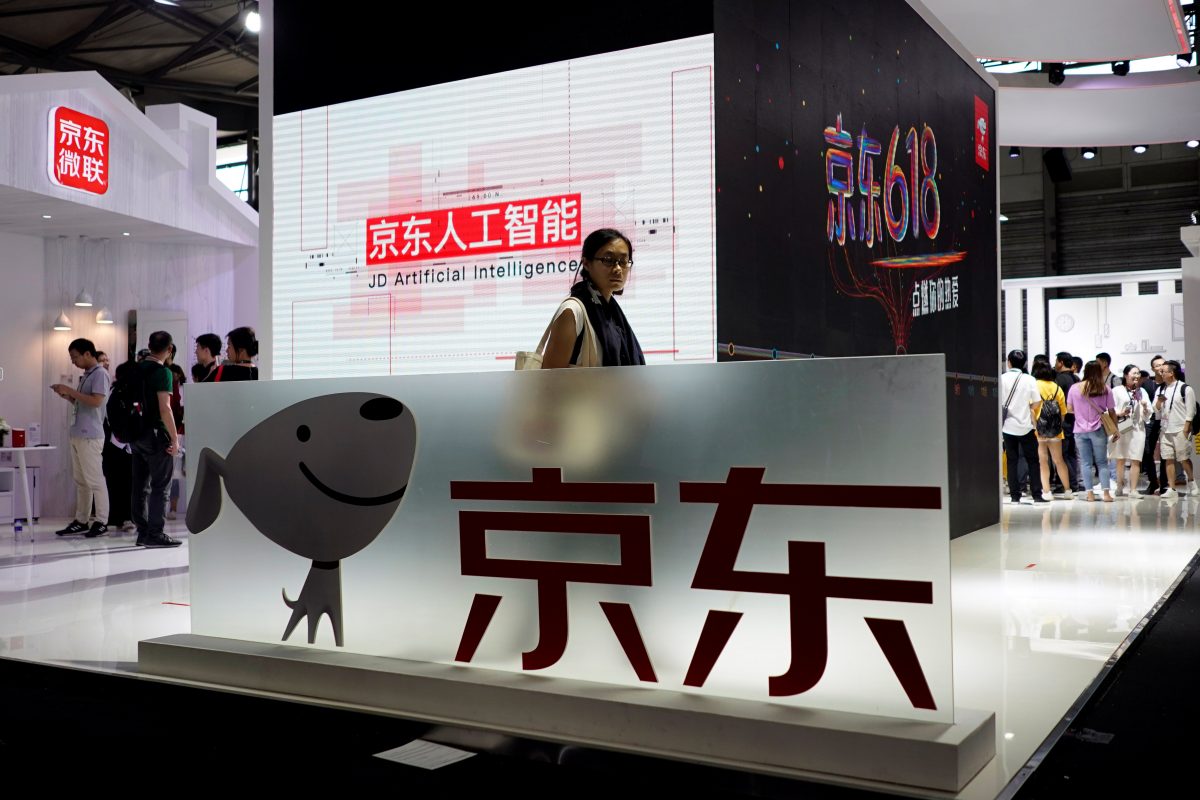

The European Commission has launched an in-depth probe into JD.com, a Chinese online e-commerce marketplace giant, over concerns about possible Chinese state subsidies related to its takeover of German online retailer CECONOMY.
The investigation is the first full merger review conducted under the EU’s Foreign Subsidies Regulation, introduced in 2023 to examine whether foreign state support gives companies an unfair advantage in the bloc.
In a statement announcing the decision, the commission said its preliminary review indicated that JD.com “may have received foreign subsidies distorting the EU internal market,” including “preferential financing, tax incentives and grants” potentially linked to the Chinese state.
The regulator said it would examine whether those measures helped JD.com finance its 4.60 euro-per-share offer for CECONOMY or strengthen the German retailer through JD.com’s logistics and technology operations.
JD.com rejected the allegation that the acquisition depended on state support.
“The proposed acquisition of CECONOMY AG by JD.COM will not be financed by any foreign subsidies,” the company said in a statement, adding that the deal would instead rely on “external private bank debt and available cash from ordinary course business activities.”
CECONOMY, a major consumer electronics retailer that owns the MediaMarkt and Saturn chains, announced the takeover agreement in July 2025. In investor documents published at the time, the company said its management and supervisory boards supported the offer.
The deal remains subject to regulatory approvals, including clearance under the EU’s foreign subsidy rules.
The commission has neither accused JD.com of wrongdoing nor presented evidence that any subsidies directly distorted the market. The formal investigation allows regulators to request internal documents, question companies, and seek concessions before deciding whether to approve the acquisition.
Under the Foreign Subsidies Regulation, the commission can block acquisitions if it concludes that foreign subsidies harmed competition in the bloc.
The case comes amid broader EU efforts to curb the effects of Chinese state support in sectors including electric vehicles, rail, solar energy, and public procurement.
The EU has already imposed tariffs on Chinese electric vehicle imports following an anti-subsidy investigation and has opened separate foreign subsidy probes involving rail, solar, and public procurement projects.
EU officials have argued that traditional competition laws were not designed to address companies backed by non-EU governments.
The Foreign Subsidies Regulation followed years of debate over whether state-backed foreign companies had gained advantages in sectors including infrastructure, technology, and clean energy.
The law allows regulators to review mergers involving companies with significant EU turnover that have also received substantial foreign financial contributions in recent years.
JD.com has been expanding internationally beyond its domestic market. Acquiring CECONOMY would give the company access to one of Europe’s largest consumer electronics retail networks.
MediaMarkt and Saturn operate stores across several European countries and remain major sellers of televisions, computers, mobile phones, and household electronics.
The commission said it aims to complete the investigation by Oct. 2 unless the review period is extended.
 Friends Read Free
Copy
Facebook
Tweet
Friends Read Free
Copy
Facebook
Tweet