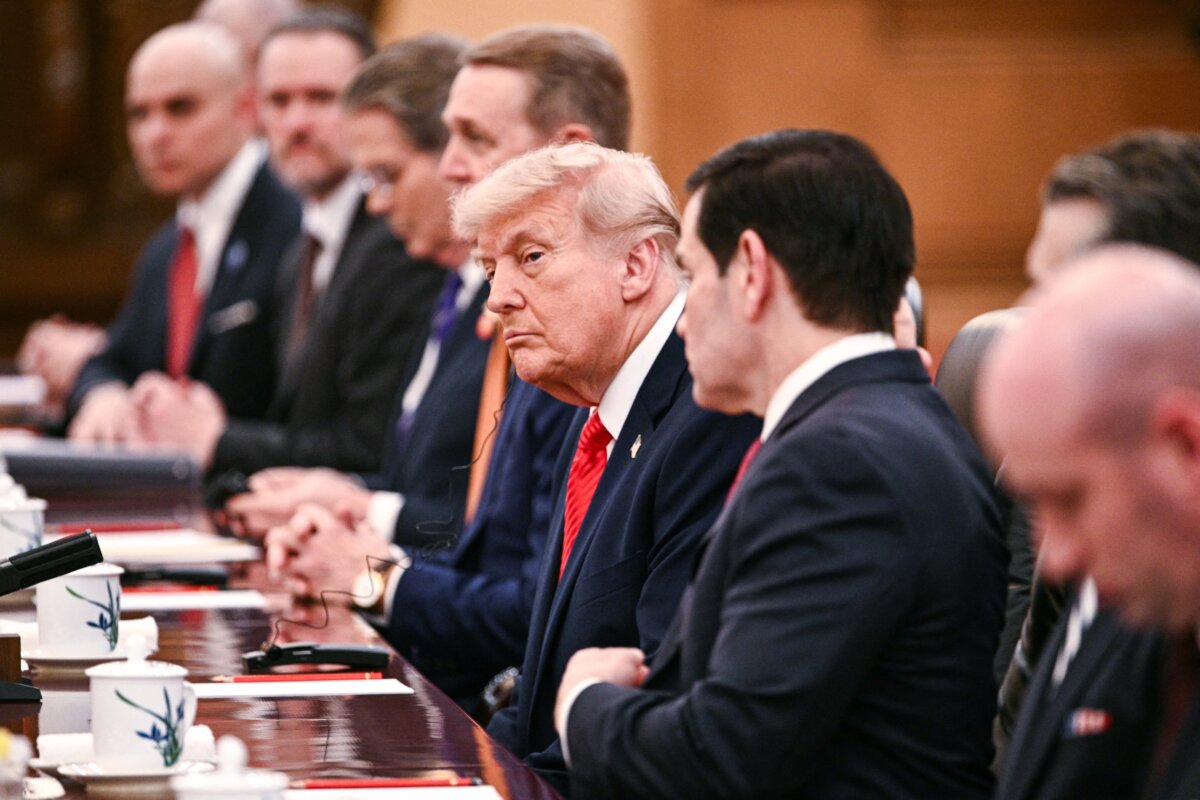
Beijing is seeking negotiations with Washington on trade and artificial intelligence while preparing to manage other contentious issues, including Taiwan and the Middle East, according to insiders familiar with Beijing’s preparations for the summit. Chinese leader Xi Jinping is scheduled to meet President Donald Trump this week in Washington.
Chinese officials are also working to keep Taiwan from becoming a prominent subject of the leaders’ meeting, one insider said.
Several China-based regime insiders spoke to The Epoch Times on condition of anonymity out of fear of reprisal.
China’s Foreign Ministry is expected to announce Xi’s visit within days, according to a regime insider familiar with the preparations. The insider said Beijing wants to use the meeting to signal goodwill to Trump and establish a framework for subsequent U.S.–China relations.
The summit will be Xi’s second meeting with Trump this year. Trump visited Beijing in May, making Xi’s planned visit a reciprocal trip.
China’s Foreign Ministry said Chinese Foreign Minister Wang Yi and Secretary of State Marco Rubio held an in-depth phone call on Sept. 17 focused on high-level exchanges between the two countries, according to Chinese state media Xinhua News Agency.
Wang said the two sides are preparing for the next stage of high-level exchanges.
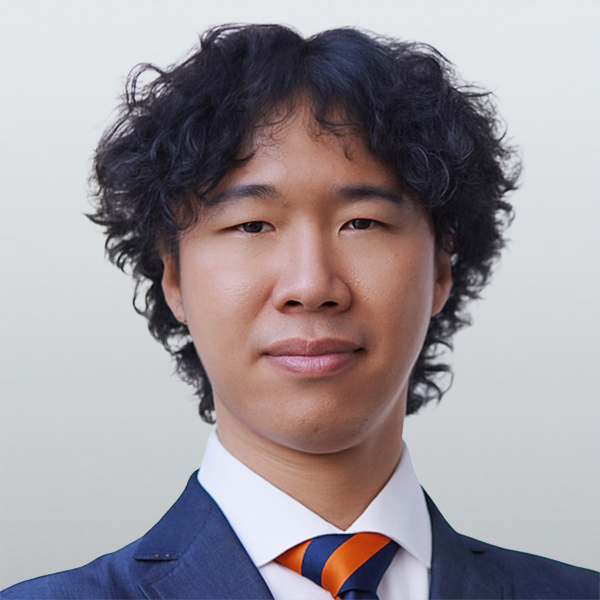
“They will inevitably bargain with each other, but overall, this time Xi wants to give Trump a big gift,” Han Yizhou, a Europe-based Chinese scholar in U.S.–China relations, told The Epoch Times. Han suggested that Xi seeks to offer Trump trade concessions to ease tensions.
Han noted that the wording echoed a July 22 meeting between Wang and Rubio in Manila.
Rubio told the press after the meeting, “We talked a lot about the visit in September, and that was really the gist of it. It was just to create the groundwork for another positive visit. I think President Xi will have a very positive visit when he comes to Washington.”
The public statements from Beijing and Washington have not specified what issues will ultimately be included in the leaders’ meeting.
An insider from within the Chinese Communist Party (CCP) told The Epoch Times that AI is expected to be a principal subject of discussion.
“[The goal is,] first, don’t fight another trade war [and] cooperate. Second, on the AI issue, jointly formulate rules with the United States,” the CCP insider said.
He said Beijing and Washington have some common ground because both Xi and Trump have supported AI development, but he described significant disagreements over access to technology.
“Trump demands that the Chinese side stop distilling U.S. large [AI] models, while the Chinese side will ask the United States to open up high-end chips and related technologies,” the CCP insider said. “If the high-end ones are not available, [China] will strive for the mid-range ones.”
Trump expressed support for AI and data center development in a Sept. 14 post on Truth Social. The president suggested that additional regulations on AI would only benefit China.
“We already have tremendous CRIMINAL and REGULATORY power over these companies! There is a SICK conspiracy going on against AI and Data Centers, and the only one that is happy about it is China. WHOEVER WINS AI, WINS!” Trump posted.
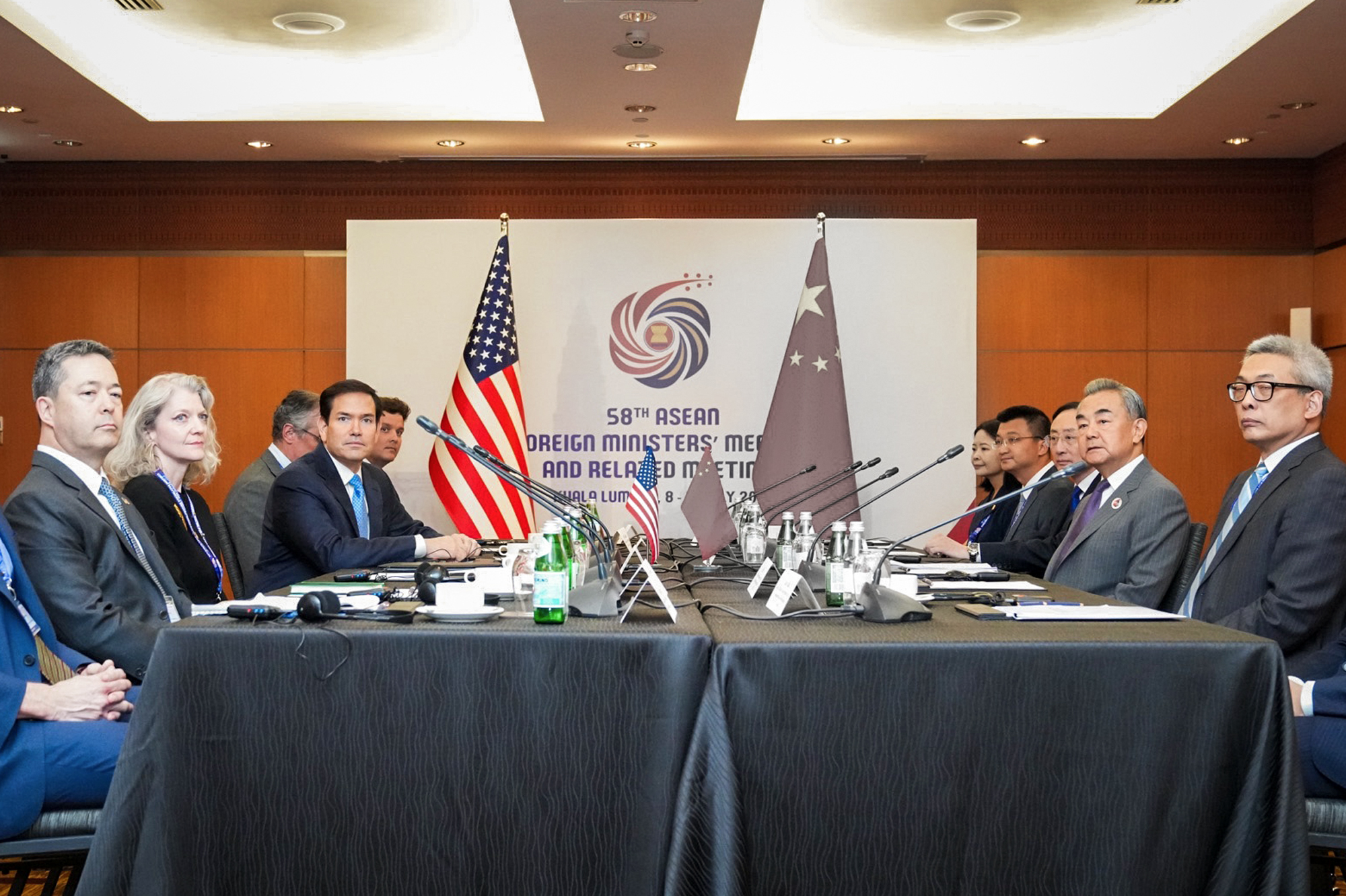 U.S. Secretary of State Marco Rubio meets with Chinese Foreign Minister Wang Yi in Kuala Lumpur, Malaysia, on July 11, 2025. (Freddie Everett/U.S. Department of State)
Taiwan Likely Not the Focus
Taiwan is another issue that has featured prominently in previous Chinese diplomatic communications with Washington, but Beijing’s latest public messaging has been less specific.
In a statement issued after a June 30 phone call with Rubio, Wang said Taiwan is “a highly sensitive issue” that could have broad consequences and urged the United States to exercise “utmost prudence” regarding Taiwan-related matters.
The State Department issued a brief statement after the call, in which spokesperson Tommy Pigott said, Rubio discussed “the importance of building a constructive relationship of strategic stability based on fairness and reciprocity, as outlined by President Trump.”
Taiwan was not mentioned separately in China’s public account of the Sept. 17 Wang–Rubio call. Instead, Wang referred generally to “respecting each other’s core interests.”
Another insider familiar with the matter, surnamed Xue, told The Epoch Times that the Chinese Foreign Ministry’s statement should not be interpreted as a complete record of the discussion.
“This time, [the statement] did not highlight specific disputes, but instead focused on head-of-state diplomacy, strengthening communication, and controlling differences,” Xue said.
“This shows that during the talks with Trump, the Chinese side will not emphasize the so-called Taiwan sovereignty issue. Of course, it will mention it, but it will not ask Trump to make a statement on this.”
An insider close to Chinese diplomatic affairs told The Epoch Times the tone could differ from that during Xi and Trump’s meeting in Busan, South Korea, last year.
“This is consistent with the CCP’s current position that its need for the United States is greater than its competition with the United States,” he said.
Middle East Issue
China’s Foreign Ministry said Wang and Rubio also “exchanged views on the situation in the Middle East and other issues” during their Sept. 17 call.
Wang had met Iranian Foreign Minister Abbas Araghchi in Beijing the previous day.
According to China’s Foreign Ministry, Wang called on Iran and the United States to remain rational and restrained and to rebuild a negotiating mechanism for substantive discussions on their respective concerns. He also called for measures to reopen the Strait of Hormuz and maintain the safety of global shipping routes.
Xue said the Middle East issue could be raised during the Xi–Trump meeting.
“This is an issue outside the bilateral relationship during the Xi–Trump meeting,” Xue said. “The U.S. side raised it and hopes that the Chinese side will not support Iran, so that the war can end as soon as possible.”
“For the Chinese side, this has also become a bargaining chip in negotiations with the United States,” he said.
Xue said he considers it unlikely that Beijing would undertake diplomatic mediation between Washington and Tehran.
Xiao Bin contributed to this report.
 Friends Read Free
Copy
Facebook
Tweet
Friends Read Free
Copy
Facebook
Tweet