

In an age where wellness has become a way of life, supplements seem like the simplest path to better health. From collagen powders to probiotics and adaptogenic blends, the modern medicine cabinet has shifted from prescriptions to pills, powders, and plant extracts. With more than half of U.S. adults now taking at least one dietary supplement daily, the global industry—worth nearly US $200 billion in 2024 and projected to surpass US $400 billion by 2033—shows no sign of slowing down.
But behind the glossy labels and “science-backed” claims lies an uncomfortable truth: the supplement industry operates largely without meaningful oversight. In the United States, manufacturers can launch products without proving they’re safe, effective, or even accurately labeled. It’s an irony of modern wellness—consumers turn to supplements to feel better, yet in a marketplace this unregulated, the pursuit of health can sometimes do more harm than good.
When “Unregulated” Means Real Risk
Most consumers assume supplements are regulated like pharmaceuticals—tested, verified, and held to clear safety standards. In reality, they’re not. Under the Dietary Supplement Health and Education Act (DSHEA) of 1994, supplements are treated more like food than drugs. Manufacturers don’t need FDA approval before marketing most products, nor must they prove efficacy or verify label accuracy.
The result is an industry that runs largely on trust—and that trust has been broken, repeatedly. Between 2007 and 2016, the U.S. Food and Drug Administration identified 776 supplements adulterated with undeclared pharmaceuticals, including sildenafil (Viagra-type drugs), sibutramine (a banned weight-loss agent), and anabolic steroids. Many remained on the market even after warnings.
In 2013, more than 90 people in Hawaii were hospitalized with acute liver failure after taking a weight-loss supplement later found to contain toxic ingredients. Other investigations have revealed supplements contaminated with lead, arsenic, and mercury, or mislabeled formulas that delivered far more—or far less—of an active ingredient than promised.
Even seemingly harmless herbal products can interact dangerously with medications. St. John’s wort, for example, can weaken antidepressants, birth control pills, and transplant drugs, sometimes with serious consequences. Yet few labels warn about these risks.
Behind the “clean,” “natural,” and “clinically backed” marketing language, consumers are often navigating a system built more on marketing than meaningful oversight.
What Consumers Should Look Out For
Given the gaps in regulation, buyers need to be discerning. Here’s what to check before adding any supplement to your routine:
- Transparent and specific ingredients: For example, many probiotics list only a species name—like Lactobacillus acidophilus—without specifying the exact strain. Different strains within the same species can have entirely different (or no) effects, and most unverified strains haven’t even been shown to survive stomach acid. The same broad issue appears across supplement types: botanicals may be listed simply as “ashwagandha root powder” rather than a “standardized extract 5% withanolides,” which affects potency and consistency. These are just a couple of examples of why label clarity matters across nearly every supplement category.Read more: The Gut-Brain Axis: Unlocking the Connection Between Probiotics and Mental Health
- Potency that lasts: Similarly, some brands print potency at the time of manufacture, not at the end of shelf life. Nutrients like vitamin C, probiotics, and B-vitamins are particularly unstable when exposed to air or heat—so what you get months later may be half as strong. This is just one example of a broader issue: most consumers never see stability data, so choosing brands that guarantee potency through the full shelf duration is essential.
- Third-party testing and COAs: Trust brands that publish batch-specific Certificates of Analysis from ISO-accredited labs verifying purity, potency, and absence of contaminants.
- Reliable sourcing and manufacturing: Reputable companies disclose ingredient origins, follow GMP standards, and provide transparency around formulation and testing.
- Protective packaging: Packaging isn’t just cosmetic—materials and design affect product stability. Poor-quality plastics can leach microplastics or degrade ingredients over time.
- Realistic claims: Be cautious of products promising instant results or listing vague proprietary blends without quantities.
- Higher internal standards: Because regulation is minimal, the most credible brands impose their own—testing every batch, publishing results, and adopting stricter international benchmarks.
Where Regulation Falls Short, Responsibility Steps In
The lack of clear regulatory guidance doesn’t just leave consumers vulnerable—it also challenges responsible brands to define their own standards.
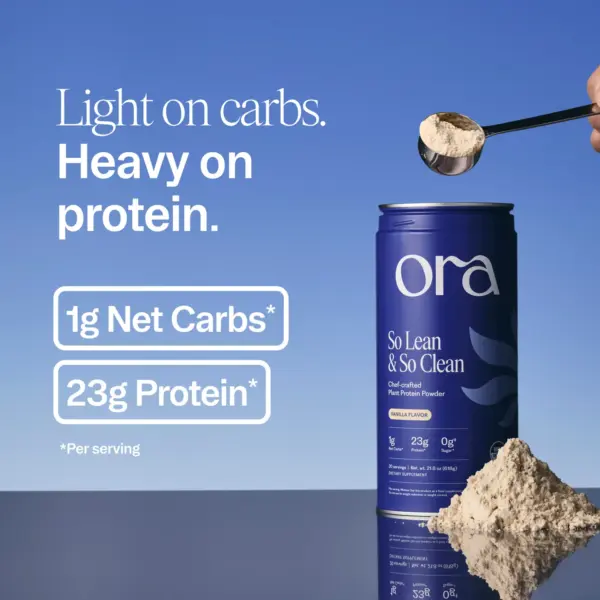
Ora, a U.S.-based supplement company, has been one of the pioneers leading that shift. Its Five Nation Standard™ combines testing practices inspired by the strictest regulations in Switzerland, Japan, Germany, New Zealand, and the United States, ensuring every product is third-party tested and fully transparent.
This commitment to integrity extends beyond formulation. Ora recently became the first supplement brand in the U.S. to transition to 99% plastic-free packaging, replacing jars, lids, and scoops with glass, aluminum, and plant-based materials that protect both product quality and the planet.
As consumers demand more accountability, Ora’s approach sets an example for the industry—showing that safety, sustainability, and transparency can, and should, coexist.
The Bottom Line
The supplement market is enormous and growing fast—driven by real needs for better nutrition and preventive care. Supplementation can be a smart way to fill nutritional gaps in modern diets, but it’s not a shortcut to health.
In an industry still operating on trust, informed consumers are their own best regulators. Look for transparency, science, and sustainability—not just claims. Because in the end, what’s printed on the label and what’s actually inside the bottle can make all the difference.
If you’re ready to make more informed choices, explore The Epoch Times’ curated selection of Ora favorites, featuring supplements that meet the highest standards of testing, transparency, and sustainability.
 Friends Read Free
Copy
Facebook
Tweet
Friends Read Free
Copy
Facebook
Tweet