Sponsored Content
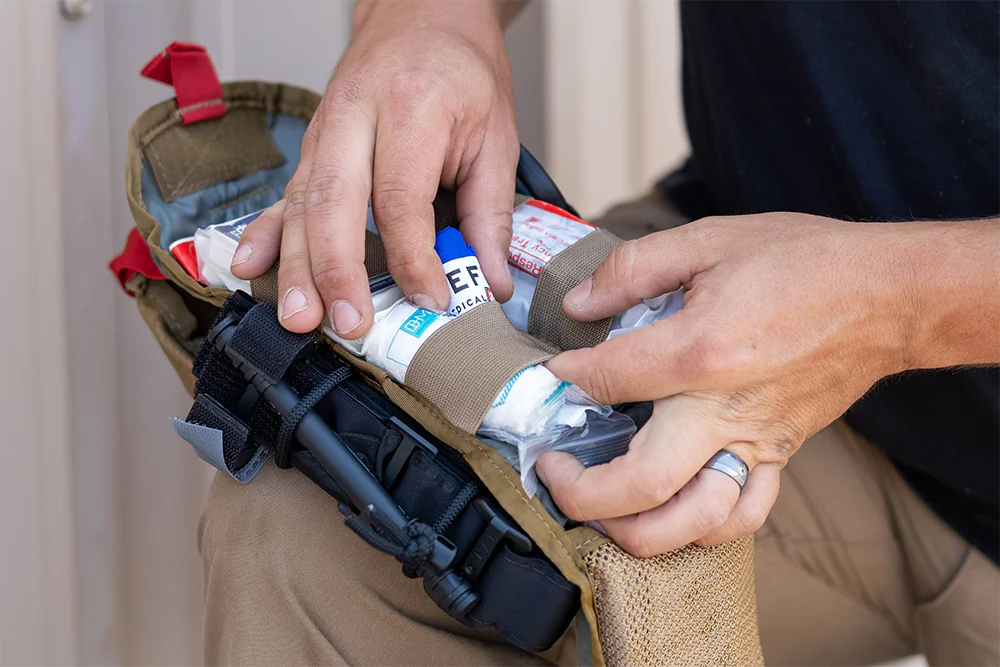
Emergencies never come at a convenient time. Having the right gear prepped and accessible can mean the difference between life and death. While having a basic first aid kit with band-aids and alcohol wipes is important, those items aren’t going to cut it in a traumatic injury situation. We believe everyone should be prepared to handle a serious injury should one arise. If you’re serious about being prepared, here are our top 5 first aid essentials that should be accessible in every home, vehicle, or “go bag.”
1. Tourniquet–Stop Major Bleeding
Massive bleeding is the number one preventable cause of death with traumatic injuries—one can “bleed out” within 90 seconds of injury—far faster than EMS can reach you. A genuine, windlass-style tourniquet, like the CAT GEN7 or SOFT-T, is an absolute necessity in any emergency kit. When it comes to massive bleeding, a properly applied tourniquet can save a life.
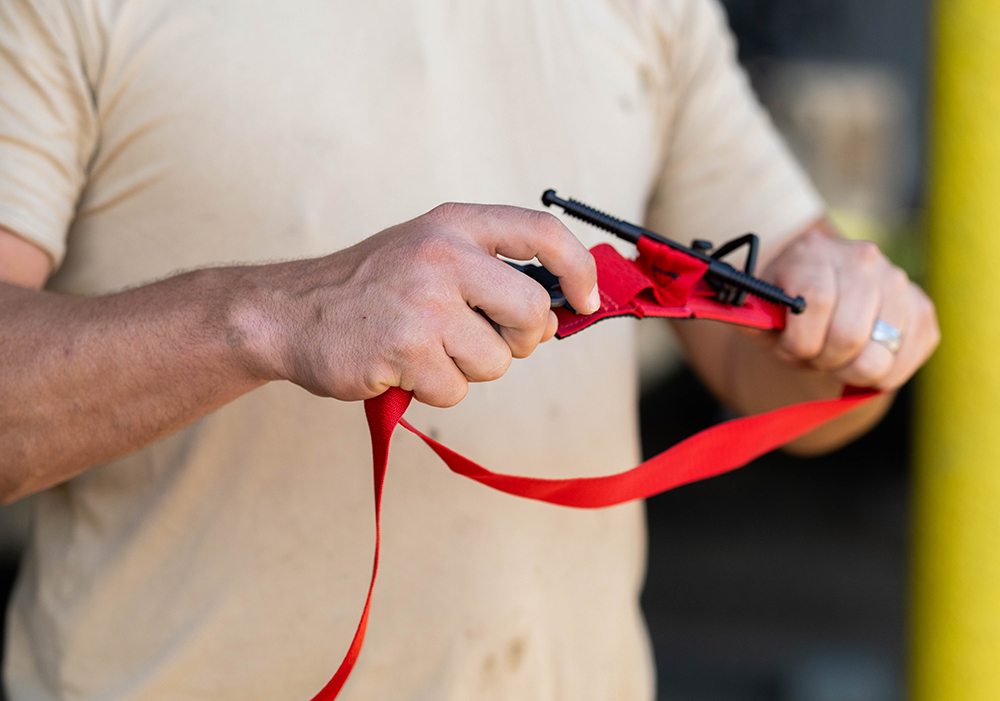 Man holding a red SOF-T Tourniquet. (Refuge Medical)
2. Pressure Bandage & Wound Packing Gauze–Control Major Bleeding
While a tourniquet is a must-have for serious limb injuries, it cannot be utilized for wounds to the junctional area. That’s where a pressure bandage and wound packing gauze comes in. Wound packing gauze, such as the Forward Z Fold Compressed Gauze, can be utilized to fill a wound and create pressure on the bleeding vessels/artery, effectively stopping blood loss in areas where a tourniquet cannot be utilized. Emergency Trauma Dressings, or ETDs, such as the OLAES bandage can help to keep pressure on the wound once packed. These two items go hand in hand and are an invaluable addition to any trauma kit.
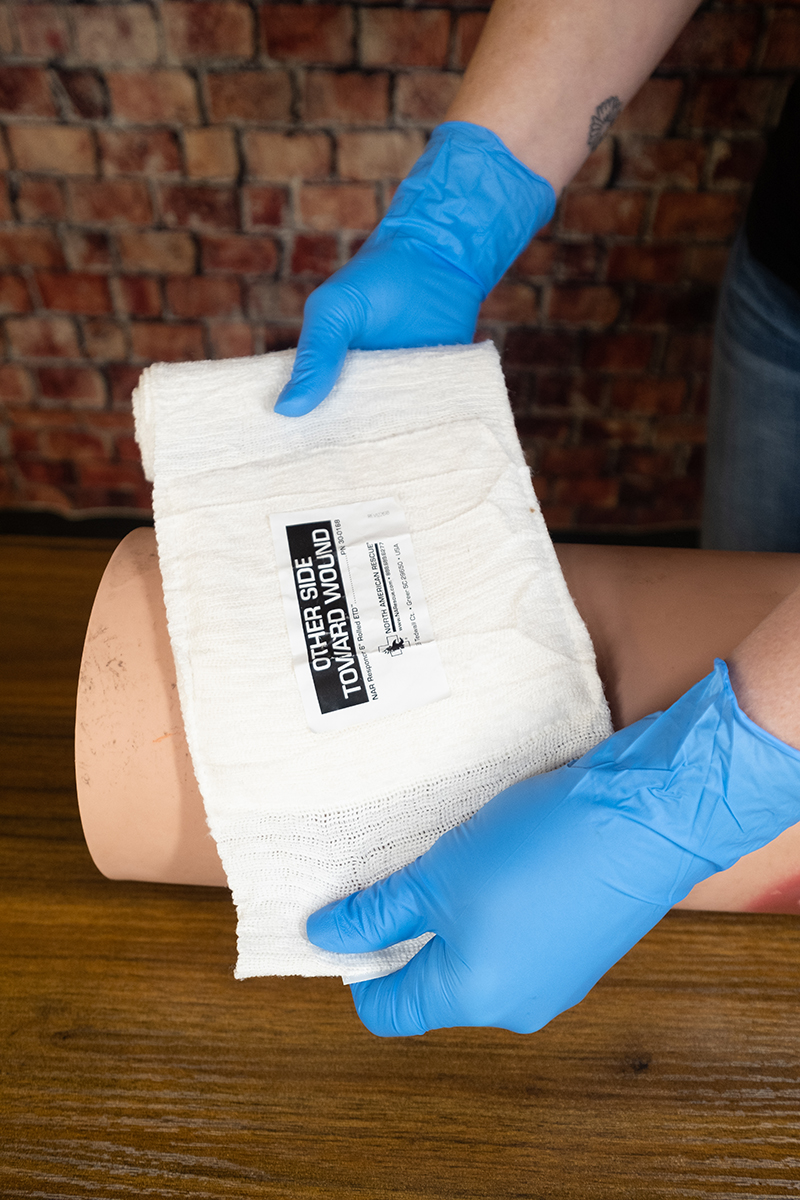 Simulated wound being wrapped. (Refuge Medical)
3. Chest Seals–Treat Puncture Wounds
Gunshots, stab wounds, or any penetrating trauma to the chest, aka pleural space, can lead to a collapsed lung (tension pneumothorax), one of the leading causes of preventable death. Vented chest seals (like HyFin or Halo seals) prevent air from being sucked into the wound while allowing trapped air to escape, buying precious time until advanced medical care is available.
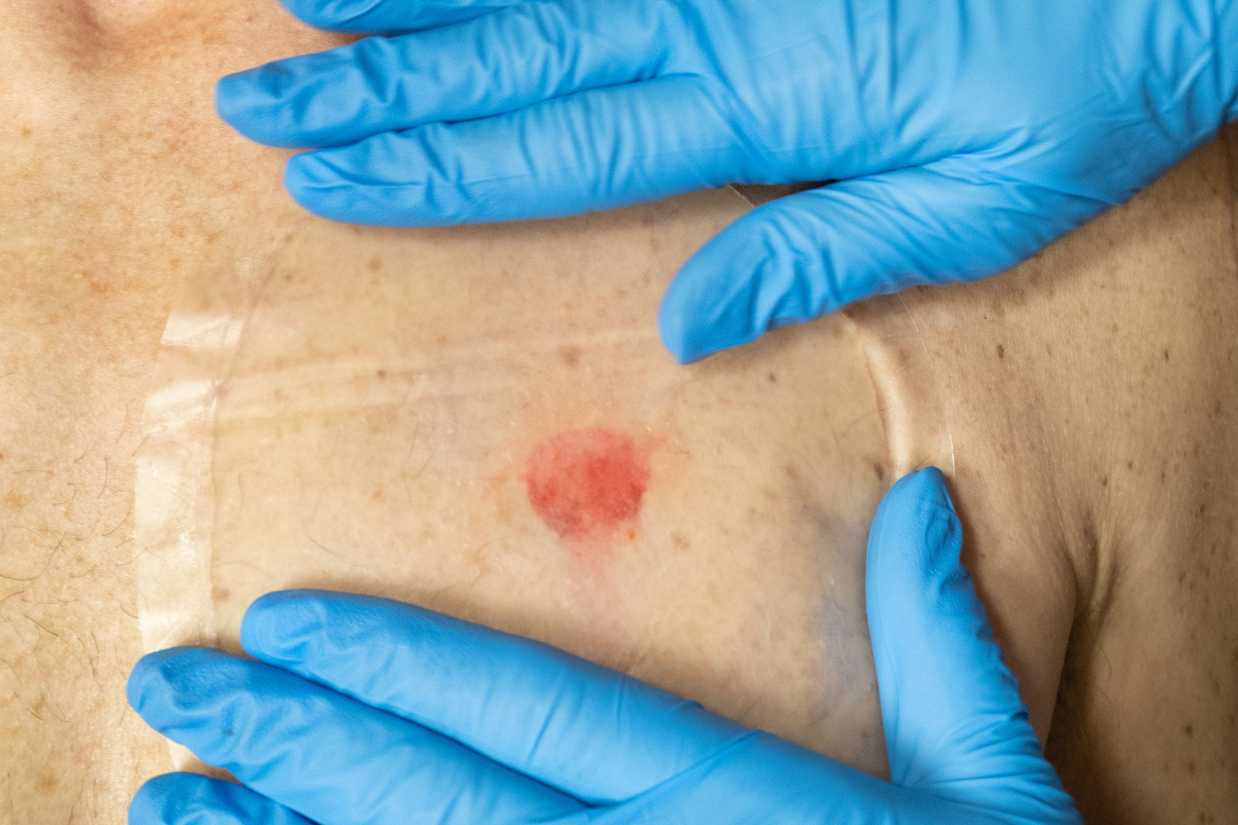 Chest Seal applied to chest. (Refuge Medical)
4. Survival Blanket–Guard Against Shock
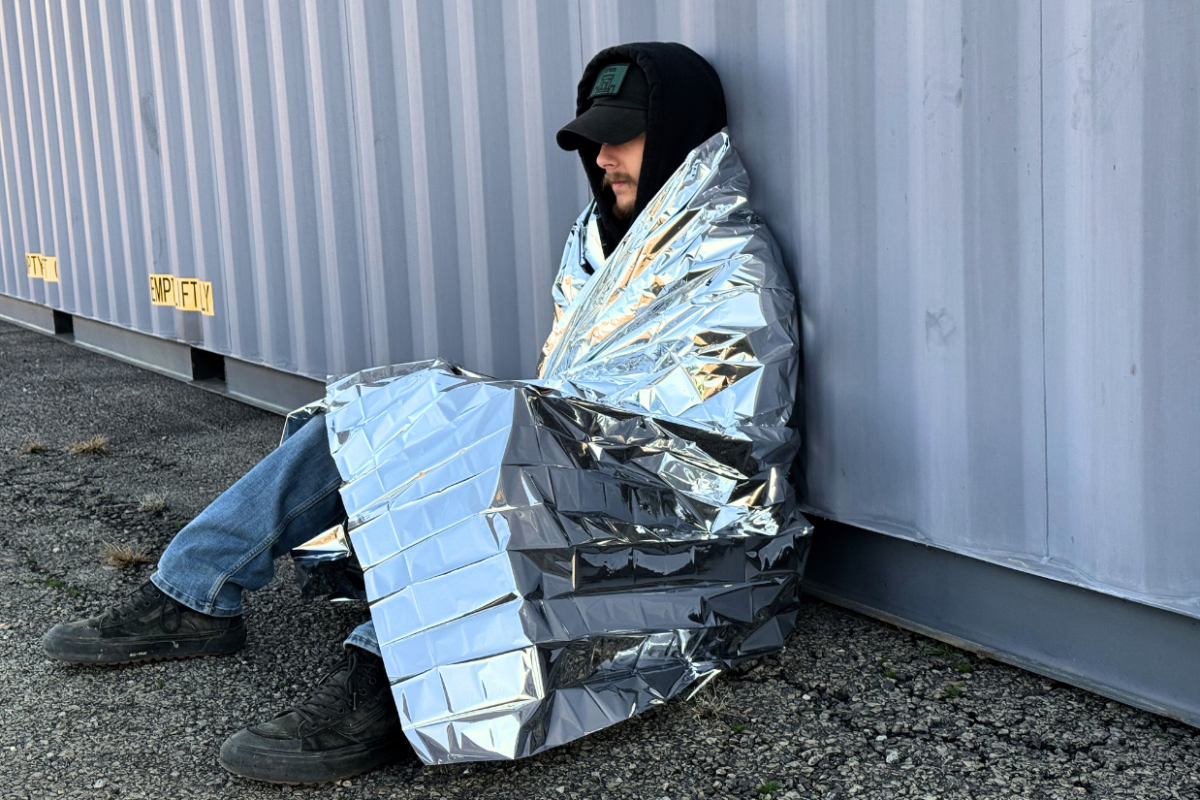
During an emergency, staying warm and preventing hypothermia can be just as critical as treating injuries. When the body loses heat too rapidly—especially after suffering a traumatic injury—shock can quickly set in, worsening the situation. This can reduce the body’s ability to clot blood.
A survival blanket, such as a mylar emergency blanket, helps to retain body heat, protect against cold weather, wind, and rain. These lightweight, and compact blankets are a must-have for any reliable first aid kit.
Whether you’re dealing with shock, stranded in inclement weather, or need to keep someone warm until help arrives, you can be prepared to stay warm and dry when it matters most.
5. Medications–Critical Backups for Survival
If you rely on a specific medication, it is imperative to consider prepping a back up supply if possible. In an emergency, missing a dose can be a life threatening issue.
Having a backup supply of essential prescriptions—whether it’s insulin, heart medication, or an EpiPen, can be life saving. Additionally, over-the-counter meds like ibuprofen, antihistamines, anti-diarrheals, and electrolyte packets help manage pain, allergic reactions, dehydration, and illness when medical help is out of reach.
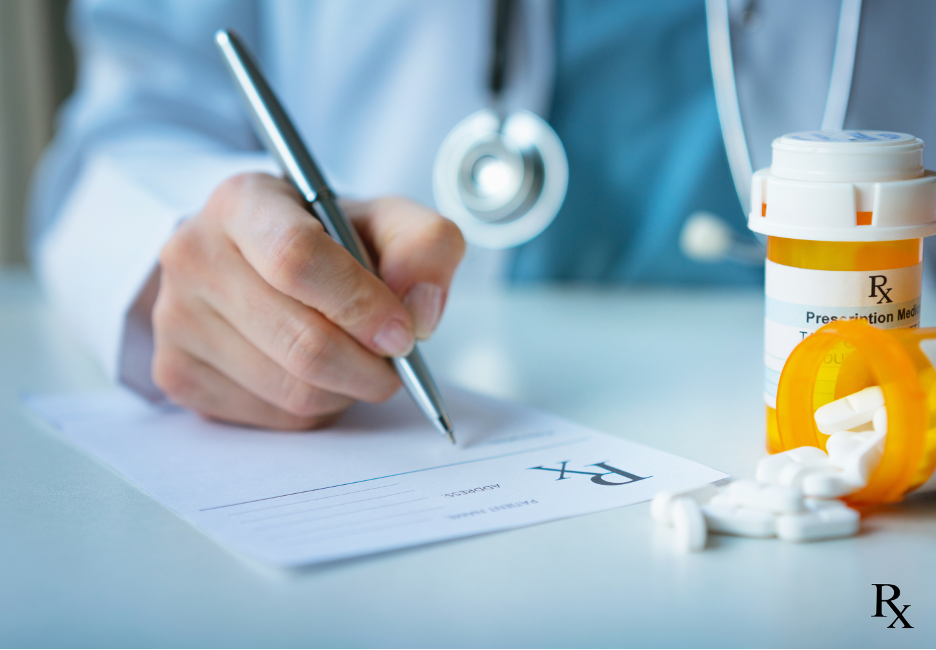 Medical Prescription. (erdikocak via Getty Images)
Final thoughts: preparedness isn’t just about having gear—it’s about knowing how to use it. Get hands-on training, keep your kit stocked and easily accessible, and make sure your family or team knows where to find it. A well-prepared first aid kit isn’t just a convenience—it’s a responsibility.
As a valued reader of The Epoch Times, enjoy 10 percent off your order with code: EPOCH10. Because when seconds count, having the necessary emergency aid preps matter! Shop now at www.refugemedical.com
 Friends Read Free
Copy
Facebook
Tweet
Friends Read Free
Copy
Facebook
Tweet