
Commentary
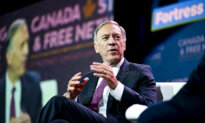
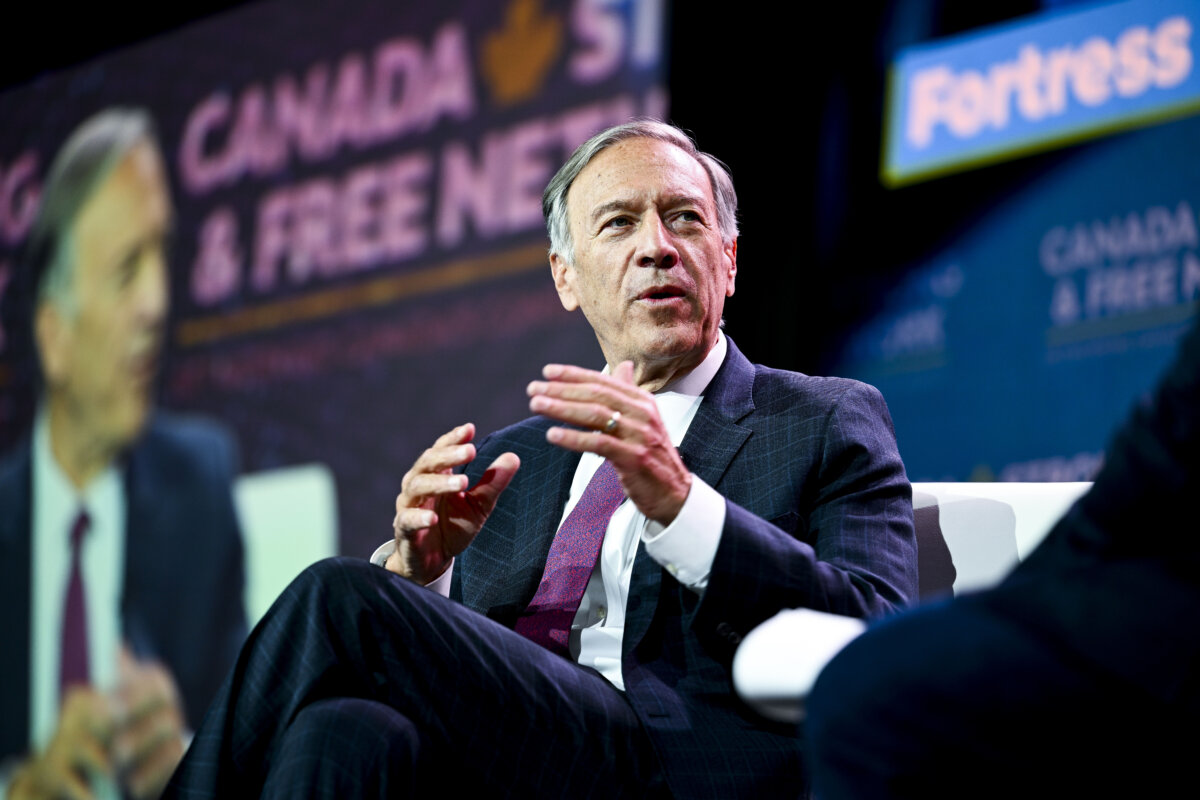
At the Canada Strong and Free conference in Ottawa last week, former CIA Director and U.S. Secretary of State Mike Pompeo delivered one of the clearest warnings Canadians have heard in years regarding the strategic threat posed by the Chinese Communist Party. His message was direct, specific, and rooted in experience.
Pompeo recounted the 2020 closure of the Chinese consulate in Houston, which American intelligence officials assessed was functioning as one of the largest espionage hubs ever uncovered on U.S. soil. Within hours of the closure order being issued, consulate officials began burning documents. Within days, according to Pompeo, hundreds of suspected Chinese intelligence operatives across the United States suddenly activated and attempted to leave the country.
The most important part of his story was not simply what the Americans discovered. It was what they realized they still did not know. That observation should concern Canadians deeply.
For years, many Western governments treated Chinese interference primarily as a distant geopolitical problem tied to Taiwan, trade disputes, or military tensions in the Indo-Pacific. Pompeo rejected that framing entirely. The real concern, he argued, is not what China may someday do abroad. It is what the Chinese Communist Party is already doing inside Western societies today.
His warning to Canada was direct. China is already “inside the gates.” Inside universities. Inside research partnerships. Inside supply chains. Inside political influence networks. Inside diaspora intimidation operations. Inside the phones and digital infrastructure used daily by millions of Canadians.
As a former military officer and someone who has spent decades working alongside Canadian and allied security institutions, I found Pompeo’s remarks difficult to dismiss or minimize. This was not a commentator speculating from the sidelines. This was a former CIA director with direct oversight of America’s counterintelligence posture and access to the highest levels of classified intelligence.
Importantly, Pompeo spoke positively about the professionalism of the Canadian Security Intelligence Service and its partnership with American agencies. That should attract attention because it strongly suggests the Americans possess a detailed understanding of Canada’s vulnerabilities as well.
And Canada’s vulnerabilities are real. Over the past several years, Canadians have learned of credible allegations of Beijing-directed foreign interference targeting federal elections, political candidates, diaspora communities, universities, and scientific research institutions. We have seen evidence of transnational repression operations aimed at Chinese Canadians and Hong Kong democracy activists living in this country.
We have also witnessed repeated warnings from intelligence officials regarding elite capture, technology theft, and organized criminal networks linked to Chinese state interests. The Winnipeg laboratory affair alone should have permanently altered the way Canadian governments assess strategic risk from Beijing.
Yet despite these realities, Canada still struggles to speak with clarity about the nature of the threat. Too often, discussions regarding China become trapped between economic opportunism and diplomatic caution. Legitimate national security concerns are frequently dismissed as alarmist, impolite, or economically inconvenient. Meanwhile, Beijing continues to apply pressure patiently, systematically, and asymmetrically.
Pompeo’s remarks also carried an important warning for the government of Mark Carney. Several recent policy signals from Ottawa have created growing concern among Canadians who follow national security issues closely. That includes efforts to deepen engagement with Beijing while simultaneously creating distance from the United States on certain strategic questions, despite the government itself previously acknowledging that China represents the most significant long-term threat to Canadian national security and democratic institutions.
Pompeo addressed this mindset directly. Countries frustrated with Washington, he argued, sometimes convince themselves that balancing toward Beijing represents sophistication or strategic autonomy. In reality, authoritarian regimes do not view these relationships through the lens of friendship or partnership. They view them through leverage, dependency, and long-term advantage.
Canada does not need hysteria regarding China. It needs strategic clarity. Because the threat is not approaching from across the Pacific. It is already here.
Views expressed in this article are the opinions of the author and do not necessarily reflect the views of The Epoch Times.
 Friends Read Free
Copy
Facebook
Tweet
Friends Read Free
Copy
Facebook
Tweet