
Commentary
Communication breakthroughs have heralded turning points in human history. The Reformation and Renaissance would never have happened had Johannes Gutenberg not invented the printing press in 1440. Samuel Morse’s telegraph created instantaneous communication, which revolutionized news, business, and diplomacy in the 1840s. When Marconi created the wireless radio in 1895, the world was brought into the living rooms of millions of people. Televisions became common in households in the 1950s, bringing images of events and world leaders directly to citizens in real time. Today, cellular phones have mobilized communication for ordinary people and facilitated the organization of contemporary revolutions.
Even the most imaginative of futurists couldn’t have imagined the advent of the internet and the development of social media. The access to information and communication literally carried in the pockets of people today is astounding. It’s already changing the world, but the generational shift is only beginning. Will the changes be positive or negative?
Established authorities tend to oppose or try to control new forms of communication. Institutionalized religions battled furiously against the printing press. People feared telegrams facilitating instant communication would lead to moral decay, misinformation, and impersonation unless the state controlled the messaging. When wireless radios and televisions became popular, governments scrambled to enact licensing and content-monitoring provisions to ensure that information sharing didn’t become too unfettered. The rationale was almost always the protection of the ears and eyes of the citizenry from unwholesome or incorrect information.
Sound familiar?
Governments feel insecure when citizens can access unfiltered communications or information. The instinct of senior politicians and bureaucrats alike is to apply control, even if their intentions are benign. The genie is out of the bottle with the internet, though, and while governments are attempting to restrain it, they are failing.
How things will change due to social media, the internet, and artificial intelligence will depend on which leaders and movements most effectively harness the technology.
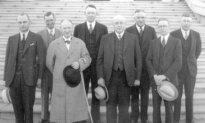
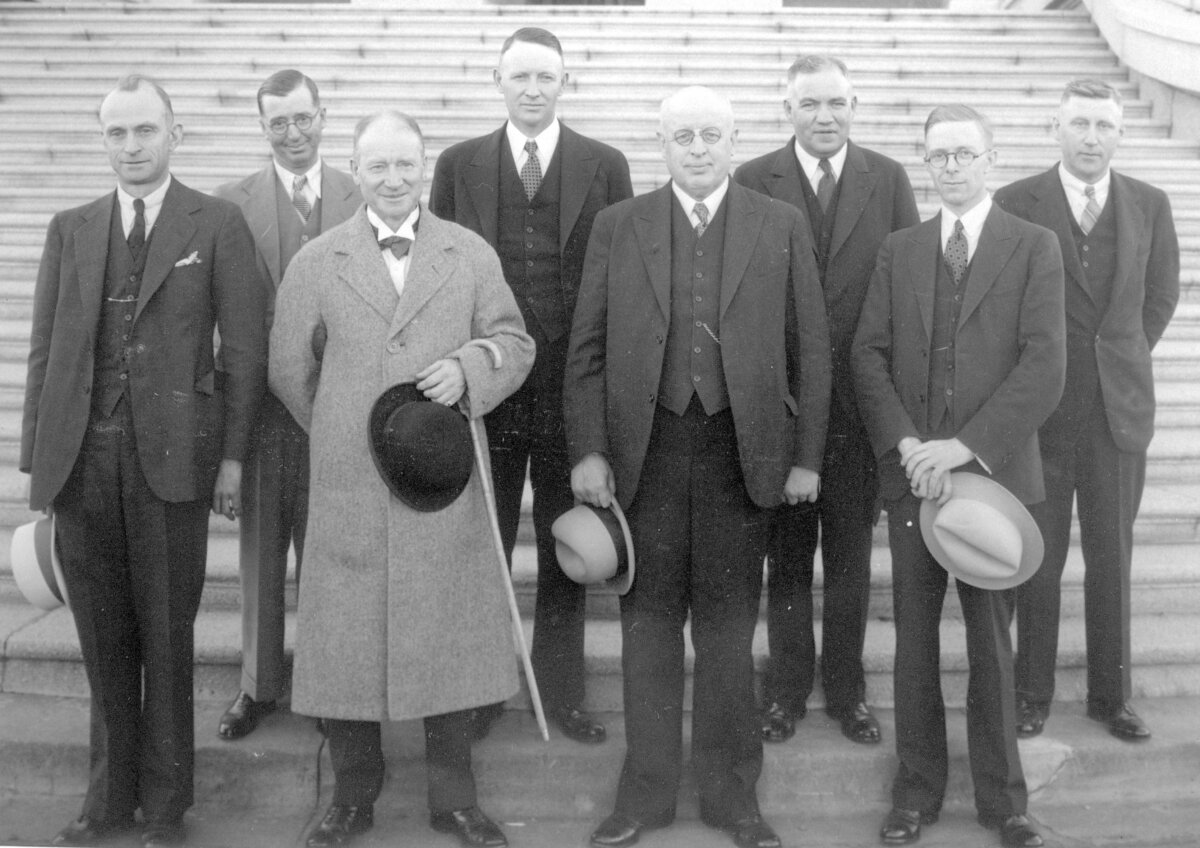
In 1930s Alberta, William Aberhart transformed his Bible Hour radio show into a political vessel. By reaching the households across the province through radio, he swept the Social Credit Party into power and created a dynasty that led the province for nearly 40 years. The United Farmers of Alberta (UFA), which had held power since 1921, underestimated the power of radio and lost every single seat it had in the legislature. Aberhart’s use of radio revolutionized Alberta politics, but it also ushered in an extremely socially conservative government that embraced bizarre monetary policies.
President John F. Kennedy was made for television. Well-spoken and handsome, with a beautiful wife, he presented perfectly for the Democratic Party, which saw the power of optics along with the spoken word. Televised debates were new, and Richard Nixon performed poorly in them while Kennedy shone. In what was a tight presidential race in 1960, the television advantage gave Kennedy the edge he needed for a win.
Donald Trump used social media to bypass legacy media and reach voters directly. Trump’s short, often inflammatory, and always memorable quips in electoral campaigns are designed for the short-form communication that platforms like X and Instagram provide. Trump speaks in memes, and while it may infuriate traditional politicos, it is incredibly effective.
Legacy media is falling by the wayside, and polls are indicating a generational gap is forming.
A survey conducted by the CRTC found that Canadians over 65 were most likely to trust television news, while younger people use online sources. Television news sources tend to be progressive-leaning, and the shift in voter demographics has been striking.
Whereas conservatism was traditionally considered the domain of older folks while young people leaned to the left, that dynamic was turned on its head in the 2025 Canadian election. The seniors’ demographic embraced the Liberal “elbows up” campaign while younger voters moved to the Conservative Party.
In Alberta, where radical change may be in the works through a growing independence movement, younger people are providing the base of support. Legacy media commentators are viscerally opposing the separatist movement, but they can’t reach younger people who are ignoring their outlets.
Rather than adapting to and embracing the power of social media, the federal government is trying to control information through legislation such as Bill C-8. They may share the fate of Alberta’s UFA if they can’t learn to pivot.
Regimes around the world have become vulnerable to overthrow, whether democratically or by revolution, due to social media. That’s why one of the first things the Iranian government did in response to a budding revolution was to shut down local internet access as protests intensified across the country.
Modern leaders will emerge, and new orders will form, and they will do so by using AI and social media rather than traditional media. Younger voters are being reached through social media and now only need to be organized. But people must pay attention to ensure the sea-change that’s coming is a benevolent one. A dictator can arise as easily as a saint. The only thing we can be assured of is that change is inevitable, and social media is driving it.
Who will take the reins, and where will they take us?
Views expressed in this article are the opinions of the author and do not necessarily reflect the views of The Epoch Times.
 Friends Read Free
Copy
Facebook
Tweet
Friends Read Free
Copy
Facebook
Tweet