
Commentary
The Liberal government is running perilously low on money.
The spring economic update celebrated a deficit lower than had been projected but still contained a fiscal shortfall that can only be called massive. This likely inspired the government to pitch the notion of privatizing Canada’s airports for the second time in a year. Funds from the sale of airport infrastructure could be used to reduce government debt or to add to the planned sovereign wealth fund. Nearly 20 percent of the world’s airports are privately owned, and it comes with risks and benefits.
Currently, Canada’s major airports are federally owned, and 21 of them are operated by not-for-profit airport authorities. The annual revenue from leasing the airports is approximately $512 million. Privatizing the airports would lead to an end to that revenue, but could bring a much-needed injection of tens of billions of dollars into the government coffers.
Reliability in Canadian air travel took a dive during the COVID years and it still hasn’t recovered fully. Air Canada and WestJet currently average a 73 percent record for on-time flights. This puts them near the bottom of North American airlines. Cancellations are another issue with Air Canada, racking up 10,800 in 2024. Travellers are frustrated, and it makes Canada a less desirable destination for tourists. A 2022 study by the U.S.-based National Bureau of Economic Research found that private airports added gates and terminals, leading to fewer cancellations when compared to government-owned ones. Passengers per flight rise as does passenger traffic overall.
Privatizing airports doesn’t add an element of competition as privatization in other markets can. Cities in Canada won’t have multiple international airports that consumers could pick and choose from. Private owners would still be incentivized to improve the airport experience though, as they would want to increase the volume of air travellers in general.
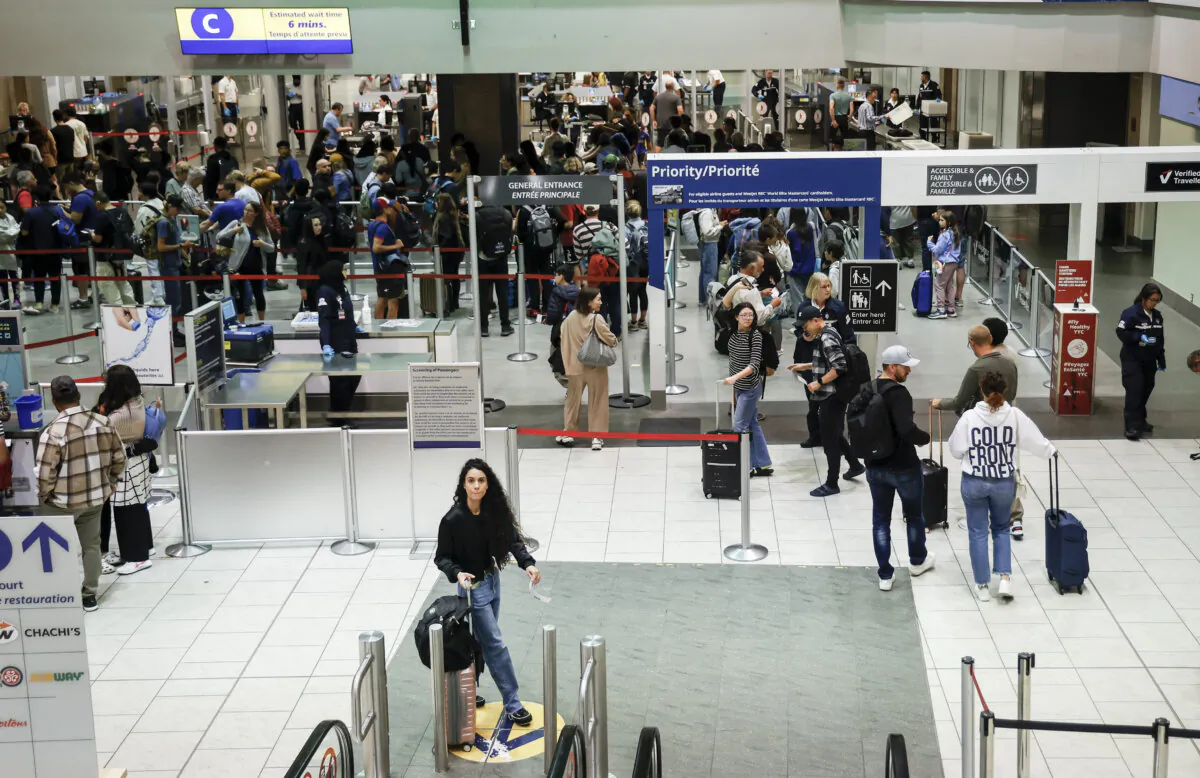
Bland, utilitarian airports have generally become a thing of the past. People expect and are drawn to airports with broad retail services and attractions, which make stopovers and flights less onerous. Private management with a profit motive will always have a better eye for revenue generation through retail, hotel, and parking services than non-profit management will. They will want to speed up security lines and add efficiency, if only to ensure passengers have more time to potentially spend money while in the terminal.
Many airports are aging and need renovations and/or expansions. Private ownership can offer new capital streams for these upgrades without pressuring taxpayers. Good management could potentially reduce the costs of these projects as well.
On the downside, the privatization of airports could lead to higher costs for both airlines and passengers. A private owner eager to recoup the investment costs may try to do so by raising landing fees for airlines or raising lease prices for existing retail outlets. If the new operator of an airport is focused on a quick return on investment rather than a longer-term plan, they could be tempted to defer maintenance and expansions to direct more dividends to shareholders.
Another concern is maintaining regional services in a country as sparsely populated and regionally massive as Canada. Smaller, isolated communities rely on regular air service but may not have enough demand to warrant services from private airports. The airports would either have to be regulated and forced to provide gates and services for the regions, or the flights could be subsidized. Overregulation and subsidization could undo many of the benefits offered by privatization if done to excess.
There are international models to be followed for privatization. Margaret Thatcher privatized major airports in the UK in 1987. It was a controversial move that had some hurdles in its evolution, but it has led to an efficient system with operators garnering solid revenue. Australia privatized airports in the 1990s and 2000s, leading to revenue growth for the airports and infrastructure upgrades. Canada could emulate these models and avoid the pitfalls that early adopters of privatization encountered.
The balance between allowing capitalism to take the wheel at airports and maintaining regulation would be tough. Airports aren’t like any other type of business. The services provided are considered essential to many citizens and businesses. Disruptions and inefficiency in air travel can have serious economic and social consequences. Not to mention the public safety element. Is the Canadian government up to the challenge of doing this right?
The government should be supported in getting out of the airport business. It can lead to benefits for air travellers and taxpayers in general. Perhaps it could even inspire the government to begin considering other markets to extricate itself from, so it can focus better on core services.
Views expressed in this article are the opinions of the author and do not necessarily reflect the views of The Epoch Times.
 Friends Read Free
Copy
Facebook
Tweet
Friends Read Free
Copy
Facebook
Tweet