
Commentary
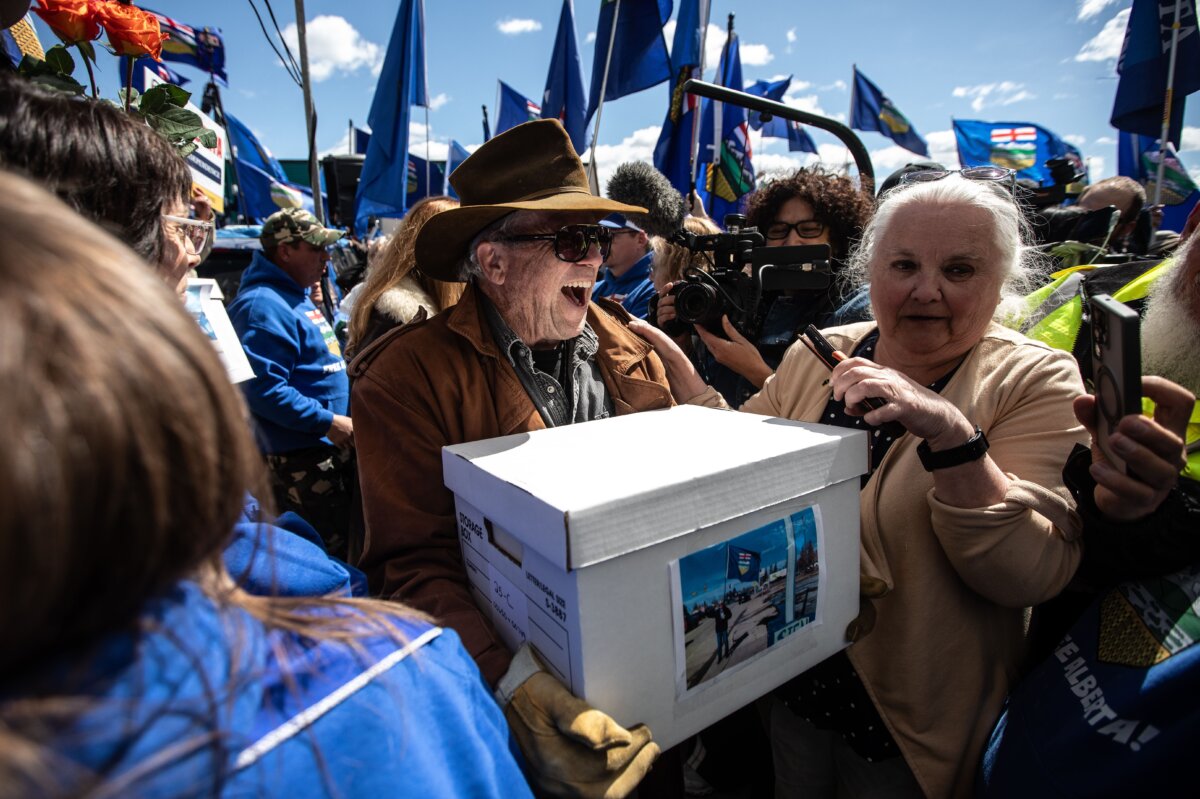
Alberta’s growing independence movement has been focused for months on fulfilling the requirements set out in the province’s Citizens’ Initiative Act to trigger an independence referendum. A May 13 court ruling quashing Elections Alberta’s approval of Stay Free Alberta’s 301,000-signature petition has put Premier Danielle Smith in a difficult position. Smith has maintained a balance by stating that she supports what she calls a “sovereign Alberta within a united Canada” while also respecting the right of independence advocates to pursue a citizens’ initiative referendum. Now she is forced to take a more definitive stance.
Premier Smith called the ruling by the Alberta Court of King’s Bench “anti-democratic” and has vowed to appeal the decision. An appeal could take months, though, and the anticipated date for a referendum, if it is to be held, is less than six months away. The campaign period for a referendum would be stunted even if a court of appeal reverses Justice Shaina Leonard’s decision before the fall. Smith can’t politically afford to have the question of holding a referendum in limbo that long.
Smith could try to claim that the courts have proven a referendum on independence to be out of reach and push harder on autonomy reforms, such as a provincial pension scheme and stronger control over other areas of provincial jurisdiction. But this approach would infuriate the thousands of volunteers who spent the winter collecting over 300,000 signatures to initiate an independence referendum. That could come with dire consequences for the premier from within her own party.
Polling has indicated that support for independence is at 57 percent among United Conservative Party supporters, and it’s likely higher among party members. Jeff Rath, who is one of the prominent voices of the independence movement, has called for independence supporters to purchase memberships in the party to force a special general meeting on the issue. His intention presumably is to force an independence referendum onto the agenda for the UCP and possibly initiate a leadership review of Danielle Smith. This is the path that was taken in 2022 when Jason Kenney was pushed from the party leadership by the members in a review.
In Alberta, premiers are rarely taken down by the electorate. The party members take them down. A low level of member support in a leadership review prompted Ralph Klein to step down in 2006. Ed Stelmach, Alison Redford, and Jason Kenney all became casualties of upset party members in the years to follow. Danielle Smith is keenly aware of the threat to her leadership from within.
In quashing the petition to invoke a referendum, Justice Leonard was careful not to rule against the ability of a province to hold an independence referendum. She only blocked the ability of citizens to initiate one. To say that an independence referendum could not be held at all would conflict with the Supreme Court reference case that built the foundation for the Clarity Act. More importantly, it would be telling Quebec they aren’t allowed to hold future referendums, and no federal judge wants to step into that mire.
As Alberta’s premier, Smith holds the sole authority to call an independence referendum, and that’s the most likely course of action she will be taking. A date has already been set for Oct. 19 to hold a referendum on several questions put on the ballot by the government. She only needs to add the independence question. It would have the immediate effect of getting the independence advocates off her back as they would shift into campaign mode to promote a “Yes” vote rather than trying to take down the premier.
Scheduling a vote for an independence referendum would have political consequences for the premier outside of her party base, though. NDP leader Naheed Nenshi has already been calling Smith a separatist for indulging the petitioning process. He and other opponents will surely double down on this approach if the premier schedules a referendum. It could have an impact on Smith’s electoral support, as while the majority of her party members may be in favour of independence, polling indicates that the majority of electors at large oppose it.
Having a petitioning process in place to initiate referendums on items such as secession gave the premier a degree of insulation from the thorny issues. She could claim she supports democracy while not necessarily supporting the intent of the initiative. She can still make the same claim if she initiates a referendum on independence directly, but it will be weaker.
While many uncertainties remain, what is clear is that Premier Smith faces a much tougher political situation than before the court’s ruling.
Views expressed in this article are the opinions of the author and do not necessarily reflect the views of The Epoch Times.
 Friends Read Free
Copy
Facebook
Tweet
Friends Read Free
Copy
Facebook
Tweet