
Commentary
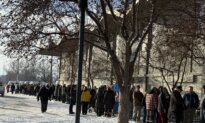
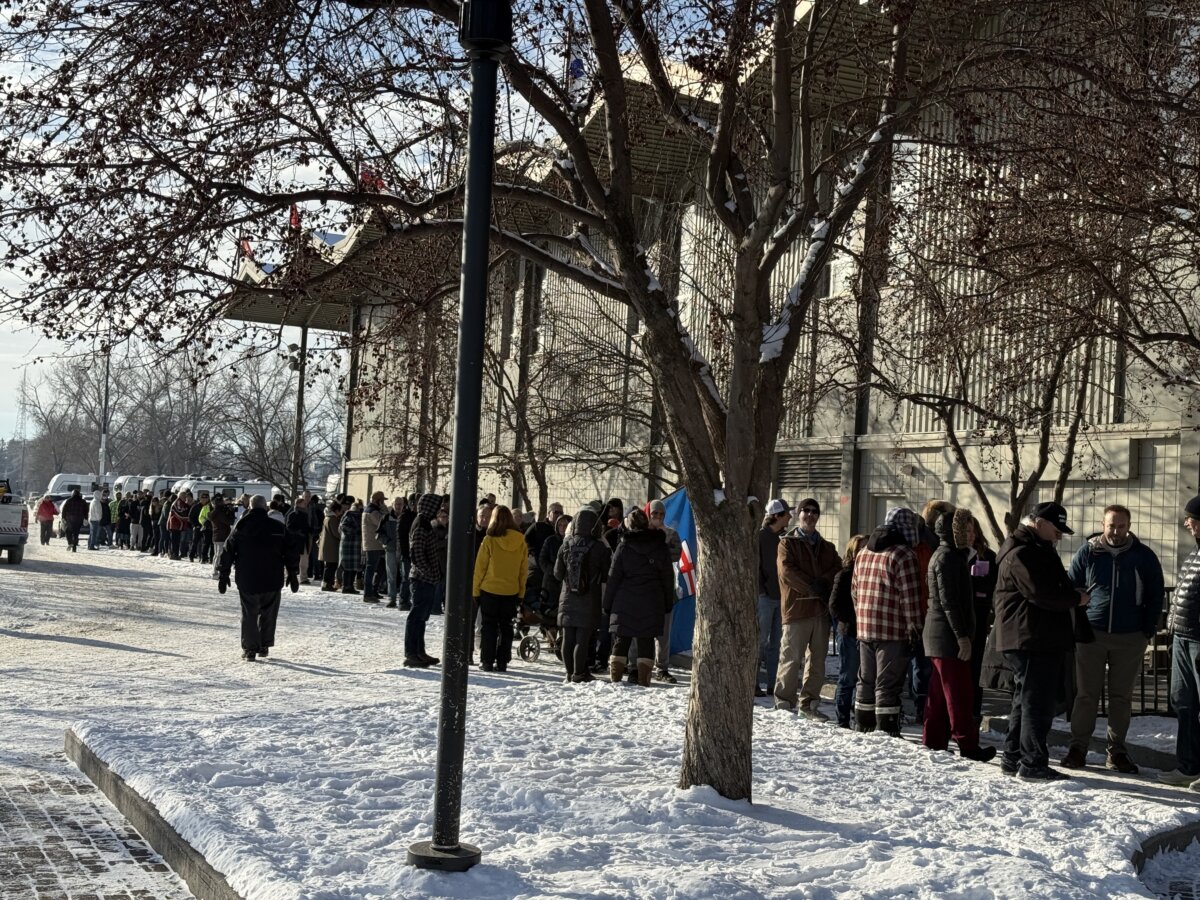
The number of people lining up to support Alberta independence has reached a level that can’t be ignored, regardless of where people stand on the issue. Politicians and pundits have stopped ignoring the movement, but their reactions have been feeding separatist sentiment rather than defusing it. It’s almost certain that an independence referendum will be held in the fall of 2026. Opponents to Alberta independence must temper their reactions to the movement and embrace some political nuance if they want to see the “yes” side of the independence referendum defeated.
Many people don’t understand that Albertans see this issue as their own to debate. Think of it as a household squabble over a major decision. If a neighbour pokes their head in through the window and tells the family which side to take in the squabble, the probable result will be to unify the family in opposition to the presumptuous neighbour and slam the window closed. Alberta separation would impact the entire country, and every Canadian has a right to express an opinion on it. They must express that opinion carefully, though, as the mood among Albertans is less-than-receptive to having Central Canadians telling them what they can or can’t do right now.
To begin with, people must quit telling Alberta it isn’t allowed to leave. One column stated, “There is no legal or moral basis for secession. There is also no practical possibility of it.” That statement is simply untrue. The Clarity Act was affirmed by the Supreme Court of Canada, and it lays out the process for a province to leave the federation through a referendum vote. The process isn’t an easy one, but it is legal and possible.
When Albertans are told by outsiders that they can’t have a vote on the matter, the response by many becomes “Just watch us!” The case can be made for Albertans to vote against independence, but it is wrong to claim they don’t have the right to secede. The morality of the pursuit of independence is a subjective thing, but to imply that independence supporters are immoral won’t dissuade them from their path.
B.C. Premier David Eby went a step further and accused independence organizers of treason for having gone to the United States to meet with officials. Treason is a serious crime, and the accusation of it must not be applied to people lightly. University of Alberta Professor Andrew Leach is no supporter of separatism, but he pointed out that no treason has been committed. Albertans may see the meetings with the Americans as misguided and perhaps in poor taste, but they won’t tolerate having their fellow citizens accused of high crimes for doing so.
When Quebec held an independence referendum in the 1990s, it sent envoys to France to seek support for its movement. Canadian politicians didn’t dare accuse them of treason. The double standard is one of the things upsetting Albertans.
Ontario Premier Doug Ford took to the microphone at a First Ministers’ meeting to demand that Alberta Premier Danielle Smith “stand up” and denounce those who are seeking to hold an independence referendum. Albertans may have mixed views on Smith, but they aren’t willing to put up with watching the premier of Ontario pushing her around. It just entrenches the sentiment that Alberta isn’t respected by Central Canada or its political leadership.
Premier Smith responded by saying she will not “demonize or marginalize” over a million Albertans who are supporting independence. Smith is in a tough spot, with polls indicating over 30 percent of Albertans are considering independence. Alienating that group could cost her an election, but pandering to it could do the same, since most Albertans still don’t support independence. A referendum depressurizes the issue and takes it from the premier’s hands. She has always publicly stated she supports Alberta staying within a united Canada.
Prime Minister Mark Carney responded most productively to the issue. He opened the First Ministers’ meeting by framing national unity as being central to Canada’s interests. He expressed concern about the issue, without attacking a region or proponents of independence. He understands that Albertans expect to be treated with respect on the matter, though he obviously doesn’t support the province’s departure from the federation. Carney has the policy authority to make changes that could defuse separatist sentiment.
Don’t tell Albertans they can’t leave. They can.
Don’t accuse them of treason. It isn’t.
If Albertans have their concerns taken seriously by the rest of Canada and the responses come respectfully, the independence movement may stop growing and fizzle out.
If the reaction to the independence movement continues to be insulting and vitriolic, support for Alberta independence will continue to grow.
Views expressed in this article are the opinions of the author and do not necessarily reflect the views of The Epoch Times.
 Friends Read Free
Copy
Facebook
Tweet
Friends Read Free
Copy
Facebook
Tweet