Commentary
One of the most destructive misconceptions of our time is that addiction is a condition that can be maintained with proper management. We were told that fatal overdoses were caused by impure drug supplies rather than the drug itself. It was asserted that homelessness caused addiction rather than the other way around.
These counterintuitive fallacies were embraced by government authorities, and policies were created based upon them. The results of these policies were catastrophic, and we saw them most acutely in B.C.
Addiction is a disease, and it’s a progressive one. As addicts consume, their tolerance for their drug of choice rises, as does their compulsion to remain high. They are aware that their addiction is destroying their minds and bodies, yet they can’t bring themselves to stop indulging. As they spiral downward, they begin to live for their addiction. They lose their jobs, their homes, their self-control, and often their lives if they don’t find treatment.
In 2016, the addiction epidemic in B.C. hit crisis levels and a public health emergency was declared. Instead of facing the reality of the situation, though, it was referred to as a problem with “unregulated drug toxicity deaths.” This began the enablement phase of B.C.’s catastrophic addiction policies.
The government initiated “harm reduction” strategies, which included prescribing opioids and other alternative drugs to addicts under the presumption that these “clean” drugs would be safer. This approach was an unmitigated disaster as addicts traded their prescribed drugs with street dealers for more powerful drugs. The street dealers, in turn, resold the prescription drugs and created more addicts. Meanwhile, fatal overdose numbers continued to rise.
Undeterred by the growing death count, enablement-obsessed activists lobbied the federal government to decriminalize hard drugs. In 2023, the Trudeau Liberals granted the request, and it became legal to possess heroin, fentanyl, meth, and cocaine for personal use. Under the new policies of permissiveness, addictions exploded along with deaths. By May 2024, the program was curtailed by Health Canada, and in January 2026, B.C. Premier David Eby stated, “It didn’t work, and we ended that.”
The failed decriminalization experiment cost untold lives.
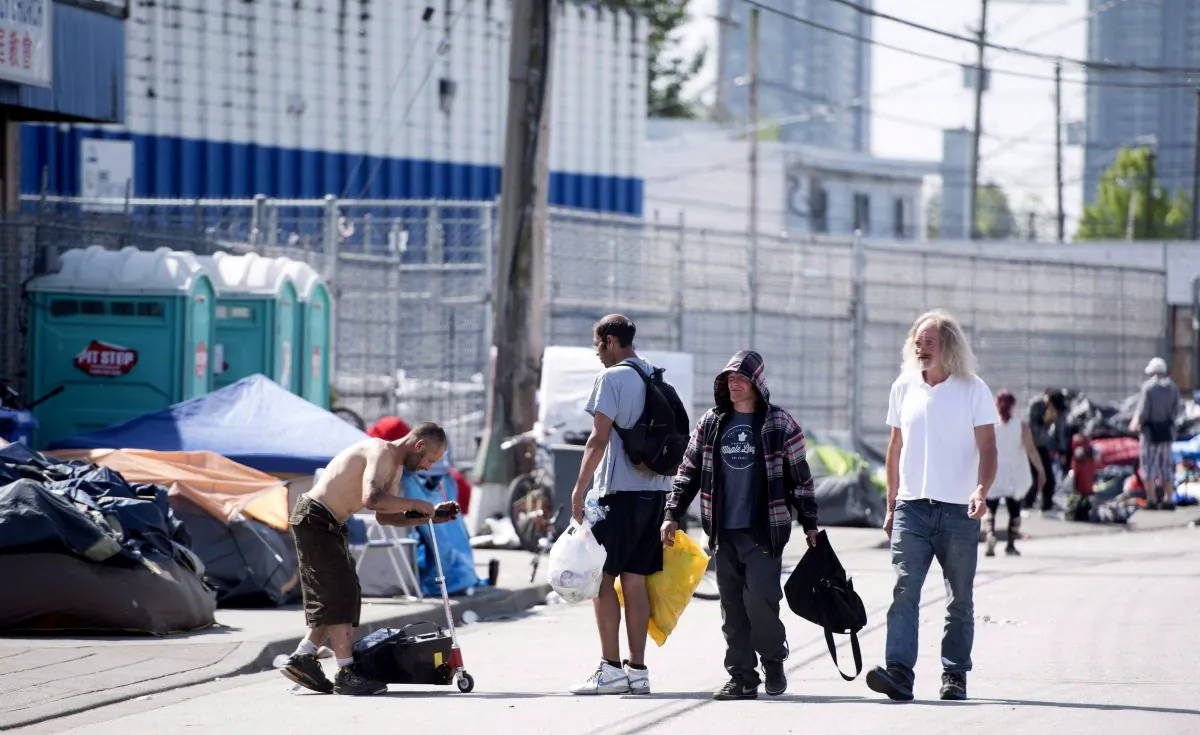
B.C.’s “housing first” approach to the issue has been no less of a failure than the provision of drugs to addicts was. It operated under the presumption that homelessness was the cause rather than the result of addiction. If addicts could just get into a stable home environment for a while, they would wind down and eventually seek treatment. While it’s true that treatment and recovery are nearly impossible to accomplish when a person lives in a tent encampment, it doesn’t mean the people living in homeless encampments are in any condition to live in normal housing.
The starkest example of the failure of the “housing first” approach was the conversion of nine hotels into single room occupancy (SRO) units, where addicts were housed with no questions asked and drug consumption was facilitated. The results were unsurprisingly terrible. Fires, flooding, hoarding, overdoses, and general disorder became hallmarks of the buildings, and a Howard Johnson hotel in downtown Vancouver was condemned and is scheduled to close in June after just six years in operation.
Homeless shelters have been in existence for over a century, and they refuse to allow drug consumption or inebriated people within them. It wasn’t because the shelter operators were dispassionate about the fate of addicts, but because they had learned from experience that drug or alcohol use couldn’t be safely contained in a standard shelter. Apparently, the advocates of “housing first” didn’t take the time to ask the real experts in the field of homelessness what may or may not work.
Homeless encampments are predominantly populated by people with addictions and/or mental health issues. They aren’t folks who fell through the cracks due to unrestrained capitalism or lack of affordable housing. Even if rent was $50 per month, a late-stage addict will buy drugs rather than pay rent. If we are to have any hope of tackling the problem, we must face its realities.
Treatment for addicts has limited success, and it’s expensive. It’s still the best course of action we have, though. Addicts must be treated in secure facilities where they can be prevented from harming themselves or others further. Resources must be directed to constructing and staffing as many of these kinds of centres as possible. Over $221 million was spent to create B.C.’s failed SROs, which could have been directed to treatment facilities.
It’s said that an addict must reach bottom before they are ready to embrace recovery. Hopefully, the enablement aficionados have hit ideological bottom and are ready to embrace the realities most people already understand. Giving addicts more drugs won’t cure addiction, and putting addicted, mentally unwell people into hotel rooms won’t solve homelessness.
The social experiment of addiction enablement has failed, and the cost has been high. Hopefully, governments will now seek result-based solutions rather than fuzzy, ideologically based ones.
Views expressed in this article are the opinions of the author and do not necessarily reflect the views of The Epoch Times.
 Friends Read Free
Copy
Facebook
Tweet
Friends Read Free
Copy
Facebook
Tweet