Commentary
“What happens when the war doesn’t end, it just moves inside your head?”
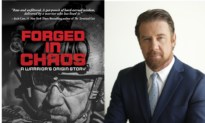
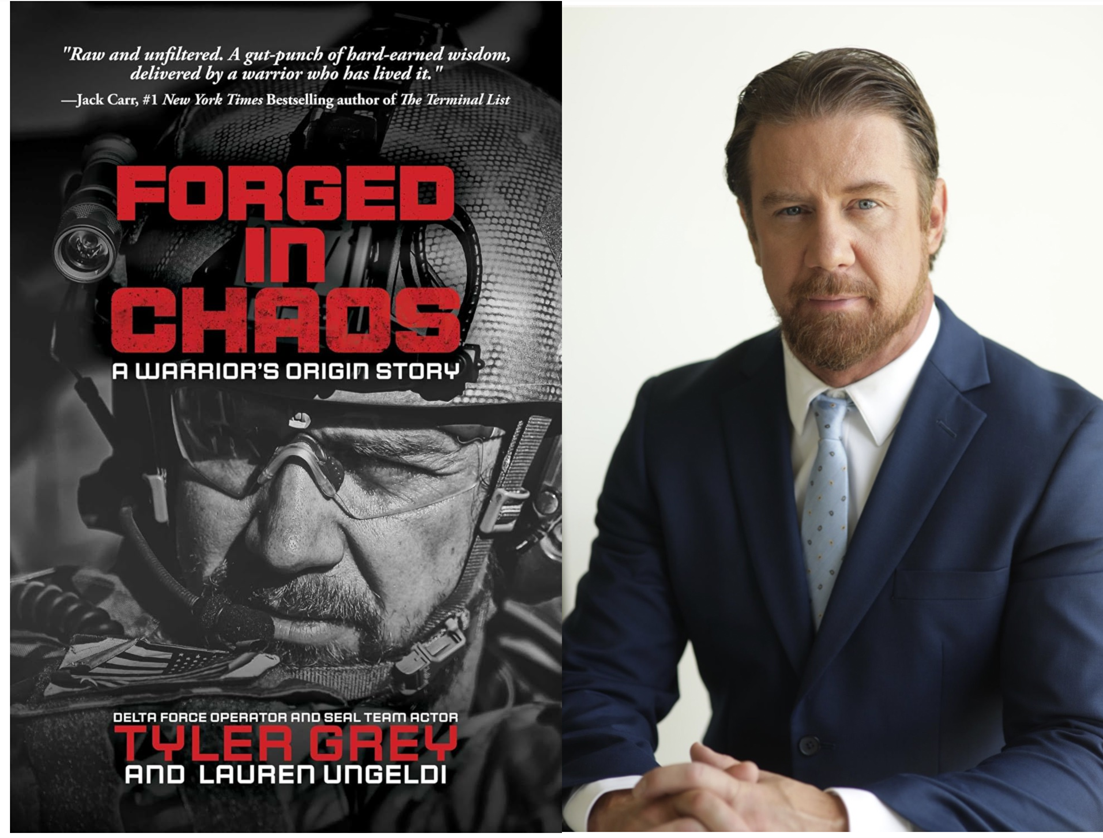
This haunting question, posed by Tyler Grey in “Forged in Chaos: A Warrior’s Origin Story,” captures the central thesis of his memoir: The battlefield may go silent, but for many warriors, the real fight begins when the shooting stops.
Grey, a former Delta Force operator and Army Ranger, invites readers into the psychological crucible that follows elite service. His memoir delivers a raw and unflinching account of life at the tip of the U.S. military spear—and the even harder battle that comes afterward.
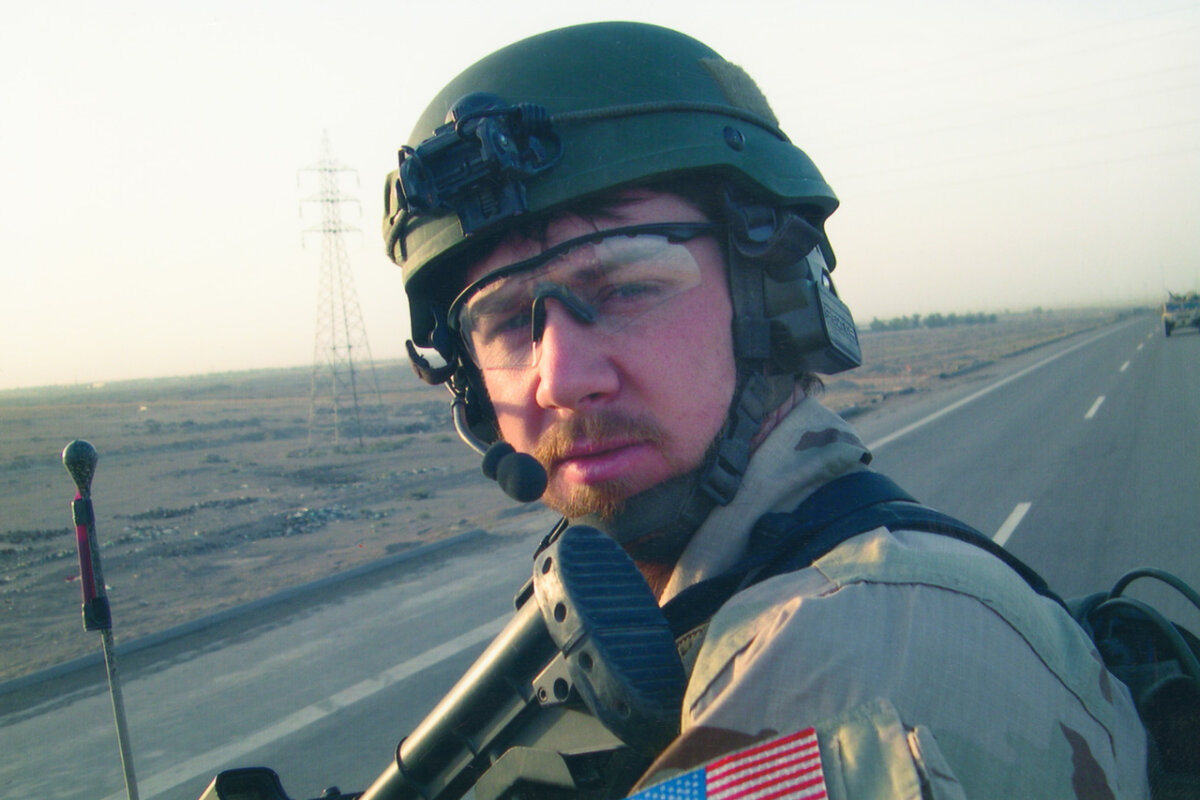
His story goes far beyond battlefield heroics. After a devastating injury during a nighttime raid in Sadr City, a suburb of Baghdad, Grey faced years of painful recovery and the psychological toll of losing the identity that had defined him. Rather than retreat into silence, he leaned into storytelling, crafting a narrative that not only exposes the hidden costs of elite military service, but also redefines how we understand trauma, healing, and postwar purpose.
Chaos Addiction
What sets this memoir apart is Grey’s groundbreaking concept of “chaos addiction,” the idea that warriors can become psychologically dependent on the intensity of combat. They unconsciously seek out destruction in civilian life to fill the void.
Through his experience, Grey introduces the Lack of Traumatic Stress Disorder (LTSD) framework. He challenges conventional diagnoses of post-traumatic stress disorder (PTSD) and offers a deeply personal, yet universally resonant, road map for healing.
Many know Grey for his role on CBS’s “SEAL Team.” His real-life transformation, from elite operator to wounded veteran to actor, director, and mental health advocate, cements “Forged in Chaos” as a vital and courageous contribution to the literature of war and recovery.
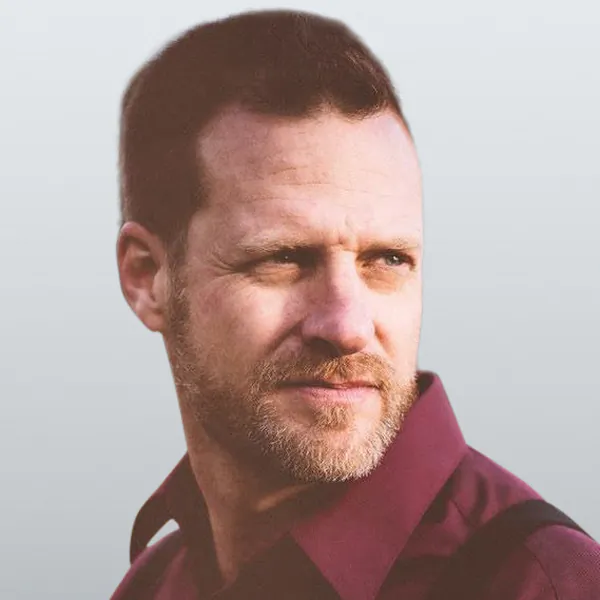
I spoke with my friend and colleague Boone Cutler about Grey’s thesis regarding PTSD, the “hunger for chaos,” and the LTSD theory. Cutler agreed, telling me on the phone: “Familiarity is comfort. You become comfortable with your team, and facing the chaos together feels safe. You come to embrace the chaos.”
A Soldier’s Struggles
Cutler served in the U.S. Army as a staff sergeant (PSYOP team sergeant) in Sadr City, Iraq, where he conducted daily psychological operations in one of the most intense combat zones of the war. After sustaining traumatic brain and orthopedic injuries, he spent two years recovering at Walter Reed Army Medical Center.
Today, Cutler is a leading advocate for warfighter rights. Cutler founded Spartan Sword, a grassroots, volunteer-led movement that entrusts veterans and first responders with a sword forged from steel salvaged from the 9/11 tragedy. The sword is passed from one warrior to the next—a symbolic emblem of “rebirth from the ashes.”
Those in the Spartan Sword movement also recite the Spartan Pledge, a vow Cutler wrote that encourages veterans to promise that they will reach out to a battle buddy before considering suicide. The movement underscores a powerful truth: Survival after war demands more than physical healing—it requires purpose, identity, and the strength found in brotherhood.
A noted military author, Cutler shared with me a 2010 reflection, “Evolved and Unbroken,” that offers third-party validation of the transformation Grey explores in “Forged in Chaos.” In combat, Cutler writes, survival demands rapid evolution. A warfighter become someone entirely new, forged in the pressure of life-and-death decisions.
“Even at our most busted, we are stronger than you can ever imagine,” Cutler writes.
This sentiment echoes throughout Grey’s memoir, in which he chronicles not only the physical toll of a career-ending injury, but also the deeper identity shift that follows a life spent on the edge of chaos.
Grey, like Cutler, doesn’t seek to return to who he was before war—he knows that that version of himself no longer exists. Instead, “Forged in Chaos” embraces the truth that change is not a weakness, but a mark of survival.
As Cutler put it: “To change for the better in order to survive is to evolve. Failure is often because of a failure to adapt. Everything that evolves changes to survive and we’ve evolved from the people we were born as into the people we’ve needed to be.”
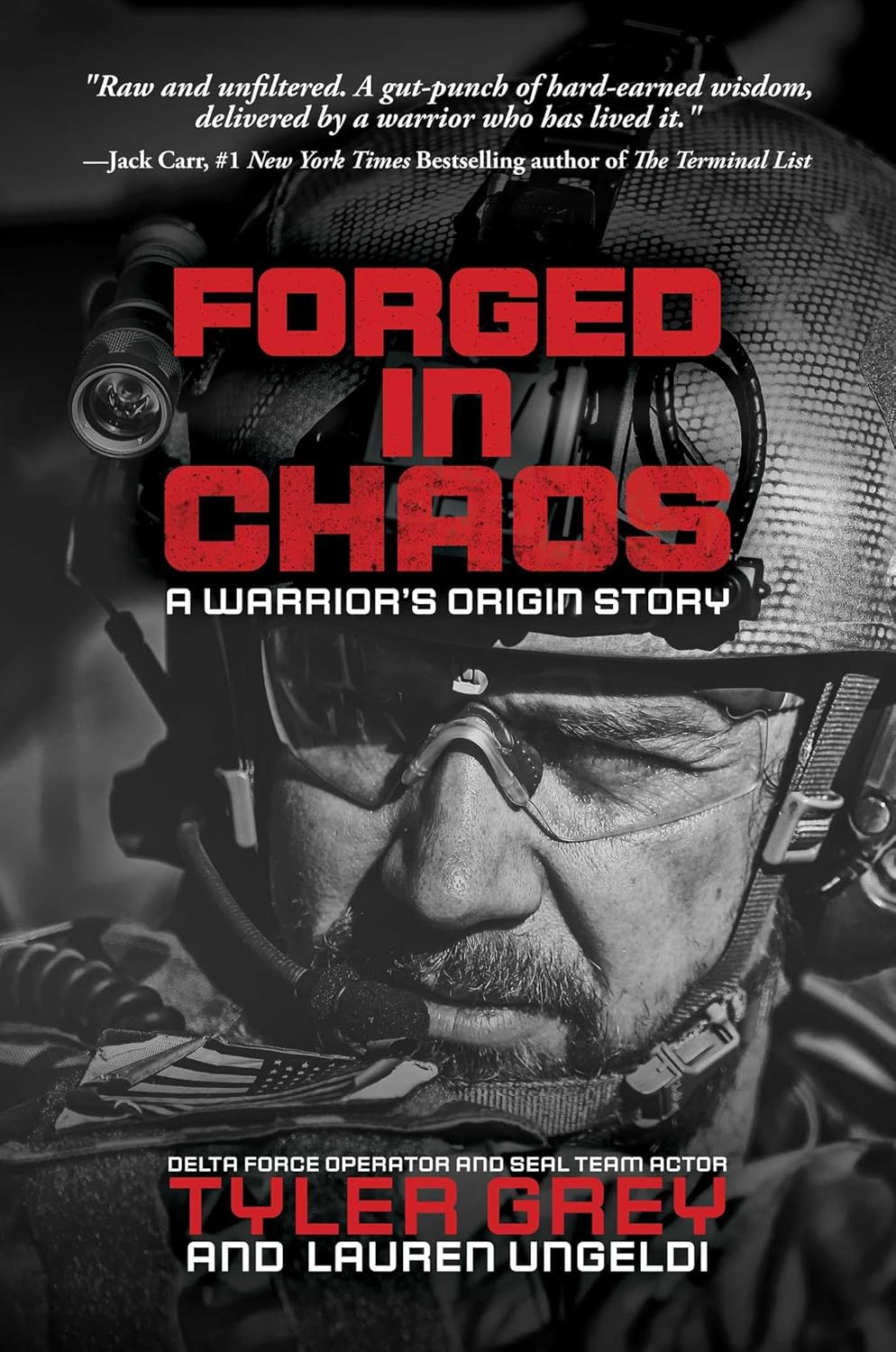
Grey gives voice to the same truths Cutler described: the challenge of living in a world that doesn’t speak the language of combat and the deep resilience required to keep going anyway. He does not ask for pity or fixing—only understanding. His story is a testament to what happens when the war ends, but the warrior remains.
Grey’s “Forged in Chaos” is an important and welcome addition to the canon of warfighter literature by a leading advocate for veterans’ mental health who specializes in PTSD and traumatic brain injury. The insights he shares from his own evolution from elite warrior to wounded veteran, his penetrating commentary on “chaos addiction,” and his pioneering LTSD theory offer a path to redemption rather than a spiral into dark despair.
Just as the Spartan Sword movement redefines veteran strength and breaks stigma, Grey reframes trauma as a forge for new identity. Grey insists that the modern warrior—not broken but evolved—must be understood and accepted on his own terms.
Ultimately, “Forged in Chaos” underscores a vital truth: Healing isn’t meant to return you to who you were; it’s meant to help you stand tall as who you’ve become.
What arts and culture topics would you like us to cover? Please email ideas or feedback to features@epochtimes.nyc.
Views expressed in this article are the opinions of the author and do not necessarily reflect the views of The Epoch Times.
 Friends Read Free
Copy
Facebook
Tweet
Friends Read Free
Copy
Facebook
Tweet