
Commentary
The arrival of modern varieties of processed food is, in my view, as important an event in the history of human diets as the Agricultural Revolution in the Near East, which began about 10,000 years ago. The Agricultural Revolution saw human populations move from roving hunter-gatherer lifestyles to sedentarism and diets based around the consumption of domesticated grains and the products of a few different livestock species.
Certainly, the creation and widespread adoption of modern processed foods has been its own kind of revolution, in the sense that it has transformed human health and our societies in ways that simply could not have been predicted.
Well, actually, that isn’t completely true. There were early signs and they were bad. They suggested that if we continued down the road of ever-greater processing of food, our health could only get worse. We simply weren’t paying attention.
As pioneering dentist-cum-anthropologist Weston Price showed in the 1930s, the introduction of the earliest forms of modern processed food, like refined-wheat products, sugar syrups and canned goods, left a trail of destruction in its wake. He called it “physical degeneration.”
Price saw physical degeneration in his patients in Cleveland, Ohio and especially the children: Their mouths were full of cavities, their dental arches weren’t forming properly, their cheeks and nostrils were narrow and they were suffering breathing problems; they were prey to diseases and behavioral conditions that had been largely unknown even a decade before.
Traveling the world with his wife, Price found that wherever small-scale societies still cleaved to traditional diets made up of whole foods and especially nutrient-dense animal foods like organ meat, dairy and seafood, they continued to enjoy what he called “perfect health.” It didn’t matter if the people were crofters in the Highlands of Scotland or pearl-divers on the islands of the South Pacific, if they ate as their ancestors ate, they were robust, well-grown, happy, resistant to disease—beautiful. But where these new industrial foods, produced in factories, were making inroads and displacing traditional diets, physical degeneration followed: the same ugly symptoms that marred Price’s patients back home in Cleveland.
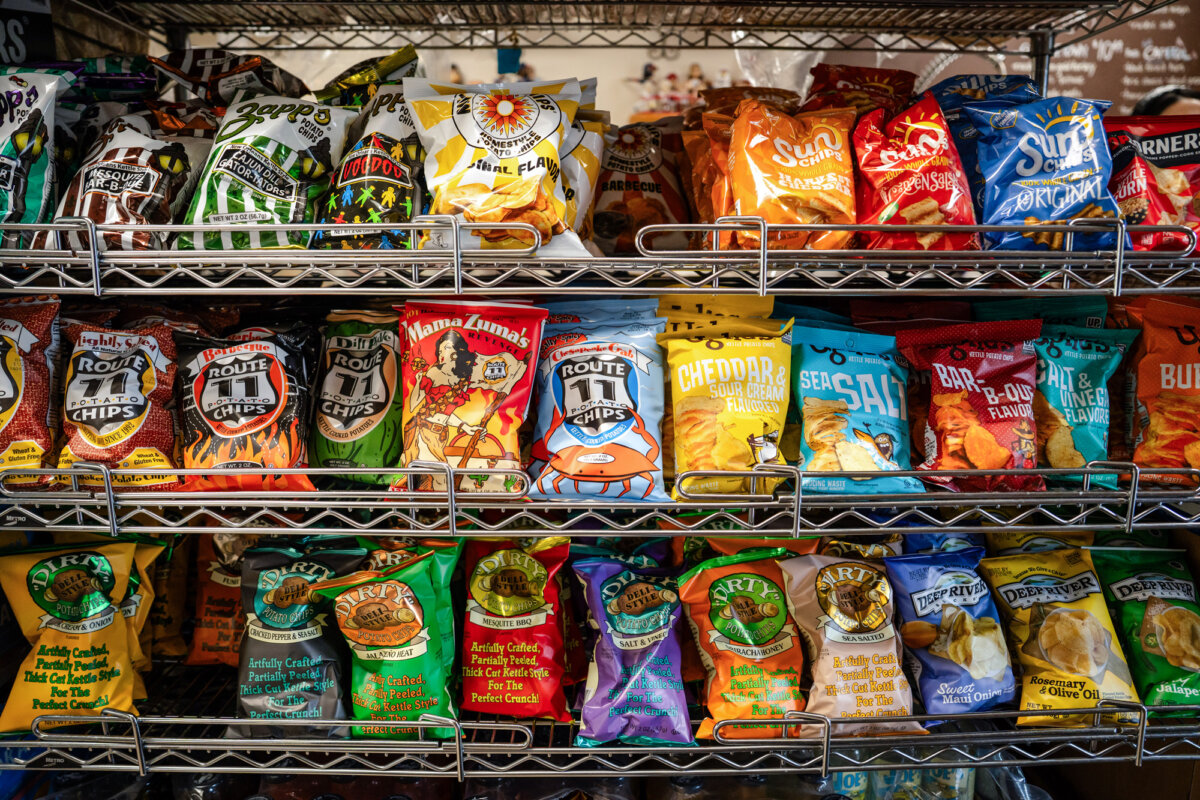
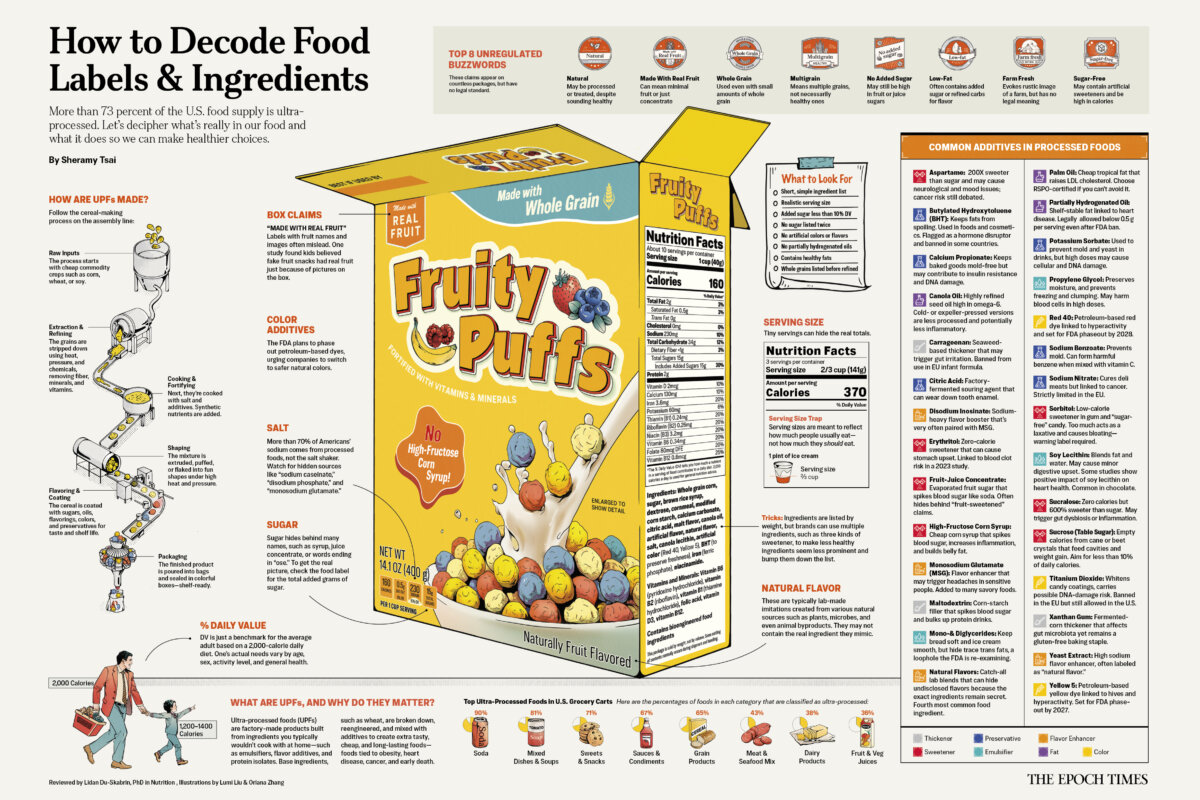
Price, as I say, was investigating the effects of the earliest generation of modern processed foods. In the century that followed, processed food has changed and evolved—“mutated,” you might even say—becoming what researchers and food scientists now call “ultra-processed food.” New techniques, new technologies, new additives, new ingredients, new forms of packaging and new methods of advertising have been used to create foods that bear even less resemblance to the whole and minimally processed foods our ancestors ate for the longest span of time.
Some food scientists have proposed, quite seriously, that ultra-processed food shouldn’t be classified as food at all. In reality, it’s not food but a “food-like substance,” meaning it meets certain criteria associated with food as a category—providing energy, for example—without providing the deeper kind of sustenance we call “nutrition.”
The transition from processed to ultra-processed food has led to unprecedented levels of chronic disease throughout the developed world, from obesity and diabetes to cancer and neurobehavioral conditions like autism and ADHD.
Through scientific research, we’re also beginning to understand that there are more subtle physical changes associated with consumption of these novel foods. Changes to the structure of the brain, in particular, may make it difficult, perhaps even impossible, for us to stop craving and eating ultra-processed foods once we’re hooked on them.
A new study offers insight into how our brains may be changing but also, crucially, when and why. The study, published in the journal Addiction, looked at the eating habits of over 2,000 U.S. adults aged 50-80 and, in particular, whether they met the criteria for food addiction.
In this age-group overall, the researchers found the rate of food addiction to be 12.4 percent higher than the rates for alcohol and tobacco addiction.
More importantly, they found that the rate of food addiction was significantly higher among adults in the sample who were children or teenagers in the 1980s, a critical period in the transition to ultra-processed food as we know it today. Adults who had already come of age during this period displayed lower rates of food addiction.
Women in their 50s and 60s, in particular, showed the highest rates of food addiction—21 percent—meaning just over one in five was dealing with compulsive eating behavior.
The researchers write: “Individuals who are now older adults were in developmentally sensitive stages during the 1970s and 1980s, precisely when tobacco-owned food manufacturers were shaping the market with addictive ultra-processed foods.”
Recent studies, publicized in The Washington Post and other news outlets, have shown how tobacco companies moved into processed food in the 1980s, creating new more addictive products and deploying sophisticated marketing to capture new consumers, especially children.
One study showed that foods produced by tobacco-owned brands were 29 percent more likely to be high in fat and sodium and 80 percent more likely to be high in carbohydrates and sodium than brands that weren’t owned by tobacco brands.
Tobacco companies leveraged all the tricks and tactics they’d learned, like “brand stretching” and targeted marketing, especially marketing directed at children—cartoon-character mascots, vibrant colors and catchy TV and radio jingles—to do exactly what they did with their cigarettes: create lifelong customers who simply couldn’t stop buying their products.
Although many tobacco brands divested from food brands by the early 2000s, the playbook has remained the same, and their legacy has been to cement the place of ultra-processed foods in American diets. Children in the United States now derive on average about 62 percent of their daily calories from ultra-processed foods.
Secretary of Health and Human Services Robert F. Kennedy Jr. has rightly made ultra-processed foods one of the central targets of his “Make America Healthy Again” agenda. This new study, and other studies like it, suggest clear approaches to the problem.
First, ultra-processed food is addictive and overconsumption is, in many cases, an addiction disorder. This makes it less a problem of choice and will power, and more a problem of exposure and conditioning. This, in turn, raises a number of questions, not least of all whether ultra-processed foods should be subject to the same kinds of regulation as other additive substances, and whether strategies to reduce consumption that focus solely on individual willpower are likely, perhaps in the majority of cases, to fail.
Second, one of the main goals must be to prevent people getting hooked on ultra-processed foods in the first place. And that means, most of all, preventing children and teenagers from getting hooked on them, because it’s during those years habits are formed that could, ultimately, last a lifetime.
Views expressed in this article are the opinions of the author and do not necessarily reflect the views of The Epoch Times.
 Friends Read Free
Copy
Facebook
Tweet
Friends Read Free
Copy
Facebook
Tweet